
The tea ceremony,often perceived as a highly ritualized way of serving tea, is in fact a profound cultural practice that embodies philosophy, aesthetics, and social harmony. For many outside East Asia, it remains an enigmatic tradition, seen perhaps in fleeting scenes from films or travel brochures. At its core, however, it is a meditative performance, a choreographed interaction between host, guest, utensils, and environment, all centered on the simple act of preparing and sharing a bowl of tea. This culture moves far beyond the beverage itself, offering a window into values of respect, purity, tranquility, and a deep appreciation for the fleeting beauty of the present moment. Understanding its principles can enrich one’s perspective on mindfulness and interpersonal connection.
How does a traditional tea ceremony create a mindful experience?

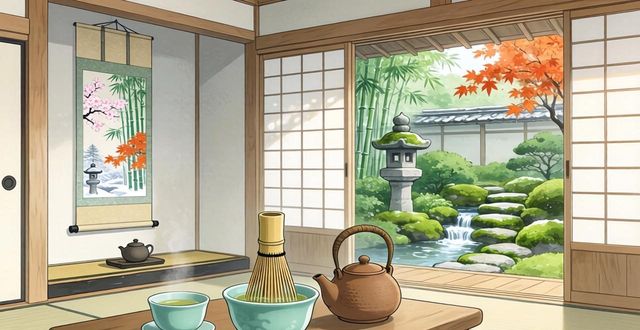
The environment is the first teacher of mindfulness. The ceremony often takes place in a space deliberately separated from the bustle of daily life—a simple, tranquil tearoom or a quiet garden alcove. Every element is chosen with intention. A scroll painting with a seasonal theme hangs in the alcove; a single flower arrangement rests beside it. These are not mere decorations but focal points for contemplation, inviting participants to quiet their minds and align with the natural world. The act of entering through a low door forces a literal bow, a physical gesture that symbolizes leaving one’s ego and worldly concerns outside.
The host’s movements are slow, precise, and utterly deliberate. From the rhythmic scooping of powdered tea to the graceful whisking of hot water, each motion is part of a silent dialogue. There is no rush. This deliberate pace compels both host and guest to slow down. For the guest, the experience becomes one of focused observation. Watching the careful preparation, listening to the sounds of water and bamboo, one’s attention is drawn completely into the “here and now.” The mind, often scattered, is gently gathered and anchored to the sensory details unfolding before it.
The sharing of the tea bowl is the culmination of this mindful practice. The guest receives the bowl with both hands, rotates it respectfully to avoid drinking from its front, and takes a sip. In that moment, the taste of the bitter, frothy matcha is secondary to the shared atmosphere of quiet appreciation. It is a moment of pure connection, free from the need for conversation. The ceremony teaches that mindfulness is not passive but an active, participatory state—a conscious appreciation of simplicity, effort, and presence.
What are the key elements needed for an authentic ceremony at home?
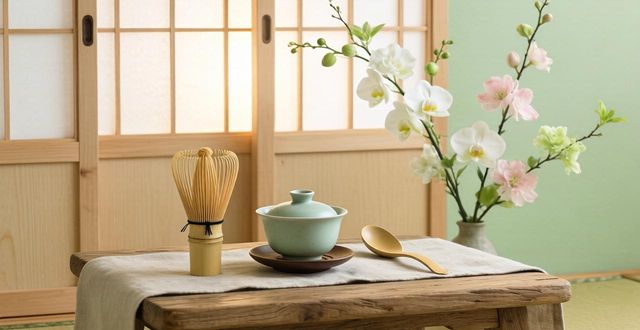
Authenticity lies less in expensive tools and more in embodying the spirit of the practice. You can cultivate this spirit at home without a full traditional setup. The essential element is intention. Designate a quiet corner, even temporarily. Clear away clutter. The goal is to create a clean, harmonious space that feels separate from your everyday chaos. This mental and physical preparation is the first and most crucial step. A simple flower in a vase or a view of a garden can serve as your focal point.
For utensils, a few key items will allow you to engage with the process. A chawan, or tea bowl, is central. Its uneven shape and rustic glaze are valued for their unique beauty. A bamboo whisk, or chasen, is used to mix the powdered tea and water into a smooth emulsion. A bamboo scoop, or chashaku, measures the tea. Finally, you need high-quality ceremonial-grade matcha. While specialized kettles and water jars exist, you can begin with a simple kettle to heat water to the correct temperature—not boiling, but around 80°C (175°F). The act of carefully measuring, sifting, and whisking with these dedicated tools transforms preparation into a respectful ritual.
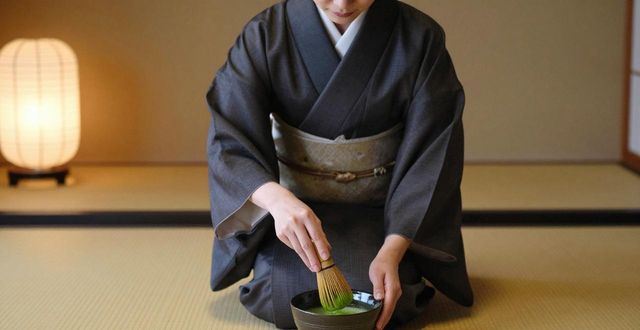
The sequence of actions gives the ceremony its structure. Warm the bowl with hot water. Dry it meticulously. Sift the vibrant green matcha powder into it to prevent clumps. Add hot water. Then, using the whisk, form a gentle “M” or “W” motion to create a layer of fine foam on the surface. The sound of the bamboo against the clay bowl is part of the experience. Present the bowl to your guest—or to yourself—with the most beautiful side facing them. This sequence, performed with care, turns making tea into a gift of attention. The authenticity comes from the sincerity of your focus, not the perfection of your tools.
The true essence of tea ceremony culture is not found in rigidly copying ancient forms but in understanding the heart behind them. It is a practice that celebrates imperfection, values connection over consumption, and finds profound depth in a single, shared bowl of tea. Whether experienced in a historic tea room or a quiet kitchen, it offers a timeless invitation to pause, to purify one’s intentions, and to find a moment of serene harmony in a turbulent world.