

What makes ethnic village homestays special
Unlike standard hotels, a homestay in an ethnic village in China offers a rare window into living traditions. You do not just observe culture from a distance; you become part of daily rhythms, from morning rice pounding to evening storytelling by the fireplace. These villages, often home to groups like the Miao, Dong, or Yi, preserve languages, crafts, and festivals that have almost disappeared elsewhere. Many travelers find that sharing a meal with a local family teaches them more about China than any museum visit ever could. It is this deep, personal connection that turns a simple trip into a lifelong memory.

How to choose the right ethnic village for your stay
China hosts dozens of ethnic villages open to homestay guests, but each offers a different experience. Start by asking what you most want to see: ancient drum towers in the Dong regions, terraced rice fields of the Yao people, or the silver ornaments of the Miao. Popular places like Xijiang Qianhu Miao Village in Guizhou are well-developed, with English-friendly hosts and modern comforts. For a quieter, more raw encounter, consider smaller villages like Zhaoxing in Guizhou or Hani rice-terrace communities in Yunnan. Always check travel seasons – festivals like the Miao New Year or the Water-Splashing Festival add unforgettable color but also bring crowds.
What a typical day looks like inside a homestay
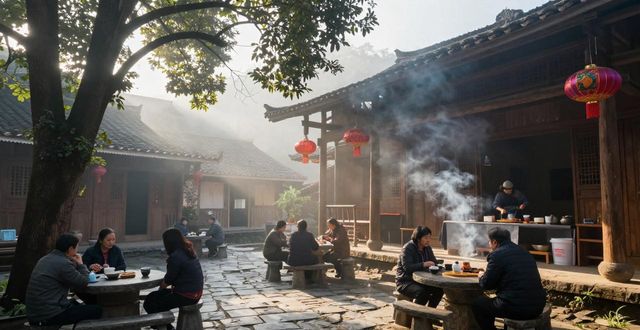
Wake up to roosters and mist-covered hills, then join your host family for a breakfast of sticky rice or handmade noodles. Morning hours are often spent walking through village paths, watching women weave cloth or men carve wood. Your host may invite you to help feed pigs, collect vegetables from garden terraces, or learn a few words of the local dialect. Lunch is a communal affair,with dishes like sour fish soup or smoked pork placed at the center of a low table. Afternoons offer chances for short hikes to waterfalls or ancient burial sites, while evenings bring singing circles, rice wine toasts, and the warmth of a fire pit where generations share legends.
Essential etiquette tips for respectful stays

Foreign guests sometimes worry about making mistakes, but most hosts are remarkably forgiving. Learn a few basic phrases of the local language – a simple “thank you” works wonders. Remove shoes before entering wooden houses, and never point your feet at the family altar or kitchen fire. Accept food or drink offered, even if you only take a small bite; refusing can be seen as rude. Rice wine ceremonies often require you to sip from a communal horn – do not touch it with your hands, and always drink in one go. Do not photograph rituals or people without asking first, and never touch religious objects like ancestor tablets or spirit bridges. Dress modestly, especially when visiting villages with strong shamanic traditions, and ask permission before joining any ceremonial dancing.
Have you ever stayed with an ethnic family in a remote Chinese village? What surprised you most – the food, the customs, or the warmth of strangers? Share your story in the comments below, and if this guide helped you, give it a like and pass it along to fellow adventurers.