
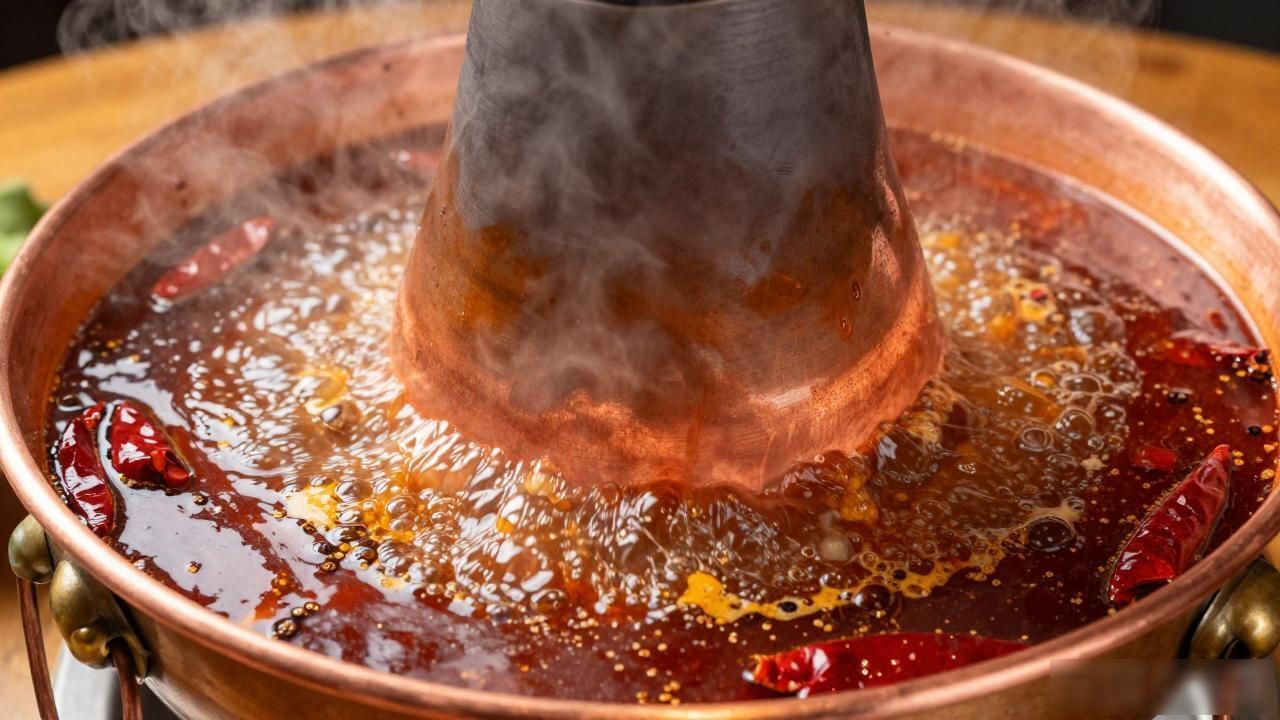
Spicy hot pot in China is not just dinner—it’s a full-body sensory storm. The broth simmers with mountains of dried chilies, crackling Sichuan peppercorns, and a thick veil of fermented chili oil, and every single dip into that red ocean sends heat racing up your throat and across your forehead. I’ve eaten my way through three decades of this ritual across Chongqing, Chengdu, and Kunming, and the first bite of each season still catches me flat-footed.
What Makes Spicy Hot Pot in China Hit Different

The base broth is where the real magic lives. Chongqing-style hot pot layers beef tallow, doubanjiang, and mountain pepper into a thick,swirling pool that coats your entire tongue. You don’t just taste spice here—you feel it blooming in your chest, behind your eyes, at the backs of your ears. The numbing-tingling sensation from genuine Sichuan peppercorns is unlike anything else on the global spice map.
Sichuan hot pot, by contrast, leans on pepper fragrance over raw burn. The broth is lighter, more layered, and the spice builds in slow waves rather than slamming you all at once. Both styles flood the same crowded table with paper-thin mutton slices, crisp tripe, silken tofu skin, and hand-pulled noodles, but the pacing of pain shifts completely.

How to Eat Spicy Hot Pot in China
Set the burner to medium, not the level-9 inferno that regulars crank up without blinking. Park a bowl of plain steamed rice and a glass of cold soy milk within arm’s reach—the dairy in the milk neutralizes capsaicin far better than water or soda ever will. Don’t rush your ingredients. Let the broth settle, skim the floating red oil with the long spoon, and dip quick. Tripe blisters in ten seconds. Thin beef rolls, twenty. Tofu skin is your safe harbor when your tongue turns white and your palms start sweating.
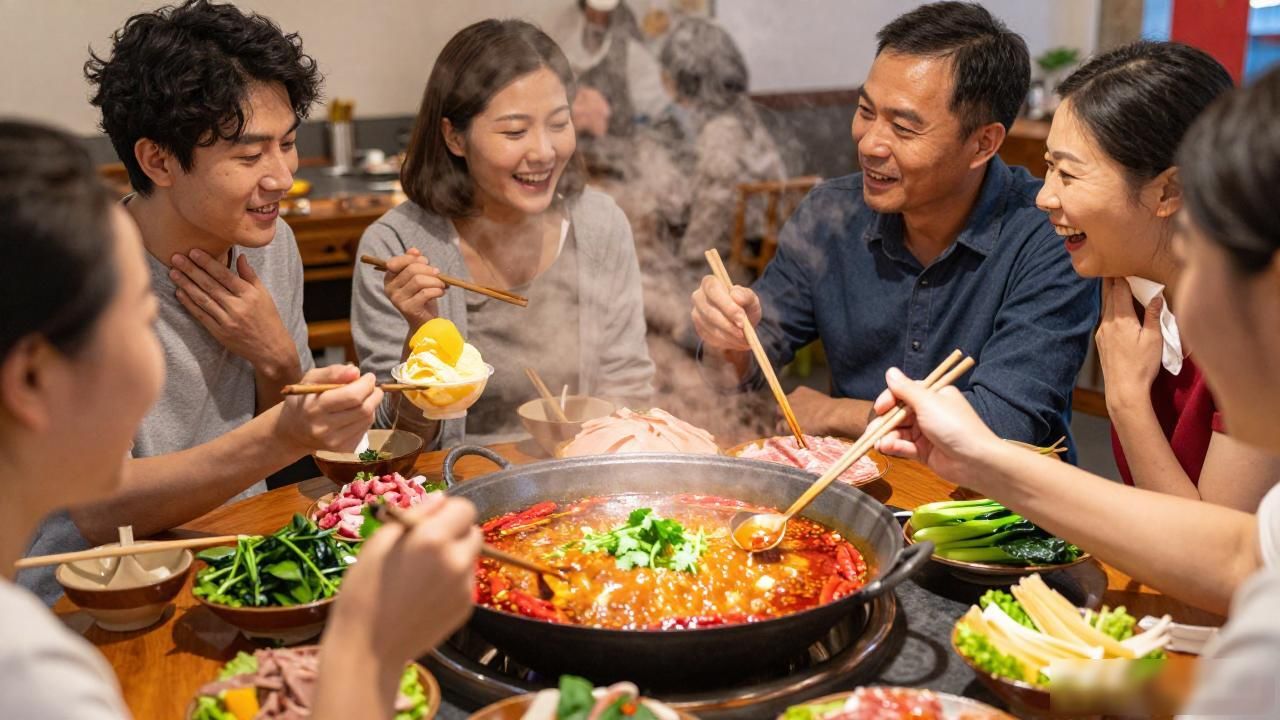
The table will talk loudly, laugh even louder, and hand you a spoonful of mango ice cream between courses. Resist the urge to count chilies floating in the pot. You just eat, wipe your neck with a napkin, and nod at whoever insists you’ll get used to it. You won’t. You’ll book the next table.
There’s a reason the hot pot table claims the loudest corner of every restaurant across the Yangtze basin. Nobody eats in silence. Nobody watches their phone. The broth keeps churning, the dried chilies keep dancing on the surface, and by the time you’re drenched in sweat and reaching for the third round of tripe, the question stops being how much can I take and becomes when’s the next batch ready.