
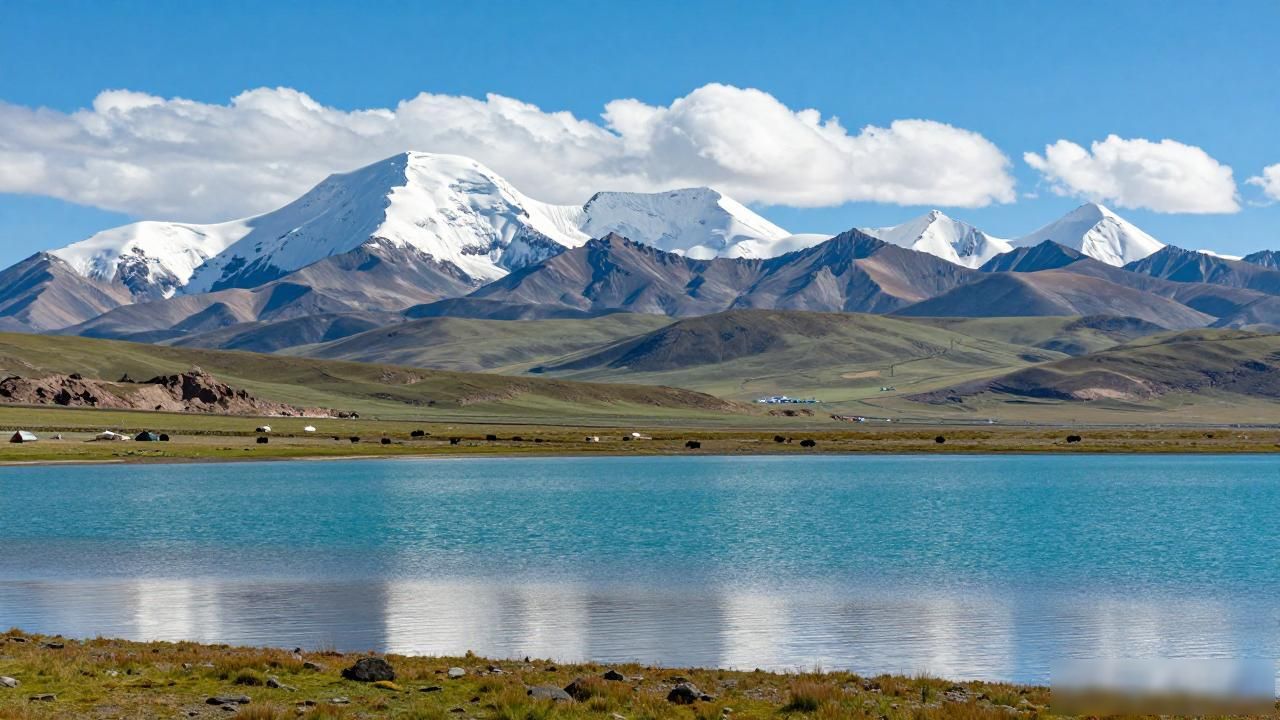
I’ve spent twelve years guiding hikers to the high-altitude lakes scattered across western China’s mountain ranges. Most foreigners arrive with a fuzzy idea of what an Alpine China lake actually looks like and no clear sense of where to start. The truth is there isn’t one single “the” lake. There are dozens, spread from the Tibetan Plateau down to the Qinling range, each with its own access story. This guide cuts through the noise.
Which Alpine China lake is best

The honest answer depends on your fitness level and how far you’re willing to travel. Nahongba Lake in Diqing, Tibet, sits at 4,000 meters and is reachable in a single day from the county town. It’s far less crowded than its famous neighbor to the north, and the turquoise water set against endless grassland gives you that classic alpine postcard shot without committing to a multi-day trek. For most first-timers, that single-day window is the sweet spot.
If you want the full vertical challenge, the glacial lakes near Mount Siguniang in Sichuan reward you with climbs past 3,000 meters and water so still it mirrors the snow peaks. But that means a two-day hike with a porter, a registered guide,and overnight camping gear. No shortcuts on this one.
Alpine China lake how to reach
You’ll need a valid Chinese entry visa plus a trekking permit for any lake above 3,500 meters. The permit process varies by province. In Yunnan, you register through a licensed outdoor company in Dali or Lijiang. In the Diqing area of Tibet, it’s handled by the local outdoor association in Shangri-La. Bring your passport scans and two-inch photos to the registration counter. Allow three working days for approval.
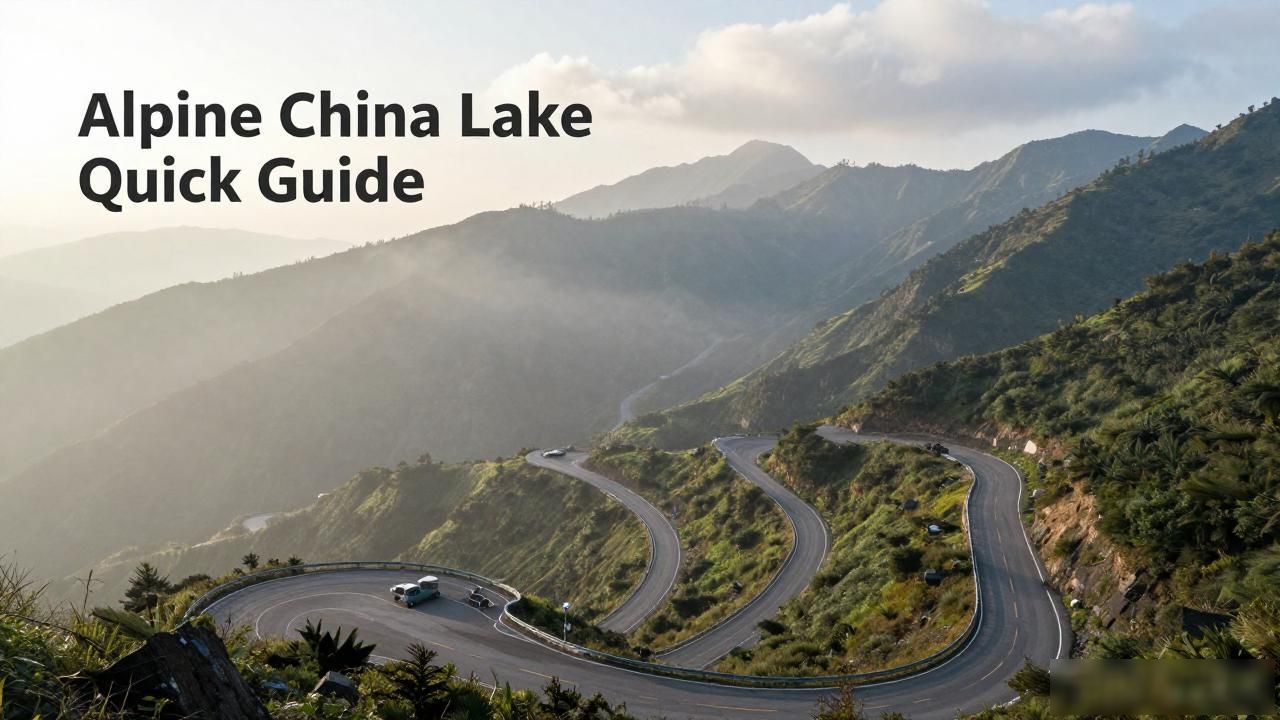
Getting to the trailhead is the other half of the equation. Flights land in Lijiang or Chengdu, then you’re staring at four to six hours on a winding mountain road with barely any guardrails. Book the earliest bus you can. By the time you reach the parking lot at 2,800 meters, your head will already be throbbing and your legs aching from the thin air.
The lakes don’t care whether you’re tired or underprepared. They just sit there, cold and still, at the top of the world. Get your logistics right, respect the altitude, and the water will handle the rest.