
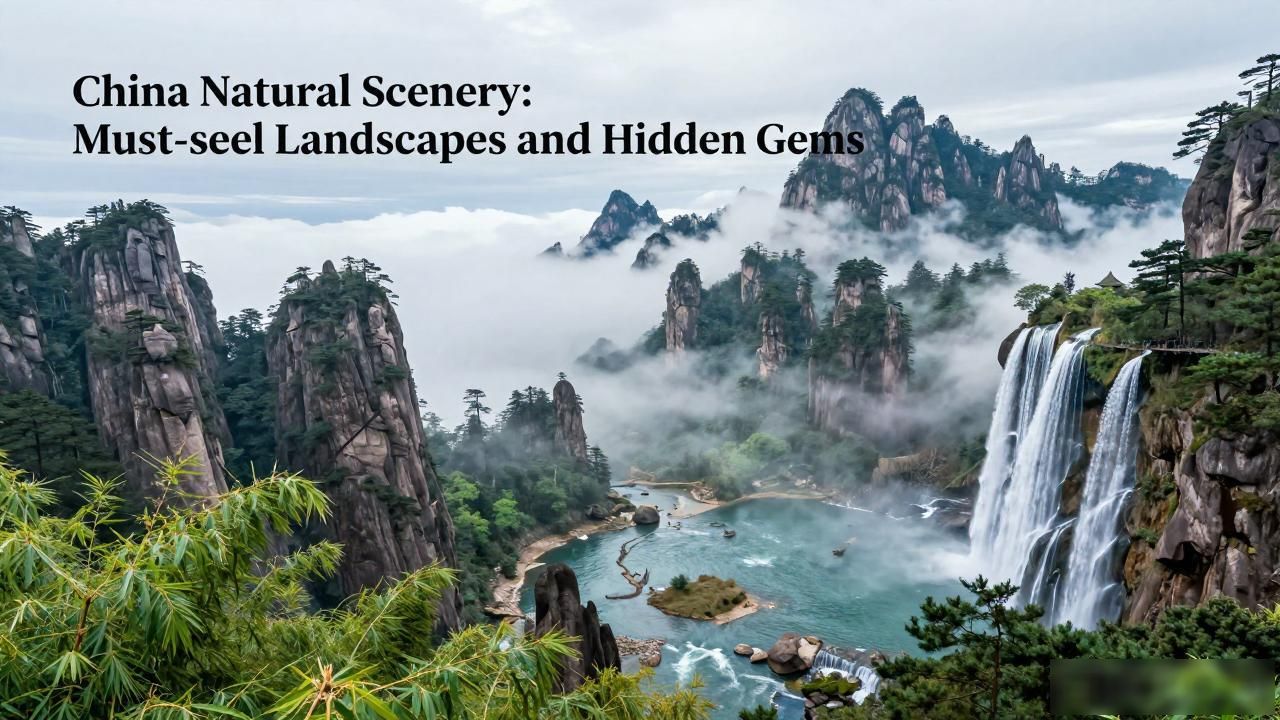
Having spent over a decade traveling across China with my camera, I’ve come to understand something many visitors miss entirely. The natural scenery here isn’t just about well-known spots on a postcard. China’s landscapes span desert basins and glacial lakes, subtropical rainforests and frozen alpine meadows, all existing within one country. The real magic lies in the places most tour groups never reach.
What makes China’s natural scenery so unique?

Guizhou Province in southwest China holds something extraordinary. The Hukun Waterfall on the border between Guizhou and Yunnan drops nearly 76 meters into a misty gorge surrounded by dense subtropical forest. This isn’t a single waterfall you photograph and leave behind. The entire region pulses with life — hundreds of plant species thrive in the constant humidity, and wild macaques roam the cliffs above the falls year-round.
Zhangjiajie National Forest Park in Hunan Province stands as one of China’s most surreal natural wonders. Towering sandstone pillars rise hundreds of meters straight up from the valley floor, connected by swaying glass bridges and cable cars. These geological formations took millions of years to shape, eroded by water and freeze-thaw cycles until only the hardest rock remained standing. The mist rolling through these peaks at dawn creates an otherworldly atmosphere that photographers dream about chasing.
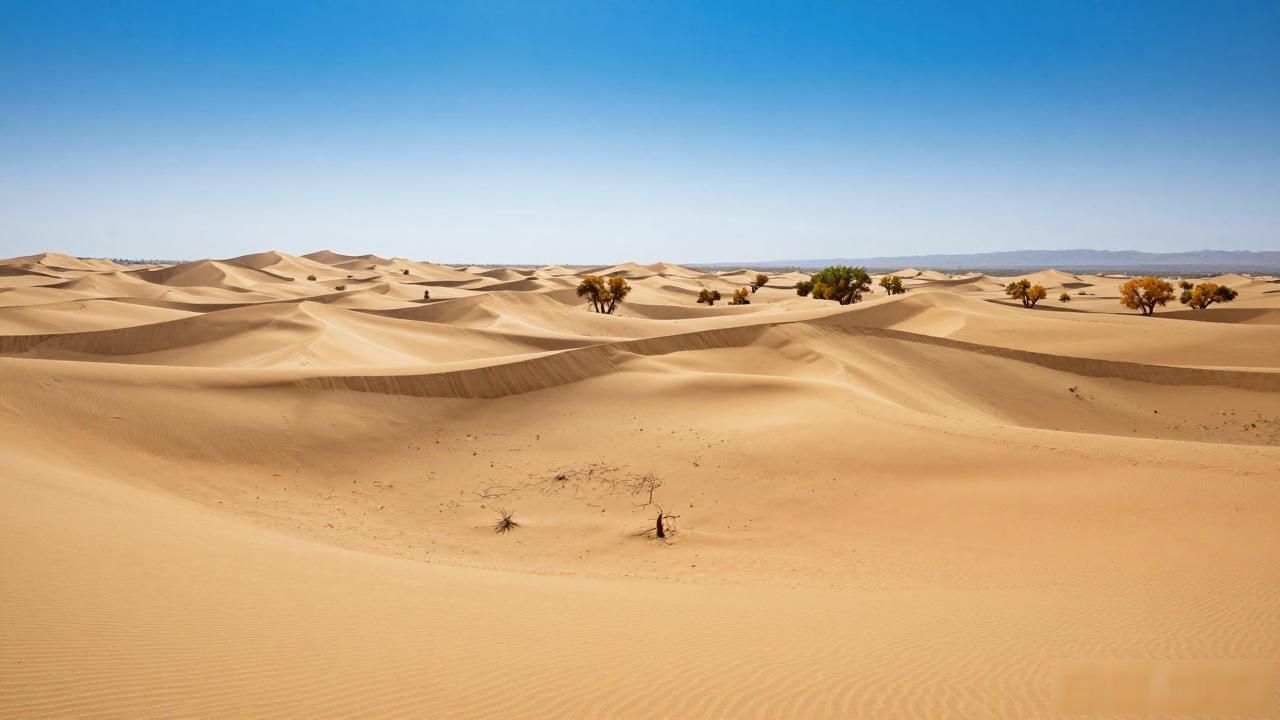
The Xinjiang region in northwest China offers something entirely different — vast deserts stretching to the horizon under an impossibly blue sky. The Taklamakan Desert, meaning “place of no return” in local language, covers over 330,000 square kilometers of shifting sand dunes. Yet even here, life persists in surprising ways. Ancient Populus euphratica forests line the edges of the desert, their golden leaves creating a stunning contrast against the orange sand in autumn months.
Which scenic spots offer the most breathtaking views?
Tibet in southwestern China remains one of the most remote and visually dramatic regions on Earth. The Namtso Lake sits at over 4,700 meters above sea level, surrounded by the snow-capped Nyenchen Tanglha Mountains. The lake water shifts between deep blue and turquoise depending on the angle of sunlight,creating reflections that seem almost unreal. Tibetan nomads move their yaks and sheep across these high plateaus each summer, following traditions unchanged for centuries.
The Three Parallel Rivers of Yunnan protect some of the planet’s most concentrated biodiversity. Where the金沙江,澜沧江, and怒江 rivers flow side by side through deep gorges carved into the Himalayan foothills, the elevation difference between river valleys and mountain peaks reaches over 3,000 meters within just a few kilometers. This dramatic topographic variation creates multiple climate zones stacked vertically, each hosting completely different ecosystems. Snow leopards, red pandas, and countless bird species call this region home.
Guilin and Yangshuo in Guangxi Province showcase the famous karst landscape that appears on countless Chinese paintings. Limestone peaks rise abruptly from flat green rice paddies along the Li River, creating scenery that looks painted rather than photographed. A boat ride between Guilin and Yangshuo takes roughly four hours through this ever-changing gallery of rock formations, each named by locals after shapes resembling animals, people, or objects.