
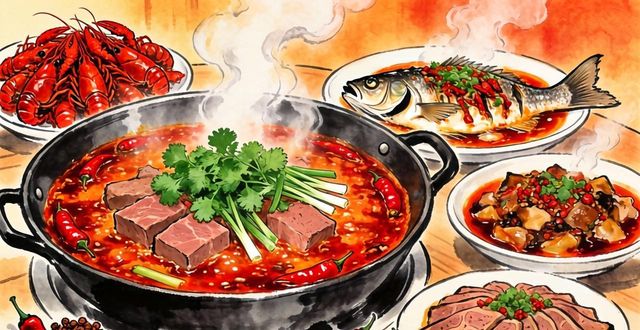
When people think of Chinese cuisine, spicy food often comes to mind. But the reality is far more nuanced than a simple stereotype. From the numbing heat of Sichuan peppercorns to the bold chili oils of Hunan, spicy food in China is a complex and deeply regional phenomenon. This article will guide you through the major spicy cuisines, explain what makes them unique,offer practical tips for enjoying them, and discuss health considerations. By the end, you’ll understand why chili peppers have become so beloved across the country.
Regional spicy cuisines in China
Sichuan cuisine is perhaps the most famous spicy style, known for its “mala” flavor – a combination of numbing Sichuan peppercorns and dried chilies. Dishes like mapo tofu and kung pao chicken balance heat with fermented bean paste and garlic. The numbing sensation is unique to Sichuan and helps reduce the perception of spiciness, allowing you to enjoy more layers of flavor. Many foreigners are surprised to find that Sichuan food isn’t just fiery; it’s aromatic and slightly sweet too.

Hunan cuisine takes a different approach. Here, the heat comes directly from fresh and pickled chilies, without the numbing effect. Hunan dishes are often described as “dry spicy” or “raw spicy,” meaning the chili flavor is straightforward and intense. Smoked meats and preserved vegetables are common pairings. Meanwhile, Guizhou province uses sour-spicy combinations, featuring fermented chilies and tomatoes. Each region has its own chili culture, and exploring them is like tasting China’s history and geography.
What makes Chinese spicy food unique
Unlike many Western hot sauces that rely solely on capsaicin heat, Chinese spicy cooking emphasizes complexity. The secret weapon is the Sichuan peppercorn, which creates a tingling, buzzing sensation on your tongue. This effect, called “ma,” works in harmony with “la” (heat) to create a multi-sensory experience. Chefs also use dozens of chili varieties, from mild and fruity to intensely smoky. Oil infusions, chili crisps, and fermented pastes add depth that you won’t find in a bottle of Tabasco.
Another key element is the balance of flavors. Chinese spicy dishes rarely taste just hot – they also include sweet, sour, salty, and umami. For example, fish-fragrant eggplant (yuxiang qiezi) has pickled chilies, sugar, and vinegar, creating a sweet-sour-spicy profile. This principle comes from traditional Chinese medicine, which views spices as a way to harmonize a dish. So when you eat authentic Chinese spicy food, you’re tasting centuries of culinary philosophy, not just heat for heat’s sake.
How to eat spicy Chinese food like a local
If you’re new to Chinese spice, start slowly. Order a dish with “mild” or “little chili” (wei la), and always have a bowl of plain white rice on the side. Rice absorbs oil and dilutes capsaicin, making it the best antidote to heat. Locals also drink yogurt or soy milk – the casein in dairy binds to capsaicin and washes it away. Avoid cold water, which only spreads the oil. Beer works too, but the carbonation can sometimes intensify the burn.
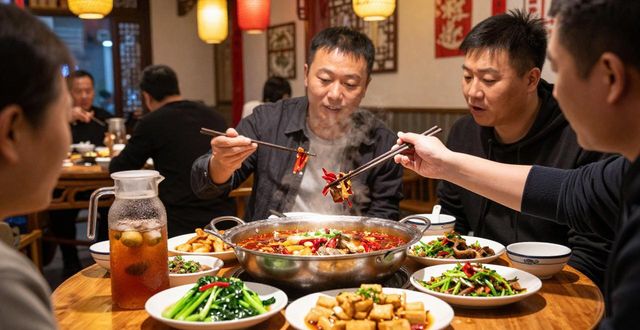
Another insider tip is to eat spicy dishes family-style, not alone. Share several dishes with friends so you can alternate between spicy and non-spicy options. Cooling sides like cucumber salad, pickled radish, or steamed vegetables provide relief. And don’t be shy about asking for a bowl of vinegar – a few drops can cut through the heat and refresh your palate. Many Chinese restaurants also serve free soup or tea, both of which help. With practice, your tolerance will grow, and you’ll start appreciating the intricate flavors behind the fire.
Health benefits and cautions
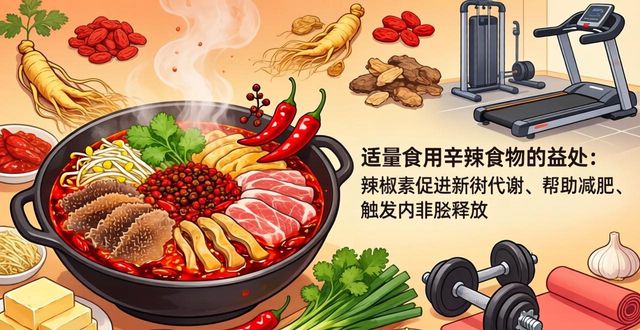
Moderate consumption of spicy food offers real benefits. Capsaicin, the compound that makes chilies hot, boosts metabolism and may aid weight loss. It also triggers endorphin release, creating a natural “runner’s high” that explains why people crave spicy meals. Traditional Chinese medicine uses chilies to promote circulation, relieve cold symptoms, and reduce phlegm. In humid regions like Sichuan and Hunan, locals believe that eating spicy food helps expel internal dampness – a concept backed by modern science, as sweating cools the body.
However, too much spice can cause problems. If you have a sensitive stomach, ulcers, or acid reflux, go easy on the chilies. Extremely hot dishes might lead to temporary discomfort, sweating, or even diarrhea. Also be aware that some restaurants use excessive oil and salt along with the spice, which isn’t healthy. Listen to your body, and don’t feel pressured to finish a dish that’s too fiery. Start with lower-heat options like Sichuan peppercorn-based stews or chili oil dumplings, and gradually work your way up.
Have you ever tried a spicy Chinese dish that left you breathless or crying? Share your story in the comments – and if you found this guide helpful, give it a like and pass it on to a fellow spice explorer!