
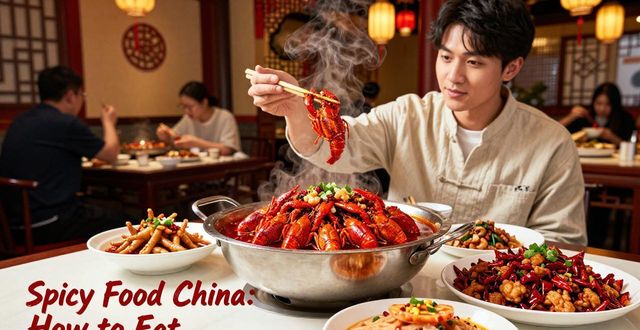
Spicy food in China is more than just a fiery sensation. It is a cultural journey that spans centuries, from the numbing heat of Sichuan to the pungent spice of Hunan. Many foreigners assume all Chinese food is spicy, but the truth is that heat is concentrated in specific regions. This guide will help you understand where to find the best spicy dishes, why Chinese people love them, and how to enjoy them without burning your tongue. Whether you are a chili lover or a cautious eater, you will discover the rich, complex world of China’s spicy cuisine.
Spicy food regions in China
Contrary to popular belief, not every Chinese province embraces chili peppers equally. The most famous spicy food regions include Sichuan, Hunan, Guizhou, and Yunnan. Sichuan cuisine is known for its “mala” (numbing spicy) flavor, combining chili with Sichuan peppercorns. Hunan cuisine uses fresh, pickled, and dried chilies to create a straightforward, pungent heat. Guizhou prefers sour-spicy combinations, often using fermented chili sauces. Yunnan incorporates wild herbs and fruits with chilies for a unique tropical spice. Each region has its own philosophy of heat.

The historical reason for this concentration is fascinating. Chili peppers arrived in China from the Americas in the late 16th century via trade routes. They first took root in poor, mountainous provinces like Hunan and Guizhou, where people needed cheap, flavorful ingredients to preserve food and combat humidity. Over time, chili became a staple, and each region developed distinct techniques. For example, Sichuan’s humid climate led to the creation of “mala” to “expel dampness” according to traditional Chinese medicine. Understanding these origins helps you appreciate why certain areas live and breathe spice.
Must-try spicy Chinese dishes
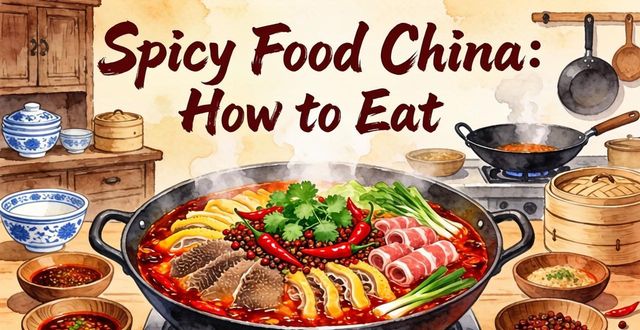
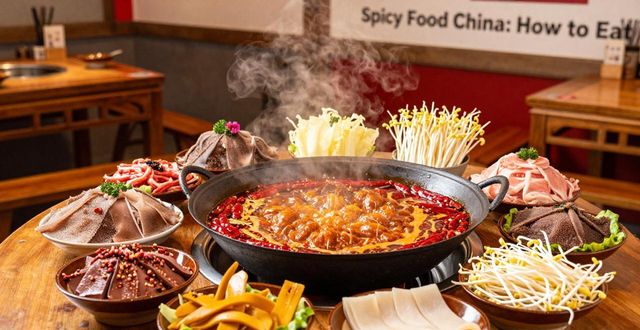
If you want to experience authentic spicy food in China, start with these iconic dishes. Mapo Tofu from Sichuan features soft tofu in a spicy, bean-based sauce with minced pork and a numbing kick. Kung Pao Chicken is a milder but still spicy stir-fry with peanuts and vegetables. For the brave, try Chongqing Hot Pot, where you cook raw ingredients in a bubbling, chili-laden broth that can be adjusted to your heat level. Another classic is Hunan’s Steamed Fish Head with Chopped Chilies, a whole fish head covered in salted, fermented red and green chilies.
Don’t overlook lesser-known dishes. Guizhou’s Sour Soup Fish combines tomatoes, wild herbs, and pickled chilies for a tangy, spicy broth. Yunnan’s Crossing Bridge Noodles can be ordered with a spicy chili oil base. For street food, try spicy crayfish in Beijing or Shanghai, especially during summer. These dishes are often shared family-style, so you can sample multiple flavors. Remember, spiciness levels vary by restaurant and region. Always ask for “less spicy” (少辣) if you are unsure, but be prepared that “less spicy” in Hunan might still feel intense to a beginner.
Health benefits of spicy food
Spicy food is not just about taste—it offers real health advantages. Capsaicin, the compound that makes chilies hot, has been shown to boost metabolism, helping with weight management. Studies suggest that regular consumption of spicy food can lower the risk of heart disease and stroke by improving blood circulation and reducing bad cholesterol. In traditional Chinese medicine, spicy ingredients are believed to “warm” the body, clear nasal passages, and aid digestion. Many Chinese people eat spicy food to combat damp, cold weather, which explains its popularity in humid regions like Sichuan and Hunan.
Additionally, spicy food may have antimicrobial properties, helping to preserve food in hot climates before refrigeration. Some research indicates that capsaicin can reduce inflammation and even alleviate pain when used topically. However, moderation is key. Extremely spicy food can irritate the stomach lining for sensitive individuals. The good news is that your tolerance builds over time. Start with milder dishes like Dan Dan Noodles and gradually work your way up. Pair spicy meals with cooling sides like cucumber salad or yogurt-based drinks to balance the heat. As with any dietary change, listen to your body.
Tips for eating spicy food like a local
First, do not drink water immediately when your mouth feels on fire. Water only spreads the capsaicin, making the burn worse. Instead,reach for dairy products like milk, yogurt, or even ice cream. The protein casein in dairy binds with capsaicin and washes it away. In Chinese restaurants, you will often find bowls of cold soy milk or sweet mung bean soup served alongside spicy meals. Another trick is to eat starchy foods like rice, bread, or noodles, which absorb the oil and dilute the spice. Avoid carbonated drinks—they can exacerbate the burning sensation.
Second, learn a few key phrases in Mandarin to manage your spice level. “Bù là” (不辣) means no spice, “wēi là” (微辣) is mild, “zhōng là” (中辣) medium, and “tè là” (特辣) extra spicy. When ordering, say “Qǐng zuò wēi là” (请做微辣) to request mild heat. However, remember that standards vary—what is mild in Shanghai might be fiery in Chengdu. Finally, embrace the culture of sharing. Chinese meals are communal, so order both spicy and non-spicy dishes to please everyone. Do not be shy to ask locals for recommendations. They will appreciate your interest and may even share their favorite off-menu dishes.
What is your biggest challenge when trying spicy Chinese food—the heat, the numbing sensation, or finding authentic dishes? Share your experience in the comments below, and do not forget to like and share this guide with fellow food adventurers.