
Cooking Chinese cuisine at home might seem intimidating at first, but it is actually a rewarding and delicious journey. Many people think you need a roaring wok, a dozen exotic sauces, and years of training. The truth is, with a few basic techniques and the right mindset, anyone can create authentic dishes that burst with flavor. In this guide, I’ll share practical advice based on real kitchen experience, helping you avoid common mistakes and build confidence step by step.
Why fresh ingredients matter

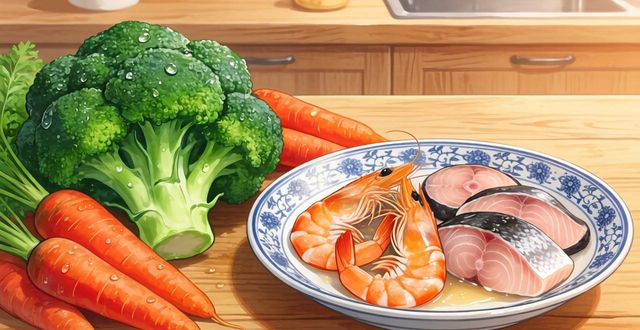
Chinese cooking relies heavily on the natural taste of fresh produce, meat, and seafood. Unlike some Western dishes that use herbs and cream to build flavor, Chinese recipes often let the ingredients speak for themselves. That is why you should always pick crisp vegetables, recently cut meat, and lively fish. For example, a simple stir-fry of bok choy and garlic tastes completely different when the bok choy is fresh and has a bright green color. Frozen vegetables tend to release water during cooking, which turns your stir-fry into a sad, soggy mess. Visit your local Asian market or farmers’ market regularly. Smell the ginger, touch the scallions, and look for shiny eggplants. These small efforts will dramatically improve your dishes.
Mastering the wok hei at home
Wok hei is the famous “breath of the wok” – that smoky, charred aroma you get from restaurant-style stir-fries. Achieving it at home is possible, even without a jet engine burner. First, use a carbon steel wok, not a nonstick one, because nonstick coatings cannot handle the high heat needed. Heat your wok until a drop of water evaporates instantly, then add oil with a high smoke point, like avocado or peanut oil. Cook in small batches; overcrowding lowers the temperature and steams the food instead of searing it. Toss frequently using a spatula or by shaking the wok. If you have a gas stove, tilt the wok so the flames kiss the edges. Electric stoves work too, but you need to preheat longer and accept a milder result. Practice makes perfect, so don’t worry if your first attempts lack that wok hei magic.
Balancing the five core flavors
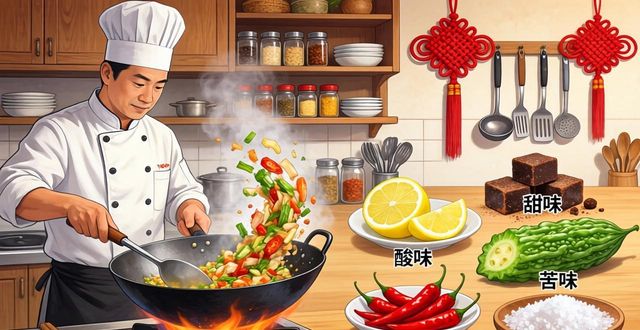
Chinese cuisine is famous for its harmony of sweet, sour, salty, bitter, and spicy tastes. Most home cooks focus only on soy sauce and chili, but authentic dishes balance everything carefully. Think of a classic sweet and sour pork: the vinegar gives sourness, sugar provides sweetness, light soy adds saltiness,and a tiny amount of dark soy brings a subtle bitter note. Chili or white pepper introduces heat. You do not need all five in every dish, but understanding the principle helps you adjust recipes to your liking. Taste as you cook, and remember that a pinch of sugar can round off harsh saltiness, while a dash of vinegar can lift a heavy, oily dish. Keep small bowls of sugar, vinegar, salt, and soy sauce near your stove. This way you can correct flavors in seconds, just like a professional chef.
Essential pantry sauces for beginners
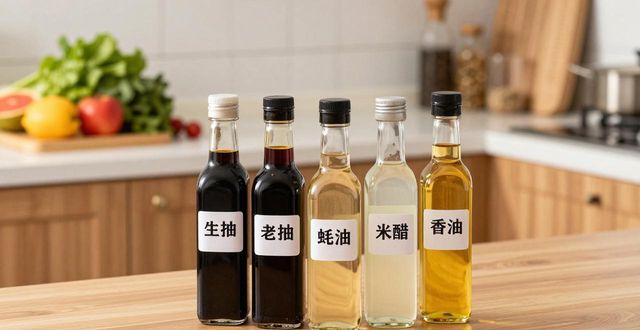
You do not need a dozen bottles to start cooking Chinese food. Focus on five key sauces that cover 90% of recipes: light soy sauce (for saltiness), dark soy sauce (for color and a hint of caramel), oyster sauce (for umami richness), rice vinegar (for mild acidity), and toasted sesame oil (for a nutty finish). Avoid buying “stir-fry sauce” blends because they often contain too much sugar and preservatives. Once you have these basics, add Shaoxing wine, fermented bean paste, or chili oil slowly as you explore regional cuisines. Store your sauces in a cool, dark cupboard, and check expiration dates – some people keep soy sauce for years, but its flavor degrades. A simple rule: if you open a bottle and it smells dull or overly alcoholic, replace it. With these five staples, you can make everything from fried rice to braised beef.
Now, I’d love to hear from you: what is the biggest challenge you face when trying to cook Chinese food at home? Share your thoughts in the comments, and feel free to ask questions – I read every reply. If you found this guide helpful, click the like button and share it with a friend who also dreams of mastering the wok. Happy cooking