
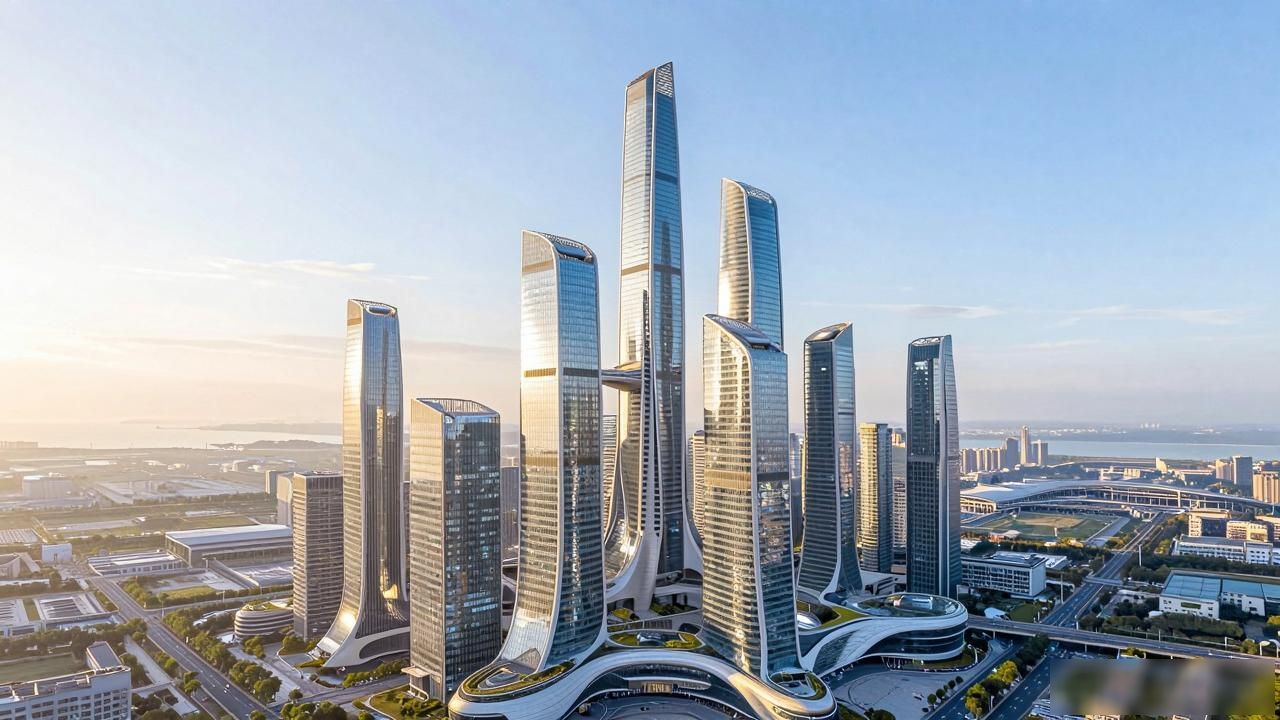
Shenzhen stands as one of the most remarkable examples of rapid urban transformation in the world. From a modest fishing village to a gleaming metropolis in just four decades, this southern Chinese city has constructed a skyline that rivals Hong Kong and Shanghai. Foreign architects and urban enthusiasts flock here to witness how a young city reimagines its identity through bold, forward-thinking design. The result is an architectural landscape that feels distinctly futuristic,even as it draws deeply from local culture and environmental context.
What Defines Shenzhen’s Modern Architectural Style

Shenzhen’s architecture is defined by its fearless experimentation and willingness to embrace radical new forms. Unlike cities burdened by centuries of historical preservation, Shenzhen built its core from scratch during the reform era. This blank canvas allowed visionary developers and internationally trained architects to push boundaries without compromise. Skyscrapers rise in sweeping curves and sharp angular gestures, often featuring dynamic facades that shift with natural light. The city embraces transparency and openness in ways that reflect its status as a technology and innovation capital of Asia.
Much of the architectural energy clusters around the Futian and Nanshan districts. These areas host a concentration of contemporary masterpieces that challenge conventional notions of urban density. Buildings here often incorporate mixed-use designs, merging residential, commercial, and cultural spaces into single vertical ecosystems. This approach responds directly to the fast-paced lifestyle of a city where millions commute daily and land remains extremely precious.
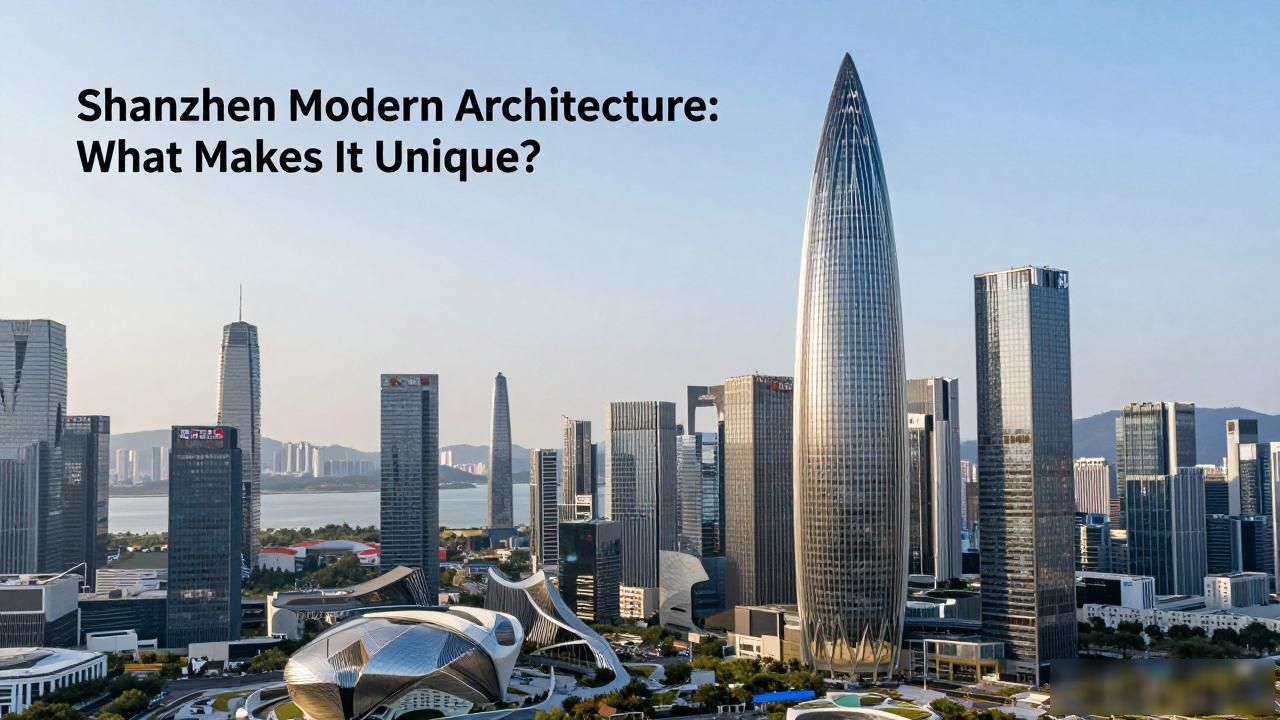
Why Is Shenzhen Called the “City of Architecture”?
The nickname originated from a global recognition that Shenzhen produces more architectural content than virtually any other city on Earth. Over forty major international design firms have contributed to its built environment, creating a density of notable structures per capita that is unmatched. The annual Shenzhen Architecture Biennale, launched in 2005, has become one of the most significant architecture festivals in the world, attracting thousands of visitors annually and showcasing cutting-edge ideas from every continent.
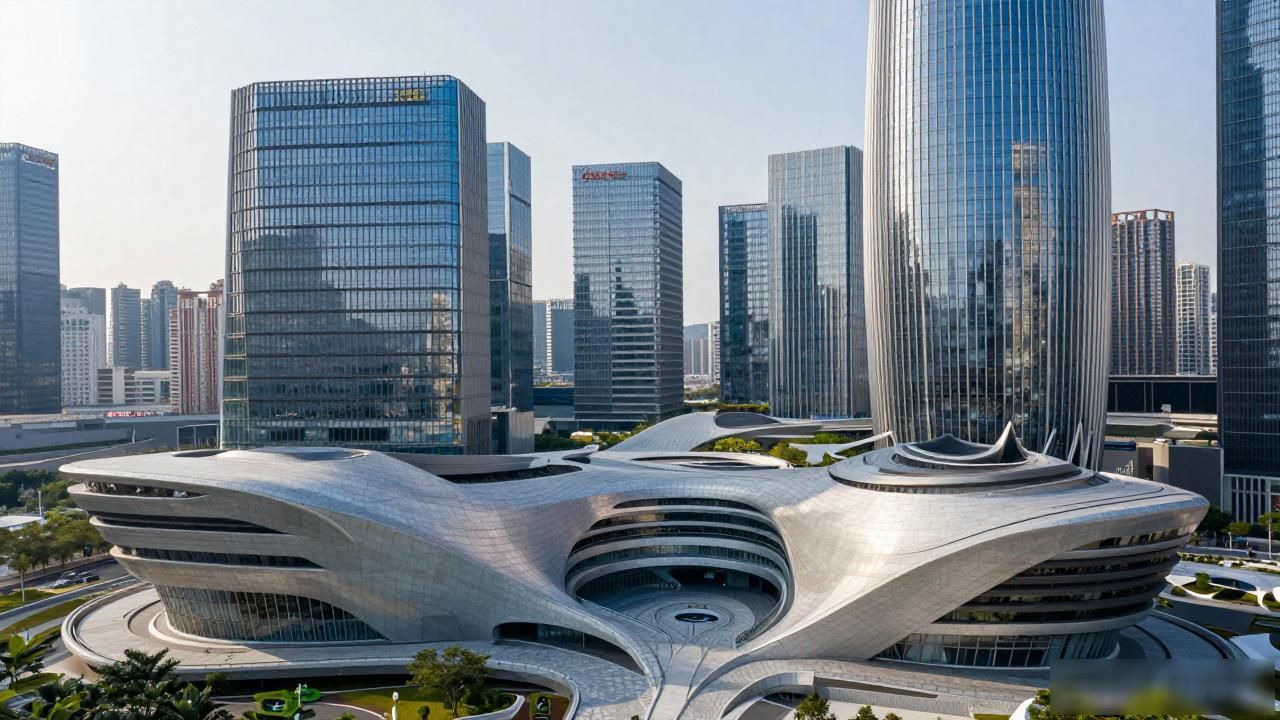
What makes Shenzhen truly special is the pace at which new buildings emerge. Construction cycles are remarkably fast, and the city constantly reinvents its visual identity. Some of the most talked-about recent projects include the OCT Harbour arts complex, which reimagines cultural space with sculptural volumes, and the Ping An Finance Centre, which holds the title of tallest building in China and one of the tallest in the world. The urban planning philosophy prioritizes innovation over tradition, yet local materials and climate-responsive strategies remain prominent in many noteworthy projects. Shenzhen proves that a city need not be ancient to be architecturally significant.