
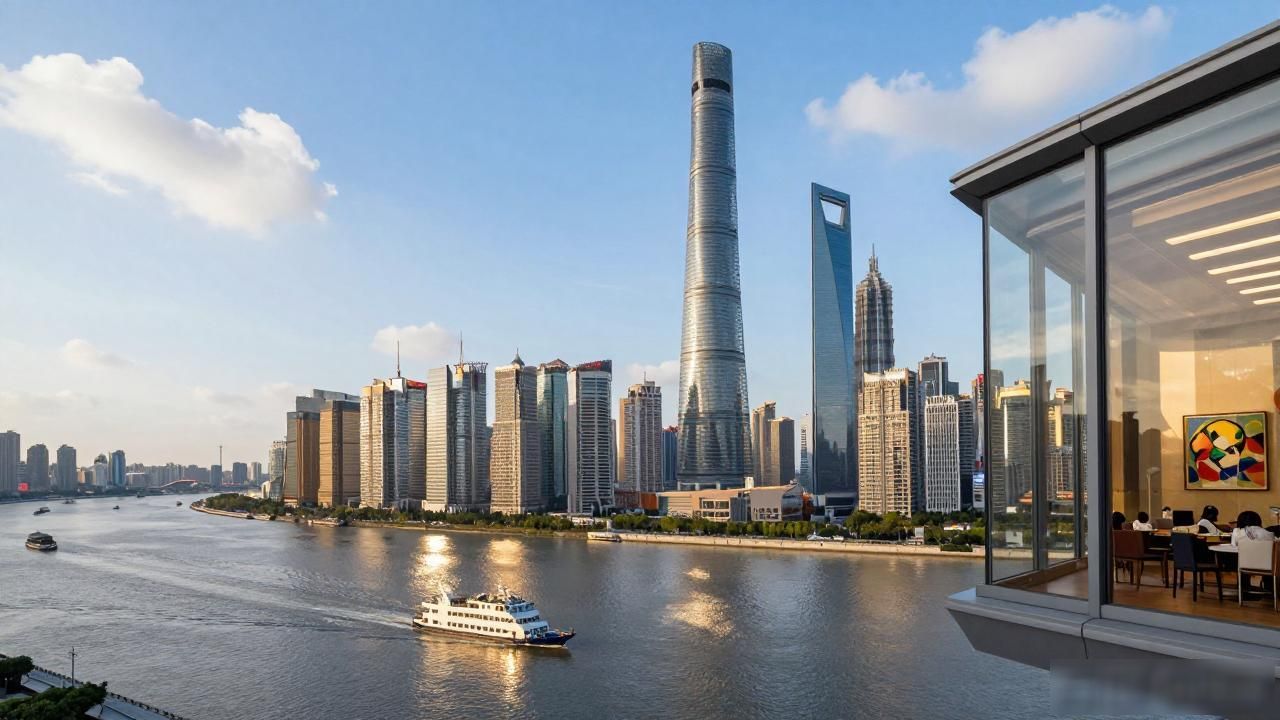
Shanghai is a city that never sleeps, a sprawling metropolis where ancient temples sit beside skyscrapers and narrow alleys hide world-class restaurants. For first-time visitors, the sheer size and energy can feel overwhelming, but the city rewards those who approach it with curiosity and patience. This guide covers the essentials every traveler needs to know before exploring one of Asia’s most dynamic cities.
What to See and Do in Shanghai
The Bund stretches along the Huangpu River, offering perhaps the most iconic view in the entire city. On one side, colonial-era buildings stand in stately rows; on the other, the futuristic skyline of Pudong rises into the clouds. Walking along the promenade at dusk, when both sides light up in golden hues, gives you a real sense of why this city never loses its magic. The Bund is free to visit at any time, and the area comes alive every evening with street performers and food vendors.

A short ferry ride across the river takes you to the Pudong side, where the Shanghai Tower stands at 632 meters as the tallest building in China. The observation deck on the 118th floor offers panoramic views that justify the ticket price. Inside the tower, you will find galleries and dining options, though most visitors come for the view alone. The nearby Oriental Pearl Tower, with its distinctive pink spheres, has been a Shanghai landmark since 1994 and still delivers an impressive experience.
Beyond the tourist corridors, the French Concession offers tree-lined streets perfect for afternoon wandering. Former residence of Sun Yan Zi, a millionaire tycoon turned philanthropist,sits hidden behind wrought-iron gates and lush gardens. This area houses some of the city’s most atmospheric cafés, boutiques, and nightlife spots. Wukang Road is the heart of this neighborhood and the best starting point for exploring on foot.
Where to Stay in Shanghai
The city offers accommodation for every budget, but location matters enormously. The East Nanjing Road area places you within walking distance of the Bund and major shopping streets. Hotels here range from international chains to boutique properties housed in restored shikumen buildings. Prices climb during peak seasons, so booking ahead is always wise.
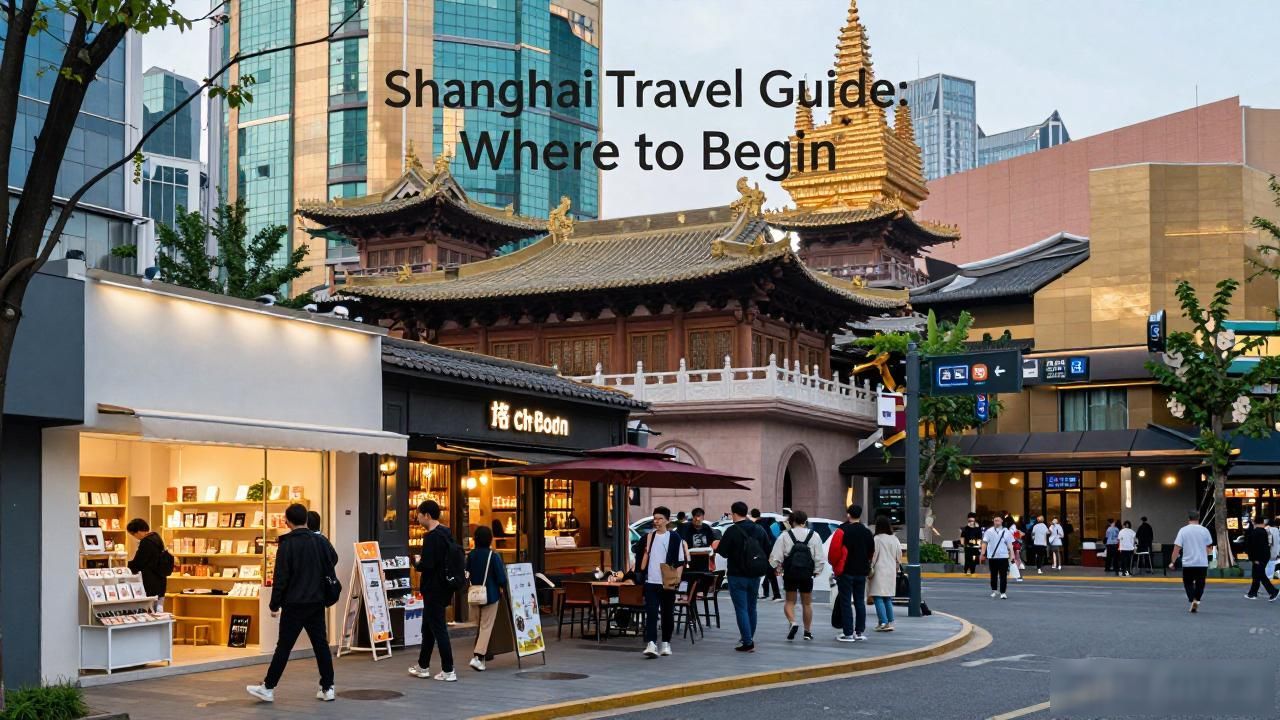
For a more local feel, the Jing’an district strikes a balance between convenience and authenticity. You will find excellent restaurants, trendy bars, and easy access to Metro Line 2 and 7. Jing’an Temple area provides the best value for money without sacrificing central access. Many travelers choose this neighborhood because it feels less crowded than the tourist-heavy zones while remaining well-connected.
Budget-conscious visitors should consider the Hongqiao area near the train station and airport. It offers affordable options and excellent transport links, though you will spend more time commuting to the main sights. The trade-off between cost and convenience is real, and the right choice depends entirely on your priorities and itinerary.
How Much Money You Need in Shanghai
Food costs vary wildly depending on where you eat. Street-side noodle shops charge as little as 15 to 20 yuan for a satisfying bowl, while mid-range restaurants run 80 to 150 yuan per person. High-end dining in Five Star Hotel restaurants easily exceeds 500 yuan. Street food in Xiangyang Road costs around 20 yuan per dish and represents incredible value.
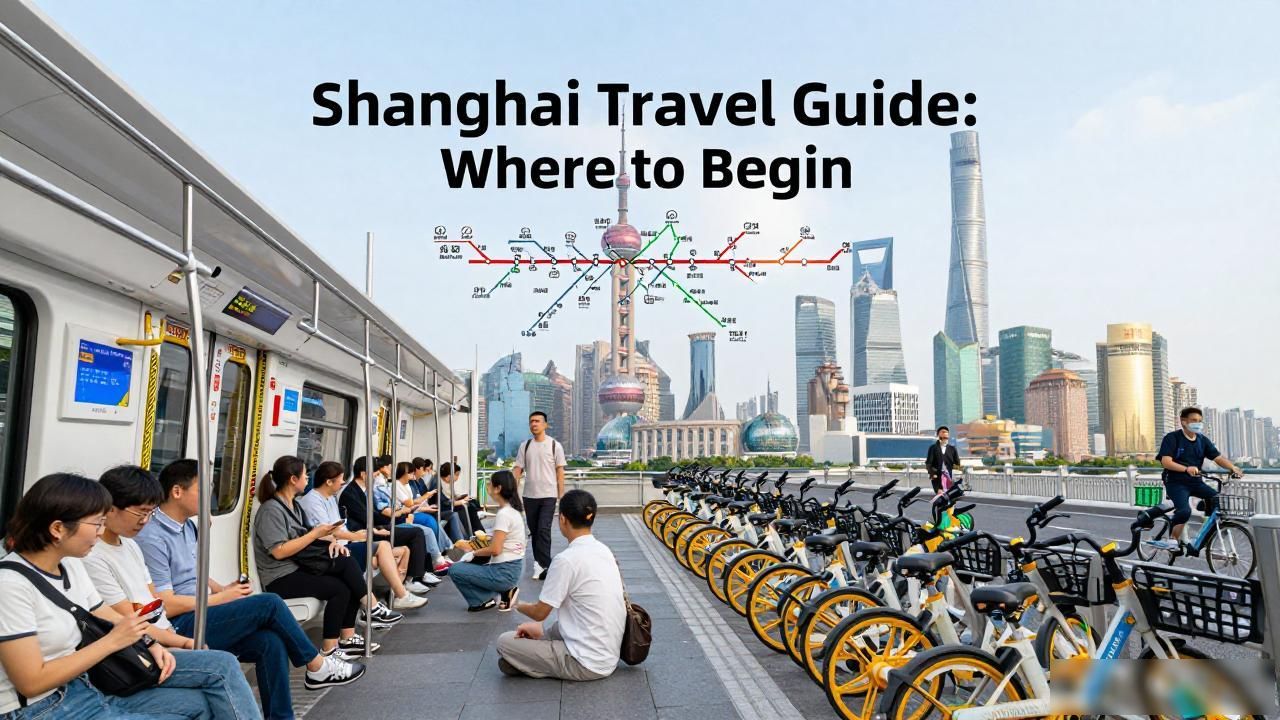
Transportation is inexpensive by global standards. A single Metro ride costs between 3 and 7 yuan, and the network reaches virtually every major attraction. Taxis start at 14 yuan with a flag-fall rate, and ride-hailing apps operate throughout the city. For short distances, bike-sharing services provide a fun and cheap alternative.
Attraction tickets range from free to expensive. The Bund, Nanjing Road pedestrian street, and many temples cost nothing to visit. Museums like the Shanghai Museum charge modest fees, while the Jade Buddha Temple requires a small entrance ticket. Plan your budget around the attractions you prioritize rather than trying to see everything at once.
Shanghai is a city that rewards preparation and open-mindedness. You do not need to see every landmark or eat at every restaurant to have a great trip. Focus on the experiences that match your interests, move at your own pace, and let the city reveal itself to you over several days. The magic of Shanghai lies not in checking off destinations but in getting lost in its ever-changing streets.