
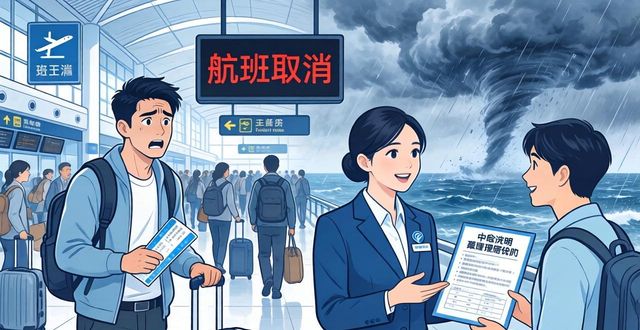
Traveling to China offers an unforgettable blend of ancient history, modern wonders, and diverse landscapes. However, many foreign visitors underestimate the importance of securing proper travel insurance before departure. From unexpected medical emergencies to flight cancellations and lost luggage, having a reliable China travel insurance policy can save you from financial disaster and emotional stress. This guide walks you through why you need it, what to look for, and how to handle emergencies on the ground.
Why You Cannot Skip China Travel Insurance
China’s public healthcare system is efficient for citizens, but foreign travelers are expected to pay upfront for medical services. A simple emergency room visit can cost hundreds of dollars, while a hospital stay or surgery might run into tens of thousands. Without insurance, you will be personally responsible for every bill before leaving the facility. Even minor injuries like food poisoning or a sprained ankle can quickly drain your travel budget. Moreover, evacuation back to your home country—if you suffer a serious illness or accident—can exceed $50,000. Most standard health plans from abroad offer zero coverage in China, making dedicated travel insurance not a luxury but a necessity.

Another often-overlooked risk is trip interruption due to family emergencies back home or political instability. China’s weather patterns can cause sudden flight cancellations, especially during typhoon season along the coast. Travel insurance reimburses non-refundable hotels, tours, and flights, allowing you to rebook without double-paying. Many policies also include 24/7 multilingual assistance hotlines, which are invaluable when you cannot speak Mandarin. Simply put, skipping insurance is gambling with your savings and peace of mind.
What Does a Good China Travel Insurance Cover
A comprehensive China travel insurance policy should include at least five core benefits. First, medical expense coverage of at least $100,000 for hospital stays, doctor visits, ambulance fees, and prescription drugs. Second, emergency medical evacuation and repatriation of remains, which typically requires a separate high-limit benefit of $250,000 or more. Third, trip cancellation and interruption coverage that refunds prepaid expenses for reasons like sudden illness, death in the family, or severe weather. Fourth, baggage loss or delay coverage, including reimbursement for essential items if your luggage does not arrive for 12 hours. Fifth, personal liability in case you accidentally injure someone or damage property in China.
Additionally, look for policies that cover adventure activities if you plan to hike the Great Wall, bike through rural Yunnan, or ski in Zhangjiakou. Many standard plans exclude “dangerous sports,” so verify the fine print. Some Chinese domestic insurers offer local policies, but expats often prefer international providers like World Nomads, Allianz, or AXA because their claims processes are English-friendly. Also check for coverage of trip delays due to common China-specific issues such as train cancellations from snowstorms or sudden visa changes. A good policy will also include a 24-hour emergency hotline that connects you to English-speaking operators who can locate English-speaking doctors.
How to Choose and Buy the Right Policy
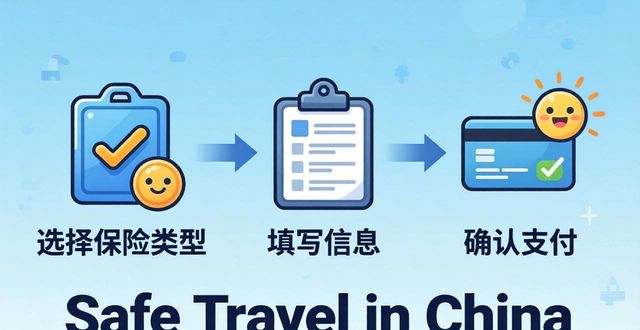
Start by comparing at least three insurance providers on independent review sites like Squaremouth or InsureMyTrip. Focus on policies explicitly sold to non-Chinese residents, as local products may have lower limits or require a Chinese ID. Enter your travel dates, age, and home country to get accurate quotes. Never buy based on price alone—a $20 policy is likely useless when you need $50,000 evacuation. Read sample claim scenarios in the policy wording. For China, pay attention to exclusions related to pre-existing conditions, alcohol-related incidents, and high-risk activities. If you have a chronic condition like asthma or diabetes, seek policies that offer a “pre-existing condition waiver” if you purchase within 14 days of your first trip deposit.
Once you select a plan, purchase directly from the provider’s website or a reputable broker. Immediately save the policy number and emergency assistance phone number in your phone and print a physical copy. Many travelers forget that China blocks many foreign websites, so download the insurer’s app or save PDFs offline before departure. Also keep a list of emergency contacts in both English and Chinese. If you are on a group tour, ask your operator if they provide base coverage and then supplement it with your own. Remember to declare any valuable electronics or sports equipment separately to ensure they are insured during domestic flights or train rides.
What to Do in an Emergency in China
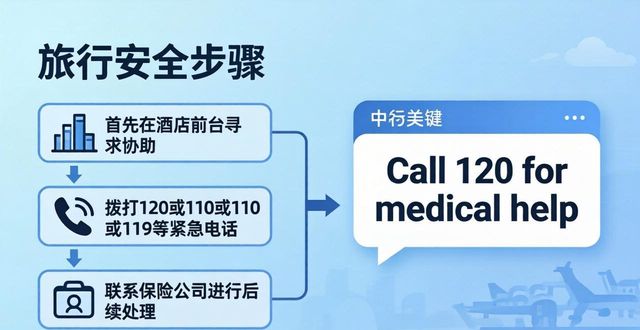
If you need medical care, first call 120 for an ambulance—operators may not speak English, so ask your hotel receptionist or a local to help. For police assistance (theft, assault), dial 110; for fire, call 119. Once you are safe, immediately contact your insurance provider’s 24/7 assistance line. Do not pay any medical bill without first asking the insurer if they have direct billing arrangements with that hospital. Many international insurers partner with premium hospitals in major cities like Beijing United Family Hospital or Shanghai International Medical Center. If you must pay out of pocket,keep every receipt, medical report, and prescription. Take photos of the facility, doctor’s name, and any diagnostic images.
For lost passports or stolen bags, file a police report within 24 hours—this is mandatory for most claims. Then contact your travel insurance to understand the reimbursement process for emergency replacement of clothing and toiletries. If your flight is canceled due to weather or air traffic control, avoid buying new tickets on your own before calling the insurer. Many policies require pre-approval for additional expenses. Use translation apps like Google Translate (though often blocked, try Microsoft Translator) to communicate in rural areas. Remember that patience is key—claims can take 4-6 weeks, but English-speaking claims adjusters are usually available via email. Above all, never hide any pre-existing condition when filing a claim, as fraud will void your entire policy.
Have you ever faced a medical or travel emergency in a foreign country without insurance? Share your story in the comments below, and if you found this guide helpful, please give it a like and share it with fellow travelers heading to China