
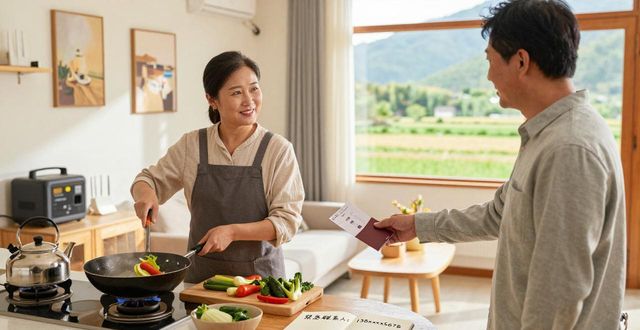
Imagine waking up to the sound of roosters and the smell of homemade noodles steaming in a rustic kitchen. That is the reality of a rural homestay with local families in China. This is not a tourist hotel or a packaged tour. It is a chance to live inside a real Chinese village, eat meals grown from the backyard, and learn customs that have survived for generations. For foreign travelers seeking authentic experiences, this is the ultimate way to understand China beyond the big cities. Let me share what you can expect from such a stay, based on my own visits to villages in Yunnan and Sichuan.
Is a rural homestay safe for foreigners
Safety is usually the first concern for anyone stepping into unfamiliar rural areas. In my experience, Chinese village homes are remarkably safe, often more so than urban hostels. Families open their homes to guests through trusted platforms or local recommendations, and they take great pride in protecting visitors. Most villages are tight-knit communities where everyone knows each other, so any outsider is quickly noticed and helped. Crime rates in these areas are extremely low. The biggest risks you might face are uneven paths at night or spicy food if your stomach is sensitive.

Still, basic common sense applies. Let a friend know where you are staying, carry emergency contact numbers, and make sure your host has your passport copy. Many rural homestays now have Wi-Fi and backup power, so you can stay connected. If you book through a platform like Xiaozhu or Airbnb, read recent reviews from other foreign guests. Some villages near tourist spots like Yangshuo or Dali have hosted foreigners for years and are very experienced. Ask your host about medical facilities nearby; most towns have a clinic for minor issues. Overall, the warmth of a local family will quickly put you at ease.
What food will the local family serve
Forget what you know from Chinese takeout. A rural homestay meal is a revelation. Breakfast often includes congee with pickled vegetables, a fried egg, and freshly made flatbread. Lunch and dinner feature whatever is in season. Think stir-fried eggplant, tofu with chili, steamed fish from the village pond, and lots of greens. The family will likely invite you to help pick tomatoes or pull radishes from their garden. Vegetarians can usually be accommodated, but expect eggs, tofu, and vegetables. Pork is common, and in some regions you might try rabbit or duck.
Be prepared for bold flavors. Rural cooking tends to be saltier, oilier, and spicier than what you get in big city restaurants, especially in provinces like Hunan or Guizhou. If you cannot handle spice, say “bù là” (not spicy) clearly. Meals are communal, meaning everyone eats from shared plates with their own bowl of rice. It is polite to wait for the elders to start and to try every dish at least once. Do not worry about hygiene; families clean dishes carefully. And yes, you will probably drink tea before and after meals, often grown on nearby hills.
How to find a rural homestay with locals
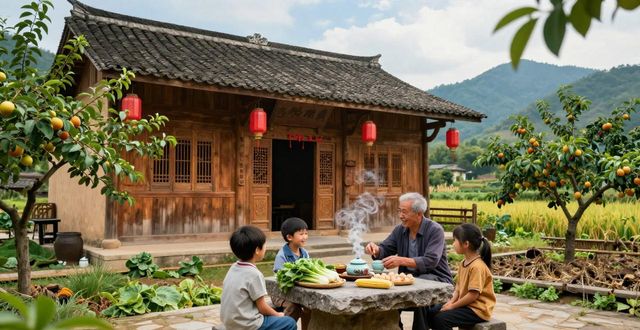
The easiest route is through online booking sites that specialize in homestays. Xiaozhu (Little Pig) and Tujia are Chinese platforms with rural filters. Airbnb also has many listings, though fewer in remote villages. Search using keywords like “farm stay” or “traditional village.” Another method is to first travel to a scenic rural area, then ask at local tourism offices or small shops. Villages near big attractions like the Longji Rice Terraces or Tiger Leaping Gorge have many families offering beds. You can also contact tour operators that focus on sustainable rural tourism, such as WildChina or Lost Plate.
Do not just rely on online photos. Message the host directly and ask clear questions: Is there heating or air-conditioning? Can someone pick you up from the nearest bus stop? Is English spoken? Most rural hosts speak only Mandarin or local dialects, so download a translation app like Google Translate or Baidu Translate. Learn a few basic phrases: “xièxie” (thank you), “hǎo chī” (delicious), “duōshao qián” (how much). Prices range from $15 to $40 per night including meals. Pay in cash or via WeChat Pay. Always confirm the price before arrival and ask if there are extra fees for cooking classes or farm activities.
What cultural customs to respect in rural China
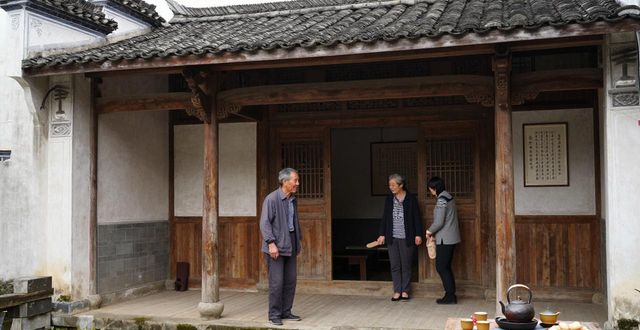
Village life follows rhythms and rules that may surprise outsiders. Remove your shoes before entering the home’s main living area unless told otherwise. Do not point your feet at people or religious objects like ancestor tablets. When given tea or food, receive it with both hands as a sign of respect. Never stick chopsticks upright into a bowl of rice; that gesture is used at funerals. If you want to take photos of the family or their home, ask first. Many older villagers are shy or believe photos steal part of their spirit. A simple smile and pointing to your camera usually works.
Be mindful of bathroom differences. Many rural homes have squat toilets and no toilet paper in the bathroom – bring your own. Dispose of used paper in the bin provided, not in the toilet. Showering might involve a bucket or a small electric water heater with limited hot water. Respect quiet hours. Villagers wake early (around 5 or 6 AM) and go to bed soon after sunset. Loud music or late-night phone calls will disturb the whole household. Offer to help with small tasks like sweeping the yard or washing vegetables. It breaks the ice and shows gratitude. Most importantly,accept hospitality graciously. Even if you are full, take a small second serving; refusal can be seen as rejecting friendship.
Would you trade a luxury hotel for a night on a bamboo mat, listening to frogs and sharing tea with a Chinese grandma who has never left her province? Share your thoughts or your own rural homestay story in the comments below. And if this article helped you plan your trip, hit like and share it with fellow adventurers.