
When travelers think of China, they often picture skyscrapers and crowded cities. Yet the real soul of this country beats in its quiet villages. My rural homestay experiences across provinces like Yunnan, Guizhou, and Sichuan have shown me a side of China that no guidebook captures. Sleeping in a centuries-old farmhouse, waking to roosters and misty mountains, and sharing meals with local families—this is authentic travel. Unlike hotels, rural homestays offer immersion into daily rhythms, traditional crafts, and homegrown food. In this article, I will share practical insights from my stays, from what to eat to how to book, so you can plan your own unforgettable countryside adventure.
What to eat
The moment you step into a rural homestay, food becomes a journey. Most hosts cook with ingredients from their own fields—rice harvested last month, vegetables picked at dawn, and chickens that roamed freely. I still remember the taste of bamboo shoots stir-fried with preserved pork in a Sichuan village, the oil glistening under a simple lamp. Breakfast often includes hand-pulled noodles, fresh tofu, or steaming bowls of congee with pickled radish. Do not expect fancy plating, but every dish tells a story of land and labor. If you are lucky, the family might teach you how to make dumplings or rice cakes. This is not restaurant dining; it is eating as part of the household, and that honesty makes the flavors unforgettable.

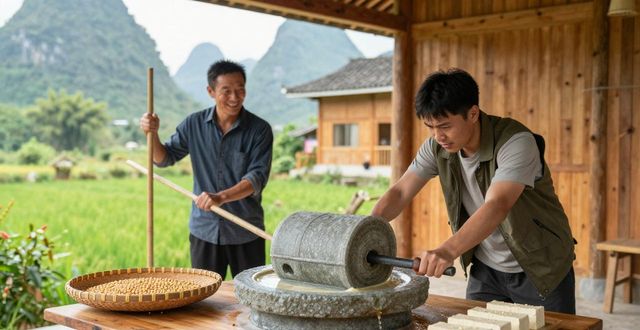
Another highlight is participating in food preparation. In a Guangxi homestay, I helped grind soybeans for tofu, then pressed the curds into blocks for lunch. The host laughed as I struggled with the heavy stone mill. Later, we harvested tea leaves on a misty hillside and roasted them in a wok. These hands-on experiences turn meals into memories. You might also taste regional specialties rarely found in cities, such as sour fish soup from Guizhou’s Miao villages or buckwheat pancakes from Shaanxi’s loess plateau. Always ask your host what is seasonal—wild mushrooms in summer, persimmons in autumn. Eating at a rural homestay is not just about filling your stomach; it is about understanding China’s agricultural roots.
What to see and do
Beyond the table, rural homestays open doors to landscapes and lifestyles invisible from highways. Each morning, I walked with my host to terraced rice fields that looked like green staircases to the clouds. In Yunnan’s Hani villages, I learned how water flows from mountaintop to valley through a system built centuries ago. You can join farming activities based on the season: planting rice in spring, harvesting corn in autumn, or picking tea in summer. These are not tourist shows but real labor. I once spent an afternoon herding goats with an elderly farmer, and his quiet pride in his animals taught me more about resilience than any museum.
For cultural seekers, ask your host to introduce local crafts. In a Fujian homestay, I tried making bamboo baskets under the guidance of a village elder whose fingers moved like magic. In a Hunan village, I watched a grandmother spin cotton into thread on a wooden wheel. Many homestays also arrange simple hikes to nearby waterfalls, ancient bridges, or abandoned temples. Unlike crowded scenic spots, these paths have no ticket booths or souvenir stalls. You might also witness festivals if you time your visit right—dragon dances, harvest celebrations,or wedding processions. The key is to slow down and let your hosts suggest activities. They know the hidden corners that no map marks.
How to book a homestay
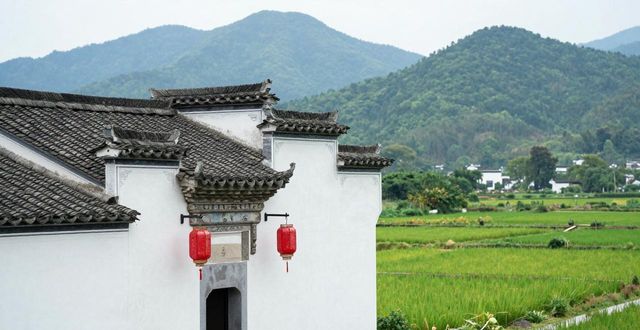
Finding a genuine rural homestay requires more than clicking a hotel app. Start by avoiding overly polished listings on international platforms. Instead, use Chinese apps like Xiaohongshu (Little Red Book) or Ctrip’s “nong jia le” (farm stay) filter. Search for keywords such as “village homestay” plus the region you want. Read reviews written by Chinese travelers—they often mention whether the host speaks Mandarin or a local dialect, and if the road is paved or muddy. I always look for photos that show daily life: drying chili peppers on the roof, a pile of firewood, or a family dinner. If the pictures look too professional, the experience might be staged.
Another reliable method is to book through small travel agencies that specialize in rural tourism. Some organizations, like WildChina or local social enterprises in Yunnan, vet homestays for cultural authenticity and fair pay to villagers. You can also use WeChat to contact hosts directly after finding their contact info on blogs or forums. Do not expect instant replies; villagers are busy with chores. When you message, introduce yourself politely and state your dates. Be prepared to pay in cash or via WeChat transfer, as many rural homestays do not accept credit cards. Finally, manage your expectations—there may be shared bathrooms, no air conditioning, and roosters waking you at 5 a.m. But these small discomforts are part of the real charm.
Why it transforms travel
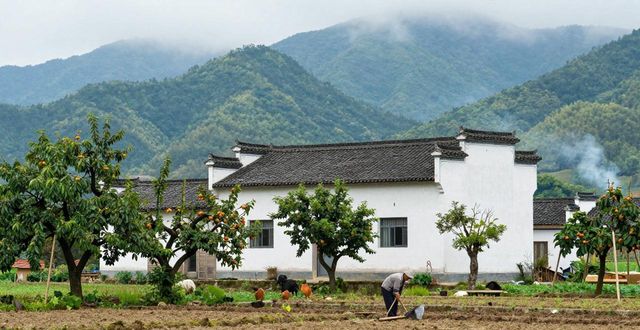
Staying in a rural homestay changes how you see China and yourself. After a week of sleeping under a mosquito net and fetching hot water from a kettle, I realized how much modern life insulates us from nature and community. Conversations with hosts happen without a translator app—you use gestures, smiles, and shared laughter over broken Mandarin. One evening in a Shanxi cave dwelling, the grandmother taught me to cut noodles while humming a folk song. No Wi-Fi, no schedule, just human connection. These moments create empathy. You begin to notice the pride of a farmer showing his vegetable patch, or the shy joy of a child offering you a wildflower.
Moreover, rural tourism supports communities that are often left behind. Your payment—often as low as $15 per night including meals—directly helps preserve traditional houses, farming techniques, and dialects. Many homestays reinvest earnings into village schools or repairing ancient wells. By choosing a rural homestay over a chain hotel, you vote for sustainable travel. You also return home with new skills: how to start a clay oven, weave a bamboo sieve, or tell when a persimmon is ripe. These lessons linger longer than any souvenir. So next time you plan a trip to China, skip the glass towers. Find a village, book a farmhouse, and let the countryside rewrite your travel story.
Have you ever tried a rural homestay in China or elsewhere, and what unexpected moment touched you the most? Share your story in the comments—I read every one, and your experience might inspire others to take the road less traveled. If this article helped you see Chinese countryside differently, please give it a like and share it with a friend who loves authentic travel.