
There is a type of travel that does not belong on Instagram. It smells of wet earth, wood smoke, and chicken coops. Rural China is waking up to the idea that its grandparents’ way of living is exactly what modern visitors are looking for. A farm stay in the Chinese countryside is not a theme park version of agriculture. It is real life, served with rice wine and unconditional hospitality.
Why Choose Rural China Farm Stay
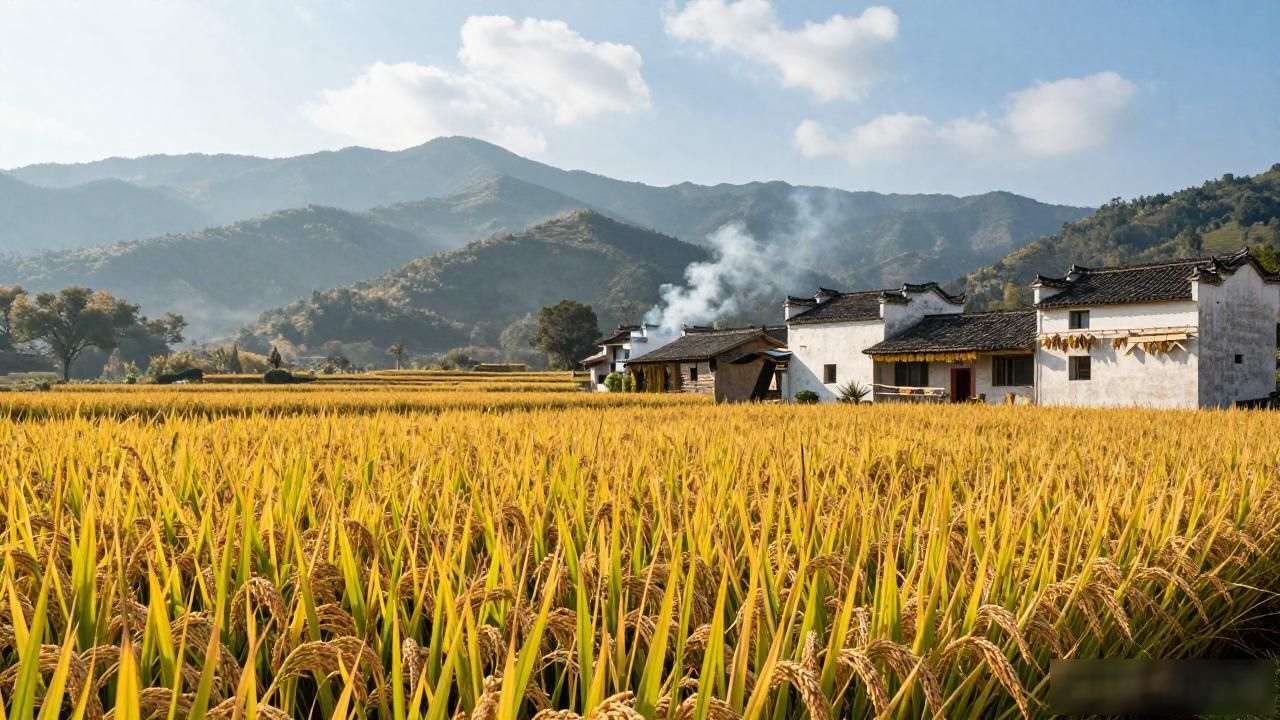
A city break in Shanghai or Chengdu is thrilling, but it never lets you hear silence. The rural farm stay offers the opposite rhythm. Mornings begin with roosters, not alarms. Evenings end when the sun disappears behind terraced fields, not when a subway closes.
The greatest gift of a farm stay is slowness. You notice how the mist moves across the hills. You learn the exact moment the village dog decides to sleep on your porch. You stop checking your phone because there is rarely a signal, and somehow, that feels like freedom.

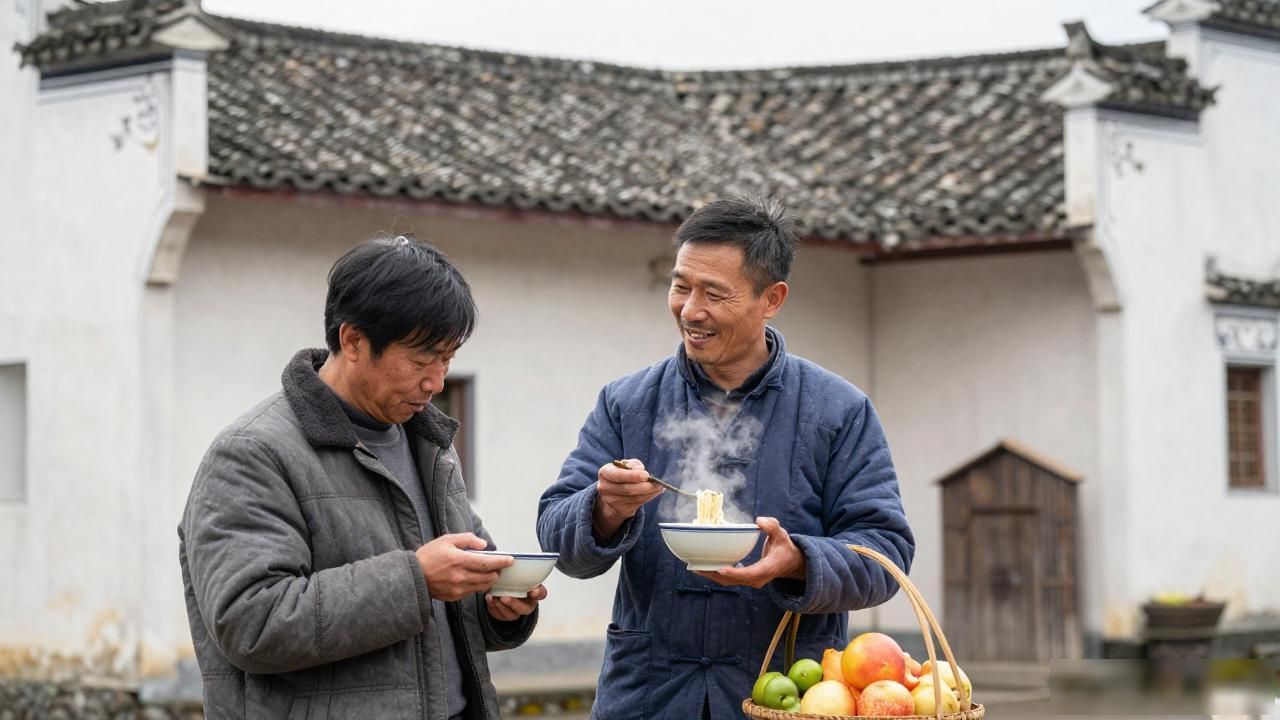
Locals do not see you as a transaction. They see you as a guest who wandered in from the highway. A bowl of noodles appears. A bucket of washed fruit arrives. Someone asks whether you are cold,even if you just stepped outside two minutes ago. This is not hospitality performed for money. It is hospitality practiced as a habit.
What You Will Actually Do
Farm stays do not sell you performances. They hand you chores and call them fun. You might spend the morning helping a neighbor harvest tea leaves in Zhejiang, or gather eggs while a hen argues with you in Mandarin. Afterward, you cook what you gathered. The meal tastes different because your hands helped make it possible.
Some experiences lean practical. You will learn how to sweep a courtyard with a bamboo broom. You will watch a farmer mend a net or stitch a tarp. You may be handed a bicycle and told to deliver something to the next village. These are not scripted activities. They are ordinary rural tasks, offered to anyone willing to participate.
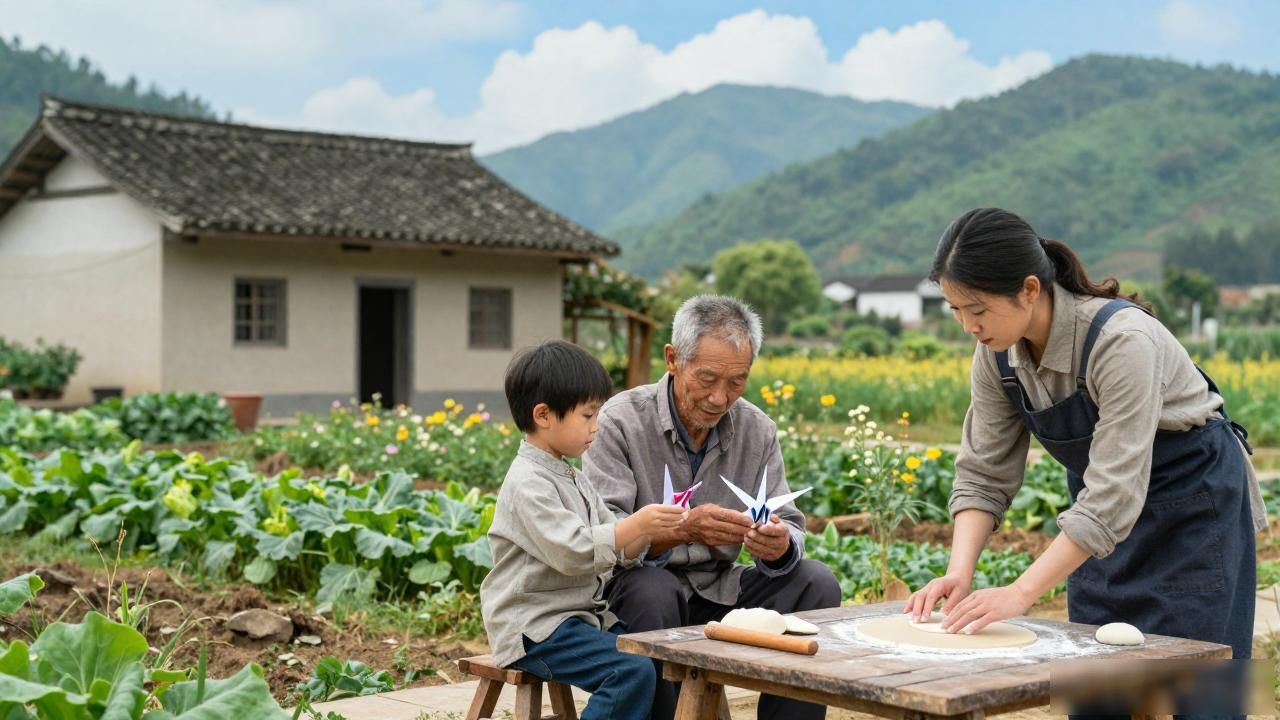
There are moments that feel cinematic without trying to be. A grandfather teaching you to fold paper cranes on a wooden stool. A mother showing you how to roll dumpling wrappers with the speed of someone who has done it since childhood. These small encounters leave a longer impression than any museum.
How to Prepare for Your Rural China Farm Stay
You do not need special gear. Bring clothes you do not mind getting dirty, comfortable shoes for mud and stone paths, and a basic translation app. Cash remains useful. Many villages do not accept cards, and some hosts prefer exact change for small purchases.
Learn a few essential phrases before arriving. Gratitude travels farther than fluency. Saying thank you in Mandarin, even poorly, signals respect. It also opens doors. A host who knows you tried will show you corners of their home they normally keep private.
Pack light, but pack patience. Electricity may cut out during storms. Water pressure can be unpredictable. The Wi-Fi might vanish when you most need it. These are not complaints. They are reminders that you have left the automated world behind.
A rural China farm stay changes how you understand travel. It teaches that worth is not always measured in five-star ratings or concierge service. It proves that the best souvenirs are not bought. They are earned through shared labor, meals prepared together, and evenings spent listening to cicadas while an uncle pours tea without saying a word.
This is where slow travel stops being a buzzword and becomes a practice.