
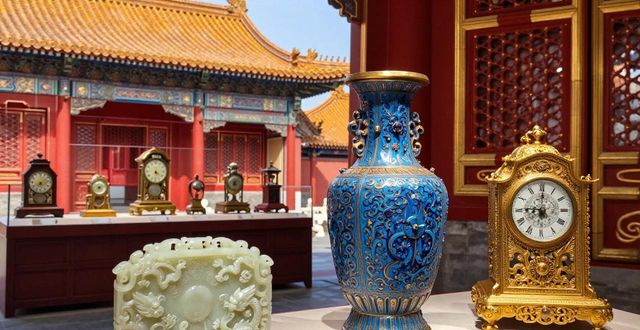
The Palace Museum, also known as the Forbidden City, is far more than a tourist attraction—it is a living chronicle of imperial China. As someone who has guided countless visitors through its gates, I can tell you that understanding a few key details before you go will transform your experience. From its 980 surviving buildings to its over 1.8 million artifacts, this UNESCO World Heritage site holds secrets that most casual tourists miss. In this guide, I’ll share practical tips and little-known insights to help you navigate the museum like a pro and truly appreciate what makes this place extraordinary.
What makes it so special
The Palace Museum served as the home of 24 Ming and Qing emperors over nearly 500 years. Its layout strictly follows ancient Chinese cosmology: the outer court represented imperial power, while the inner court was the emperor’s family sanctuary. Walking through the Meridian Gate, you literally step back into an era when no commoner could even approach these walls. What many don’t realize is that the entire complex was built without a single iron nail—the architects used a sophisticated system of wooden brackets called dougong to withstand earthquakes. The Hall of Supreme Harmony alone covers 2,300 square meters and remains the largest surviving wooden structure in China. Understanding these engineering marvels makes every beam and pillar worth studying.

Beyond architecture, the museum’s collection tells stories of daily palace life. The famed “cloisonné” vases, jade carvings, and gold-plated clocks weren’t just decorations—they were diplomatic gifts, symbols of tribute, and tools for court rituals. One hidden gem is the Hall of Clocks, where European automata still chime on the hour. I always tell my groups to pause at the small side courtyards; these quiet corners once housed eunuchs and concubines, and their brick floors still hold the wear of countless footsteps. The museum’s digital database now lets you zoom into brushstrokes on Song dynasty paintings, but nothing replaces standing before the real thing.
How to skip long ticket lines
Ticket frustration is the number one complaint I hear from visitors. The Palace Museum caps daily admissions at 80,000 people, and during peak seasons like October’s National Day week, tickets sell out within minutes. Here’s my hard-won advice: book exactly seven days in advance through the official “Palace Museum” WeChat mini-program or website. Never trust third-party resellers—they often sell fake QR codes. Tickets cost 60 yuan (April to October) or 40 yuan (November to March), with half price for students and free entry for seniors over 60. Set a reminder on your phone for 8:00 PM Beijing time, when the next batch releases. If you miss the main hall tickets, don’t despair: the separate Treasure Gallery and Clock Gallery tickets (10 yuan each) often remain available longer and give you access to less crowded areas.
Timing your entry matters just as much as securing a ticket. The museum opens at 8:30 AM and stops admitting visitors at 4:10 PM (3:40 PM in winter). The worst crowds surge between 10 AM and 2 PM. I always recommend the 8:30 AM time slot—enter through the East Prosperity Gate near Donghuamen, which has shorter lines than the main Meridian Gate. If you arrive at noon, expect to wait 40 minutes just for security. Another insider trick: enter on a rainy weekday. Most tourists cancel, but the palace’s “golden bricks” (actually a dark clay that rings like metal when tapped) glisten beautifully under wet skies, and you’ll have entire courtyards to yourself.
Which treasures should you not miss
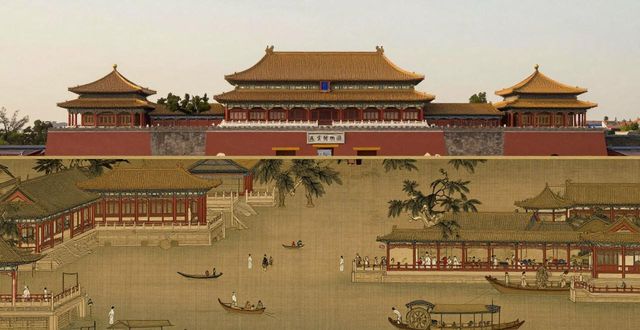
With 1.8 million artifacts, no one can see everything. Focus on three unmissable highlights. First, the Stone Drum (Qin dynasty) in the Hall of Martial Valor—these ten granite drums bear China’s oldest known carved stone poetry. Second, the “Along the River During the Qingming Festival” scroll in the Hall of Literary Brilliance. This Song dynasty masterpiece stretches 5.28 meters and shows over 800 figures, boats, and shops. Because light damages ancient silk, the real scroll is displayed only for a few weeks each autumn; but even the high-resolution digital replica (rotated every three months) reveals details you’d miss in a photo. Third, the Gold-inlaid Jade Tea Set from Emperor Qianlong’s private study—the craftsmanship is so fine that the tea cup walls are just 0.5 millimeters thin.
Don’t ignore the “lower-ranked” halls either. The Hall of Mental Cultivation, where six emperors actually lived and worked, feels more intimate than the grand throne halls. You can still see the scratch marks on the floor from Empress Dowager Cixi’s sedan chair. The Garden of the Compassionate Peace contains a 600-year-old pagoda tree that witnessed the last Ming emperor’s final decree. For families, the children’s activity center near the Palace of Tranquil Longevity offers free workshops where kids can try on miniature armor or paint a porcelain plate. Remember to look up—the nine-beam ceiling paintings in the Hall of Union feature dragons that appear to follow you as you move. That optical illusion is pure Ming dynasty genius.
What is the best time to explore
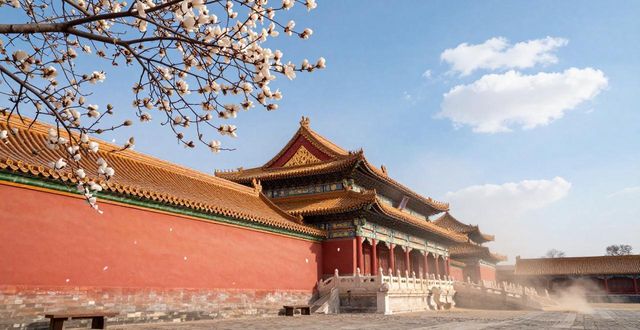
Seasonal timing completely changes your experience. Spring (March to May) brings cherry and magnolia blossoms that frame the red walls perfectly, but be prepared for sudden sandstorms from the Gobi Desert. Summer (June to August) is hot and humid—temperatures often hit 35°C, and afternoon thunderstorms can trap you indoors for hours. However, this is when the moat lilies bloom, and the evening “Night of the Forbidden City” events (held twice a year) open the usually closed halls for night tours under full moon. Autumn (September to early November) is my top pick: the sky turns brilliant blue,the crowds thin after October 10th, and the gingko trees in the Palace of Longevity drop golden leaves onto the marble balustrades. Winter (December to February) is bitterly cold but magical—snow carpets the roofs, and you’ll practically have the outer court to yourself on weekdays.
Time of day also matters. Arrive at opening for soft morning light that illuminates the golden roof tiles. By 11 AM, the central axis becomes a river of tour groups. The best photography spot is the Corner Tower near Jingshan Park at 4 PM, when the setting sun casts long shadows through the hexagonal windows. Avoid Mondays (the museum is closed except for public holidays) and the first three days of Chinese New Year, when crowds exceed 100,000. If you only have two hours, stick to the central axis from Meridian Gate to Gate of Divine Might. With four hours, add the western route’s Hall of Longevity and the eastern route’s Nine Dragon Screen. And always wear comfortable walking shoes—the full loop is 3.5 kilometers.
Have you ever visited the Palace Museum? What was the one artifact or hall that left you speechless? Share your stories in the comments below, and don’t forget to like and share this guide with fellow travelers!