
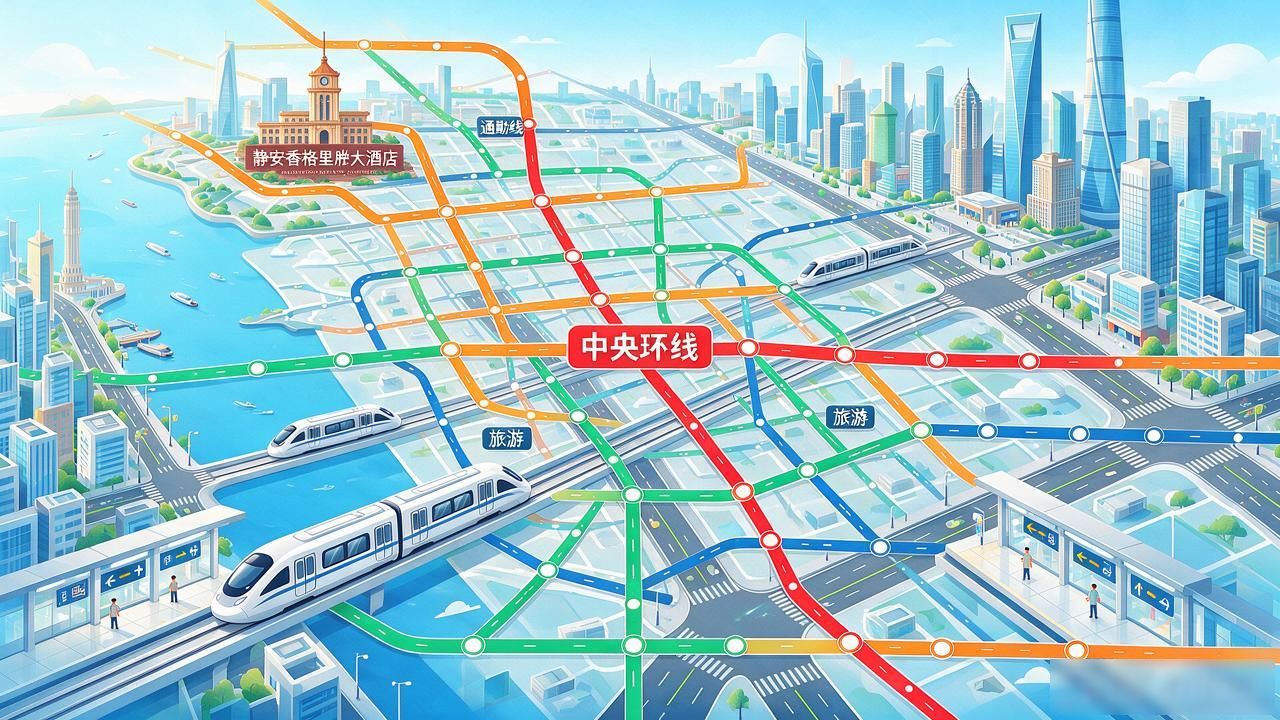
Getting around Shanghai doesn’t have to be confusing. This city runs on a well-connected transit system that most visitors figure out within their first few days. Whether you are navigating downtown districts or exploring the outskirts, understanding your options makes all travel smoother and more enjoyable.
Which Metro Line Should You Use for Your Destination

Shanghai Metro carries millions of passengers daily across its sprawling network of nineteen lines. The color-coded system makes navigation straightforward—each line carries a distinct color plus a number. Lines 1 through 4 form the central loops covering major attractions and business districts. Line 2 runs east-west connecting Hongqiao Airport to Pudong Airport while passing through People’s Square, the heart of downtown. Metro operates from 5:30 AM until midnight, and trains arrive every two to four minutes during peak hours.
The metro app called Metro Dadi provides real-time maps and route planning in both Chinese and English. You can also purchase a one-time transit card at any station for cashless payment across all metro lines and buses. Tourists often prefer this over individual ticket purchases since the card works everywhere and accepts a refundable deposit. Scanning QR codes through Alipay or WeChat Pay has become increasingly common, though these require a Chinese bank account or preloaded balance.
Metro stations feature elevators and escalators, but older stations may lack them entirely. If you carry heavy luggage or travel with small children, allowing extra time for station navigation is wise. Station exits are numbered, and most large stations display neighborhood names in English. Writing these down before heading out prevents confusion when you arrive at your destination.
How to Use Taxis and Ride-Hailing Apps
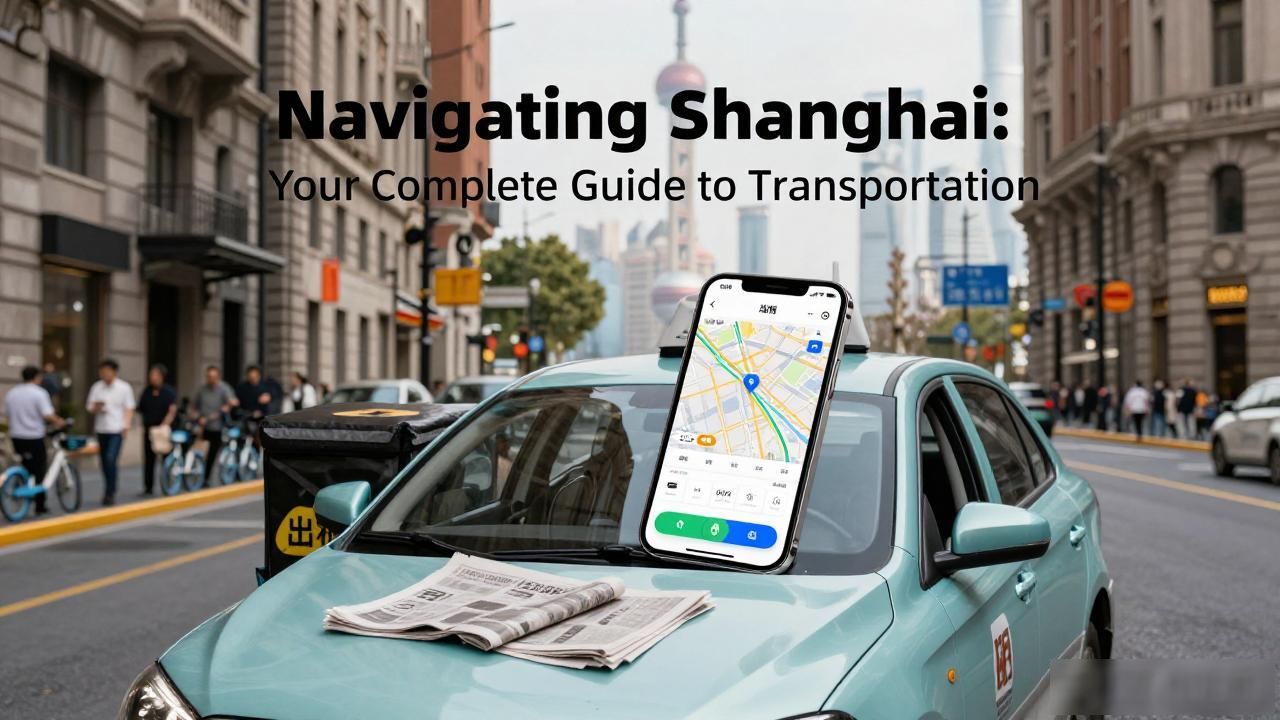
Taxis remain readily available throughout Shanghai, especially near hotels, shopping areas,and transit hubs. Yellow and green vehicles display operational meters and accept cash payments in yuan. Always insist the driver uses the meter rather than negotiating a flat rate, which often results in inflated charges. Green taxi markings indicate newer electric vehicles with air conditioning, making rides noticeably more comfortable during humid summer months.
DiDi operates as China’s equivalent to Uber and dominates the ride-hailing market. The app interface appears primarily in Chinese, but the fare calculator displays estimated costs upfront. Foreign visitors can link international credit cards to the DiDi app, though verifying payment methods before requesting a ride saves frustration later. Pickup locations are precise, and drivers receive your destination coordinates automatically.
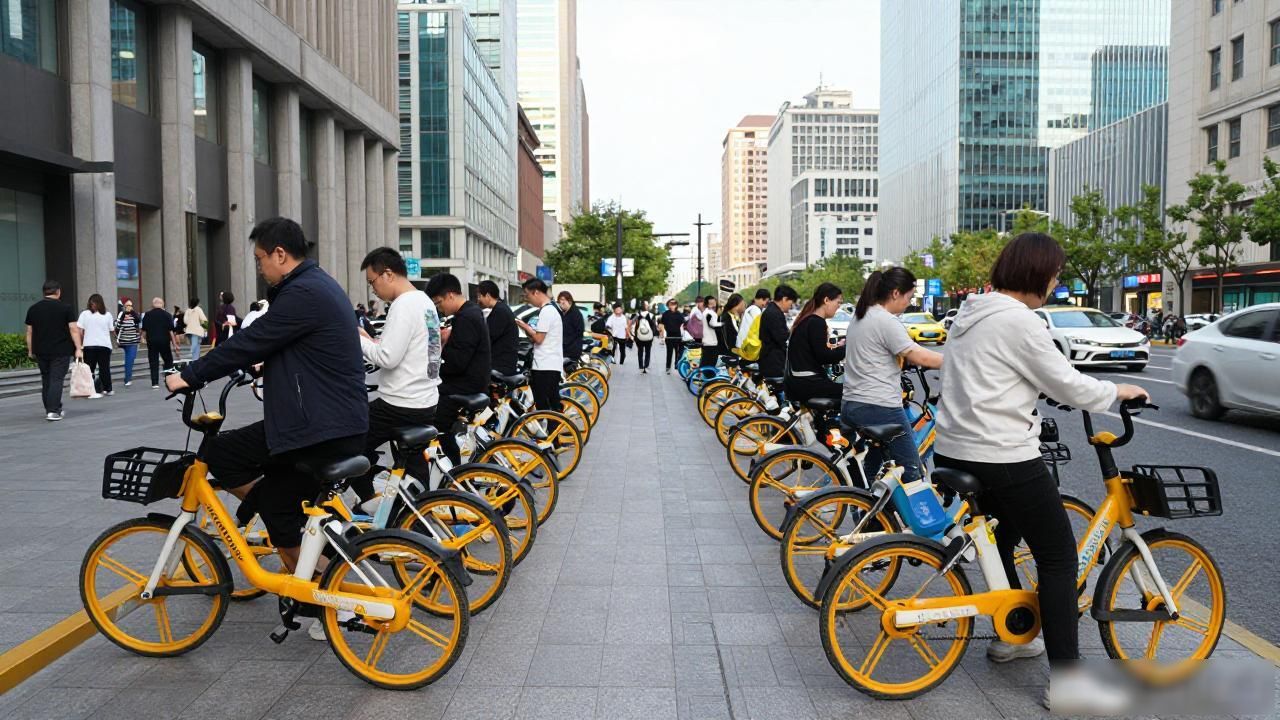
For short distances within busy commercial zones, shared bicycle services provide convenient alternatives. Blue and yellow dockless bikes appear throughout city centers, and scanning QR codes activates rentals through mobile apps. Many tourists find this option refreshing for leisurely exploration of areas like the Bund or French Concession. However, traffic conditions and weather considerations should guide your decision between cycling and motorized transport.
Shanghai’s transportation ecosystem rewards visitors who combine multiple modes rather than relying exclusively on one option. Mixing metro travel with strategic taxi rides covers distance efficiently while preserving budget flexibility for evening outings or airport transfers.