
As a traveler who has wandered through Chongqing’s mist-laced slopes for years, I can tell you that its famous travel landmarks mix wild natural ruggedness and futuristic urban magic you will not find anywhere else in China. No two Chongqing viewpoints deliver the same experience, blending historic local flavor and striking novelty no overseas tourist sees coming before their visit. Most first-time visitors to this mountain city end up leaving with photos that blow up their social media feeds far beyond expectations.
Hongyadong is the viral stunner
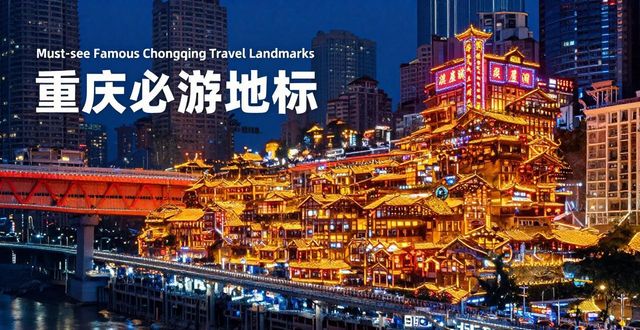
Hongyadong built against steep riverside cliffs captures the internet’s global imagination for all the right reasons. Tiers of wooden stilt houses stack 11 floors up the slope, dotted with glowing red lanterns and warm vintage shop fronts selling spicy Chongqing snacks like crispy chili chips.

Stand at the waterfront opposite the structure once the sun sets, and you will witness thousands of honey-gold and neon signs flicker alive across the complex while the Jialing River carries light reflections toward distant hills. There is even a free viewing platform around 8 PM where local amateur photographers line up to get their perfect shot alongside curious international visitors.
Ciqikou has ancient charm
Ciqikou the 1,000-year-old ancient town traces its origins back to the Song Dynasty’s busy river port communities. Zigzagging flagstone lanes wind down toward the river past century-old wooden teahouses, hand-painted paper umbrella shops, and artisans crafting bamboo carvings right in front of visitors.

You can sit at a wooden outdoor table next to elderly local residents who make a point of greeting foreign travelers, order a steaming pot of jasmine tea and listen to street SichuanOpera troupe perform while people stream past. The best hidden spot is a tiny courtyard tucked away on an alley off the main strip that never gets crowded despite offering unobstructed views of rolling hills blanketed in old green trees.
Eling Park elevated hillside spot
Eling Park perched high on two converging slopes sits right at the meeting point of the Jialing and Yangtze Rivers, completely free to enter every single day of the year. The hillside is dotted with well-maintained pavilions, shaded camphor trees that filter out heavy midday summer heat, and tiny historical museums tracing Chongqing’s time as WWII temporary capital.
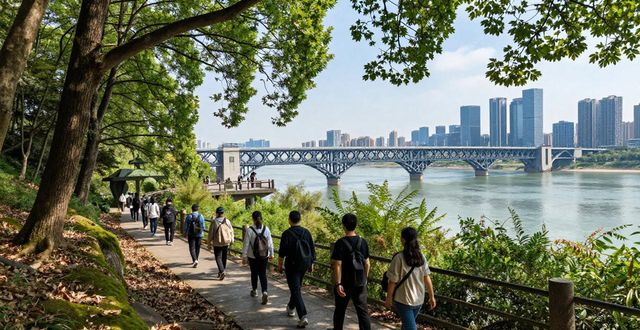
On clear sunny days,you can hike the quiet forest trails up to the highest concrete viewing platform that overlooks three iconic Yangtze River bridges and the glass skyscraper skyline of the Jiangbei district rising directly across the water. There is no entrance line crowds are far thinner than at downtown hotspots, and plenty of small shaded benches for visitors to sit and eat snacks they pick up at nearby street stalls.
Have you mapped out which of these famous Chongqing travel landmarks you want visiting first on your own trip planning checklist?