
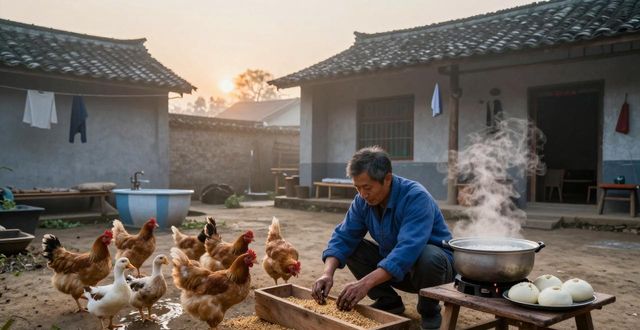
Imagine waking up to the crow of a rooster, the smell of freshly made tofu, and the sound of a family laughing over breakfast. That is the reality of a rural homestay with local families in China. It is not a hotel stay or a packaged tour—it is an immersive experience where you live, eat, and work alongside people whose roots go back generations in the same village. For travelers tired of cookie-cutter hostels and distant sightseeing, this kind of homestay offers something far more valuable: genuine human connection and a window into a way of life that has barely changed for centuries.
What to expect during a rural homestay

Your day will start early,often before sunrise. Most farming families rise at 5 or 6 a.m. to tend to animals, prepare breakfast, or head to the fields. Do not expect luxury—your room may be simple, with a hard bed, a shared bathroom, and no air conditioning. But what you lose in comfort, you gain in authenticity. You might help feed the chickens, pick vegetables from the garden, or learn to make dumplings from scratch. Meals are eaten together at a low table, with dishes like stir-fried greens, rice porridge, and preserved eggs. Be ready to use hand gestures and a translation app, because English is rarely spoken outside big cities.
How to find authentic local families
Finding a real family homestay takes more than a quick online search. Many listings on international platforms are actually small guesthouses run by entrepreneurs, not true family homes. For an authentic experience, look for community-based tourism projects in provinces like Yunnan, Guangxi, or Sichuan. These are often organized by local NGOs or government initiatives that connect travelers directly with willing host families. Another reliable method is to ask at a rural village’s tourism office or stay at a nearby hostel first, then let the staff introduce you to a family. Avoid middlemen who charge high commissions. The best homestays never advertise on global booking sites—they spread by word of mouth.
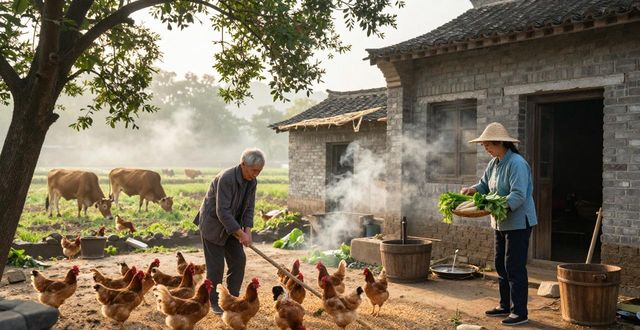
Daily life with a Chinese farm family
Once you settle in, you will notice that daily life follows the rhythm of the seasons. In spring, families plant rice seedlings in flooded paddies; in autumn, they harvest corn and dry chilies on rooftops. You might be invited to join a village wedding, a temple fair, or simply an evening of card games under a single lightbulb. Children will stare at you curiously, then shyly offer you a piece of candy. Grandparents will pour you endless cups of green tea and ask (through gestures) if you are married. Expect no private space—privacy is a Western concept here. But in exchange, you get stories told around a charcoal stove and the chance to learn a few phrases of a local dialect.
Tips for respectful interaction with your host family
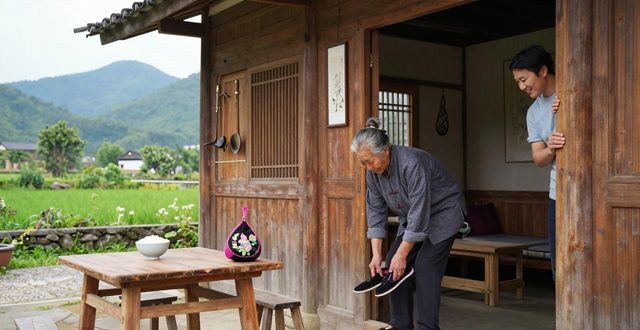
Respect is the currency that makes a homestay work. Always remove your shoes before entering the house. Do not waste food—every grain of rice represents hard labor. If you are given a gift, such as a hand-embroidered pouch or a jar of homemade pickles, accept it with both hands and a slight bow. Offer help without being asked: sweep the yard, wash the dishes, or carry water from the well. Do not take photos of people without permission, especially of elderly family members or inside sacred spaces like an ancestral shrine. Finally, when you leave, write a small thank-you note in Chinese (even broken characters are appreciated) and leave a fair payment—not as a tip, but as a sincere thank-you for opening their home.
Have you ever stayed with a rural family in China or elsewhere, and what was the most surprising thing you learned about their daily life? Share your story in the comments below, and don’t forget to like and share this article with fellow adventure travelers.