
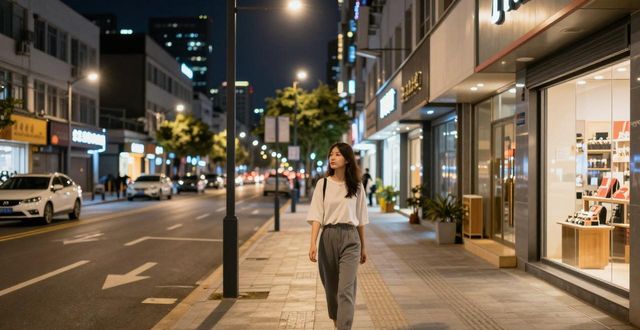
When foreigners ask me “Is China safe?” I understand the concern completely. News headlines often paint a complicated picture, but after living here for several years and traveling across more than a dozen provinces, I’ve developed a very clear answer. China is one of the safest countries I have ever visited, especially when it comes to street crime and personal security. Let me break down the real situation based on daily experiences,from bustling Shanghai to remote villages in Yunnan, so you can make an informed decision for your own trip.
How safe is China for foreigners

Walking alone at midnight in most Chinese cities feels remarkably secure. Street harassment, pickpocketing, and robbery rates are significantly lower than in many Western cities of similar size. I have left my laptop on a café table while using the restroom and returned to find it untouched. Women travelers routinely report feeling comfortable using public transport alone, even late at night. Police presence is visible but not aggressive, and officers typically speak enough English to assist with directions or lost items. Of course, you should still use common sense, but the risk of violent crime targeting foreigners is extremely low.
What about crime and police response
China maintains a dense network of surveillance cameras and regular police patrols, which acts as a powerful deterrent against theft and assault. When a crime does occur, the response time is often under five minutes in urban areas. I have personally witnessed a stolen bicycle being recovered within hours because cameras tracked the thief’s route. Pickpocketing exists in crowded tourist spots like Beijing’s Silk Market or Shanghai’s East Nanjing Road, but this is no different from Paris or Rome. The key difference is that Chinese police take all reports seriously and will actively investigate. Violent crimes such as muggings or armed robbery are exceptionally rare and almost never involve tourists.
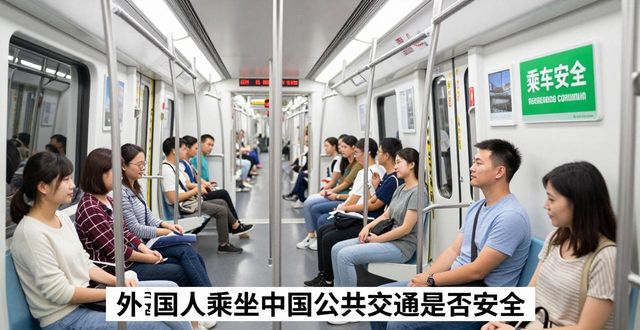
Is public transportation safe for foreigners
China’s metro systems, high-speed trains, and buses are not only efficient but also extremely secure. Every subway station has security checkpoints for bags, and staff monitor platforms constantly. Trains run on time, and overnight sleeper cars have attendants who ensure no unauthorized passengers enter your compartment. I have taken dozens of overnight trains alone, sharing cabins with strangers, and never felt threatened. Taxis and ride-hailing apps like Didi require real-name registration and trip tracking, so drivers know they are being monitored. For solo female travelers, the “share my ride” feature adds extra peace of mind. Compared to the anxiety many feel on the New York subway or London’s night buses, China’s systems feel notably safer.
Food and health safety concerns

Many foreigners worry about food safety after past scandals, but China has completely overhauled its regulations in the last decade. Restaurants face heavy fines and immediate closure if health violations occur, and inspectors make unannounced visits. Street food can be safe if you choose busy stalls with high turnover, just like anywhere in Southeast Asia. Tap water is not drinkable unless boiled, but bottled water costs pennies and is available everywhere. Hospitals in major cities have international wards with English-speaking staff, and pharmacists can provide basic medications without a prescription. For common illnesses like traveler’s diarrhea, Chinese clinics are quick and affordable. The real health risk is air pollution in industrial cities, not crime or unsafe food.
After reading this, what specific safety concern about China still makes you hesitate to book that flight? Share your question in the comments – I answer every traveler’s worry based on real experience. And if you found this helpful, please hit like and share it with anyone planning a trip to Asia.