

For over a decade I have been wandering through China,from the neon-lit streets of Shanghai to the quiet ancient towns in Yunnan. One question follows me everywhere: Is China safe for foreigners? The short answer is yes, very. But a few important details deserve attention before you book your flight.
Is China dangerous for foreign visitors
Walking alone at night in a Chinese city never felt unsettling to me. I have strolled through back alleys in Chengdu, taken late-night taxis in Hangzhou, and still felt completely secure. Violent crime against tourists is extremely rare. Petty theft can happen in crowded tourist areas, but even that is less frequent than in many European capitals.

China’s public transport network is one of the safest in the world. High-speed trains connect every major city, and metros in cities like Beijing and Shanghai are spotless, efficient, and heavily monitored. You will see cameras everywhere, and this system deters most criminal activity before it starts.
That said, pickpockets do exist. Markets, bus stations, and popular scenic spots attract crowded conditions where distraction theft can occur. Keep your belongings close, use a money belt if needed, and do not leave bags unattended at restaurants. This is basic travel awareness, not a reason to avoid the country.
What should I worry about before traveling to China
The biggest hurdle for most travelers is not safety but language. Outside Tier-1 cities, English is rarely spoken. Download a translation app like HiTranslate or Baidu Translate before you go. Having your hotel address written in Chinese characters on your phone saves countless awkward moments when showing it to a taxi driver.
Cash is becoming less common, but carrying some physical yuan is wise. WeChat Pay and Alipay dominate daily transactions, and setting up mobile payments with a foreign card can be tricky. I recommend arriving with about 2,000 to 3,000 yuan in cash and gradually learning the digital payment system as you go.
Internet access requires awareness. Certain global platforms like Google, WhatsApp, and Instagram are blocked in mainland China. A reliable VPN lets you stay connected to the services you rely on, though its effectiveness can fluctuate. Book accommodations through established platforms like or Agoda, and always double-check reviews from international travelers.
Are there hidden dangers I should know about
Scams targeting foreigners do exist, though they are nowhere near as widespread as some travel forums suggest. The most common involves inflated prices at tourist sites, especially in places like Wangfujing Street in Beijing or the ancient town of Lijiang. Vendors may quote prices in yuan but expect foreign currency. Politely insist on paying in local currency and confirm prices before any purchase.
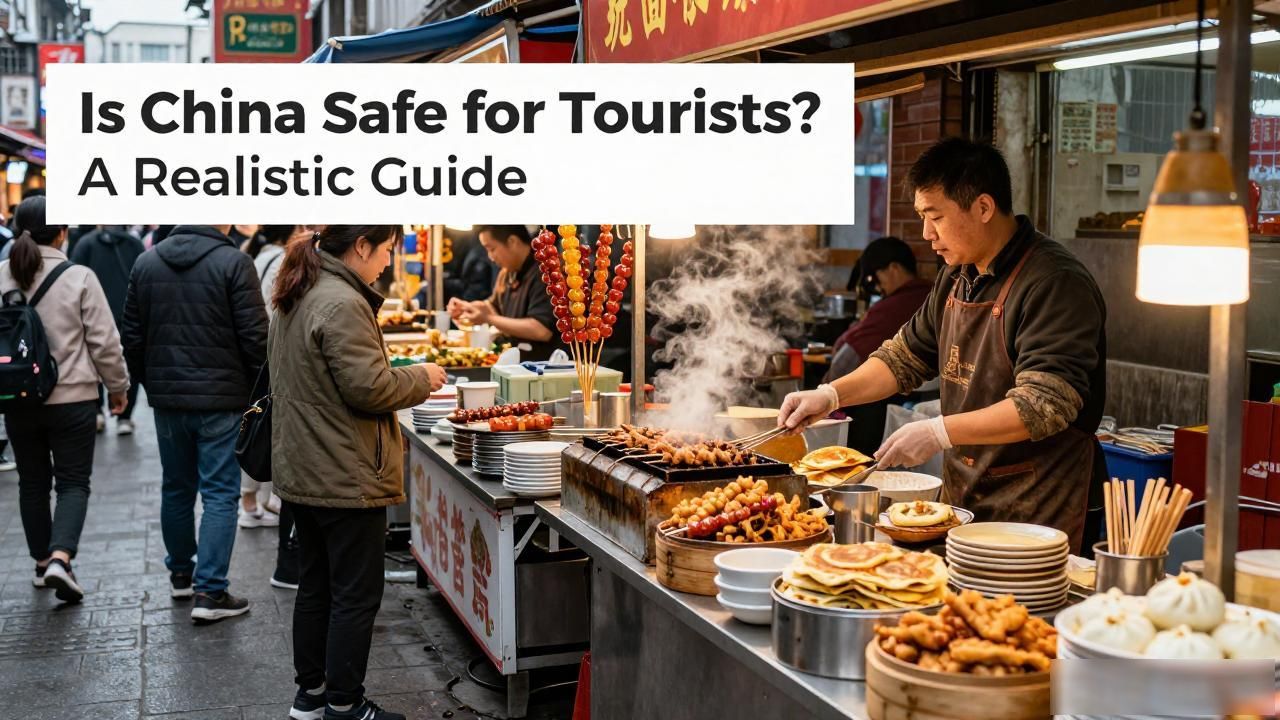
Food safety is another topic that worries first-time visitors. Street food in China is incredibly diverse and generally safe when you choose busy stalls with high turnover. Avoid raw or undercooked items if you have a sensitive stomach, and stick to bottled water. Most travelers experience no issues at all, but being cautious with certain raw foods prevents unnecessary stomach troubles.
The natural environment poses more risk than any person. China’s size means dramatic weather variations across regions. Always check local forecasts before hiking or visiting remote areas. Earthquakes are rare in populated zones but possible in western provinces, so familiarize yourself with basic emergency procedures.
China remains one of the most welcoming and secure destinations for independent travelers. The people you meet will often go out of their way to help, even when language barriers exist. Prepare properly, stay alert in crowded spaces, and you will discover a country that rewards curiosity and respect.