
Shenzhen is China’s most dynamic city, a place where futuristic skylines rise beside fishing villages and creative parks breathe new life into old warehouses. For travelers seeking something beyond the typical tourist trail, this city delivers experiences you won’t find anywhere else on Earth. It started as a small fishing town fifty years ago and exploded into a megacity overnight, creating a cultural mix that is equal parts experimental art, cutting-edge technology, and deeply rooted Cantonese tradition.
What Makes Shenzhen Worth Visiting

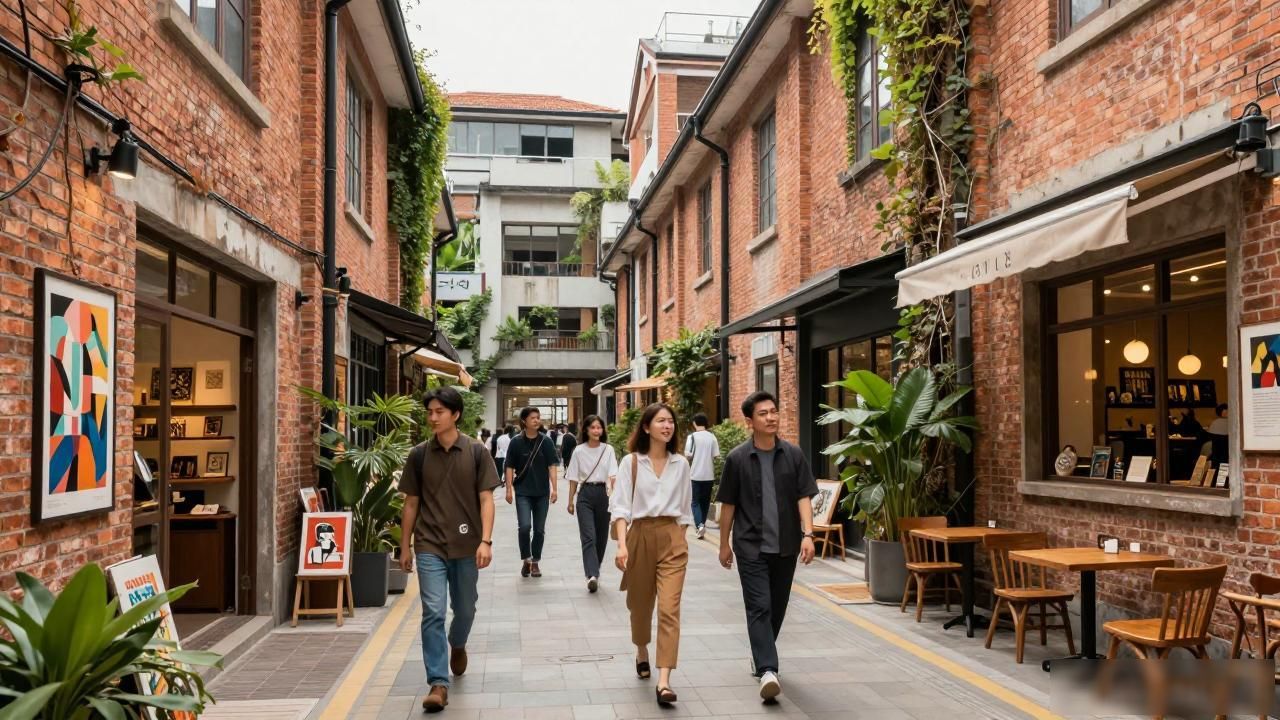
Shenzhen might surprise you with its cultural depth. The OCT-LOFT creative park sits inside a former industrial zone, now filled with independent galleries, vintage shops, and coffee bars that attract designers from across Asia. Walking through its brick-lined streets feels like stepping into a Berlin neighborhood transplanted onto the southern Chinese coast. The ambient energy here is unmistakable, drawing young creatives who see Shenzhen as a canvas rather than a finished product.
Marine World at Yantian offers a completely different rhythm. Built along the coastline in the 1990s, this themed park once drew millions of visitors each year. Though its popularity has faded slightly, the oceanarium remains one of the largest in southern China, housing thousands of marine species. The surrounding promenade, stretching toward Dapeng Fort, provides sweeping views of the South China Sea and makes for an excellent evening stroll away from the crowds.
For architecture enthusiasts, the Pearl River Delta coastline near Dameisha and Xiaomeisha delivers golden sandy beaches that rival those found further south in the province. Weekend visitors flood these shores from Hong Kong and Guangzhou, turning the coastline into a lively social scene rather than a quiet retreat. The contrast between urban Shenzhen and these natural coastal escapes defines much of what makes visiting here memorable.
Where Should You Go in Shenzhen
Dapeng Ancient Fort, a Ming Dynasty fortification dating back to 1393, anchors the eastern tip of Shenzhen and tells the story of coastal defense in imperial China. Stone walls wrapped in ivy, watchtowers overlooking emerald waters, and narrow alleyways lined with local eateries create an atmosphere that time seems to have gently preserved. The nearby Dapeng Night Market comes alive after sunset, offering oyster omelets, sugarcane juice, and grilled squid that capture the authentic flavor of Guangdong street food.
Splendid China Folk Village and Window of the World may seem like theme parks at first glance, but they house genuine cultural significance. Window of the World recreates famous landmarks from around the globe at a fraction of the cost,while the Folk Village showcases the traditional architecture and customs of China’s fifty-six ethnic groups. These attractions give international visitors a surprisingly comprehensive introduction to Chinese culture in a single afternoon. The mini Eiffel Tower at dusk, illuminated against the Shenzhen skyline, creates one of those unexpectedly beautiful moments that no guidebook prepares you for.
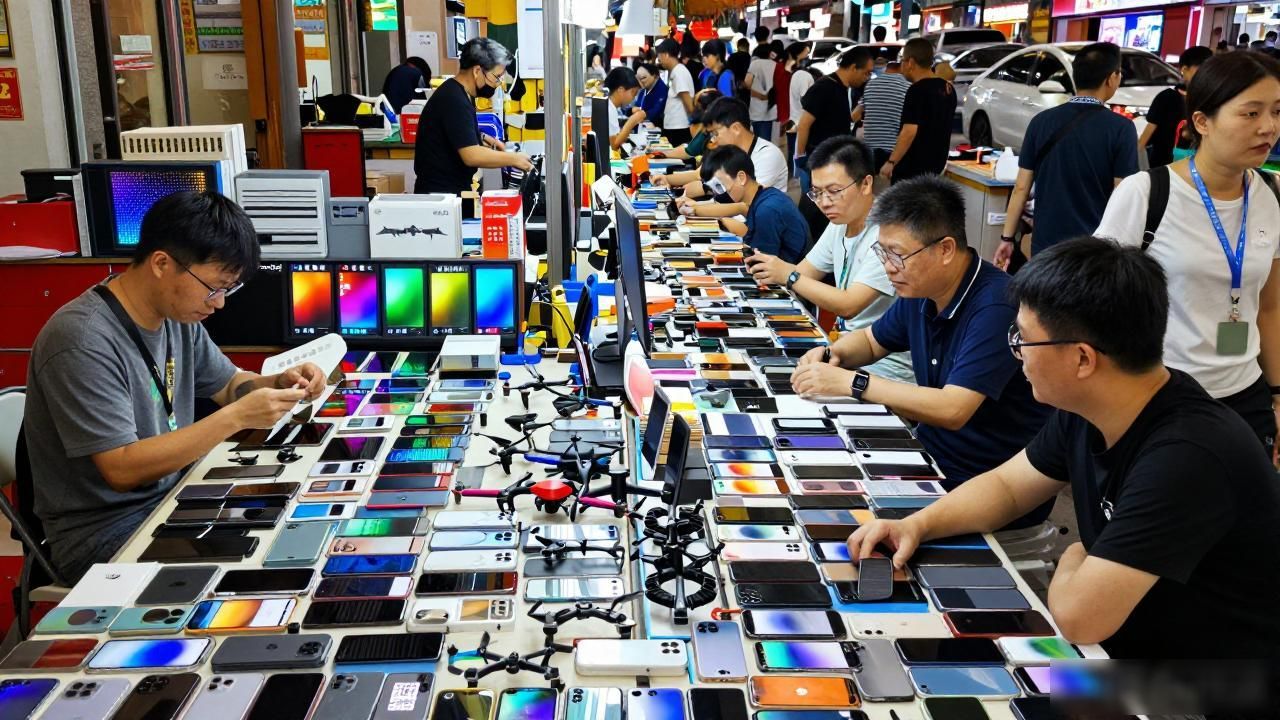
Huaqiangbei Electronics Market, often called the electronics capital of the world, pulses with a different kind of energy. Rows upon rows of stalls spill over with smartphones, drone components, LED displays, and obscure gadgets that hint at Shenzhen’s role as the hardware innovation capital of the planet. Even without buying anything, walking through this maze offers a visceral sense of how fast technology moves in modern China and why every major tech company maintains a presence here.
Exploring Shenzhen reveals a city that refuses to be categorized. It is simultaneously futuristic and traditional, industrial and artistic, fast-paced and unexpectedly relaxed. The real reward lies in wandering without a rigid itinerary, letting curiosity guide you toward whichever corner of this remarkable city catches your attention next.