
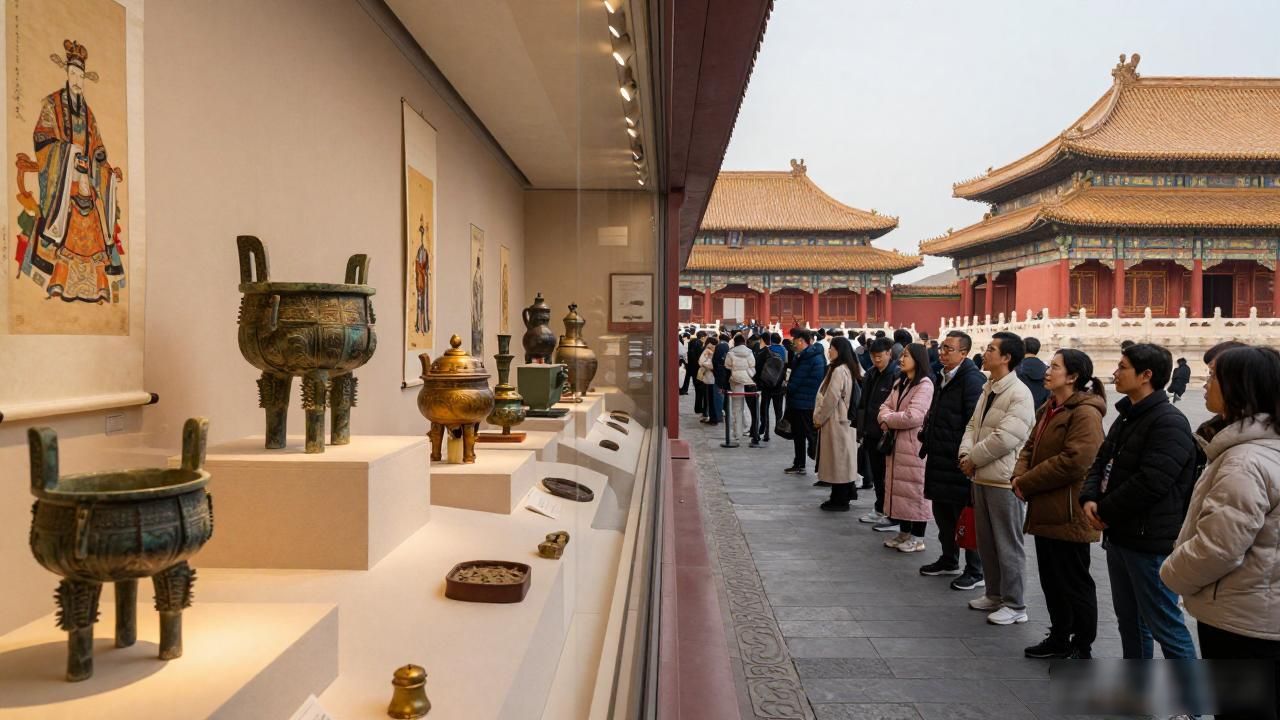
The Palace Museum in Beijing holds over 1.86 million cultural relics spanning the Ming and Qing dynasties. For a first-time visitor from abroad,the sheer volume can feel almost paralyzing. This piece cuts through the noise: what genuinely sets these holdings apart from a European art museum, and where you will actually find them on a two-hour walkthrough.
What makes Palace Museum collection unique

Unlike Western museum collections that group items by era or artist, the Palace Museum collection was assembled by emperors for private, ritual, and administrative use, then handed to the public in 1925. That single fact reshapes how you read every object. A ceremonial bronze ding in the East Wing was not cast for display; it was hammered out for a state sacrifice. A jade bi disc in the Western Palace was meant to be gripped by a court official during a coronation. When you stand before a Kangxi-era blue-and-white plate, you are looking at something that once sat on a banquet table, not behind plexiglass.
The curation logic also breaks the “masterpiece room” habit. Objects sit in the halls where the emperors originally kept them. A narrow corridor in the Eastern Palace might hold an astronomical chart bolted to the ceiling, a lacquered sutra box on a shelf, and a bronze incense burner on the floor. You walk through the palace the way the emperor walked through it, which means no two halls follow the same visual rhythm.
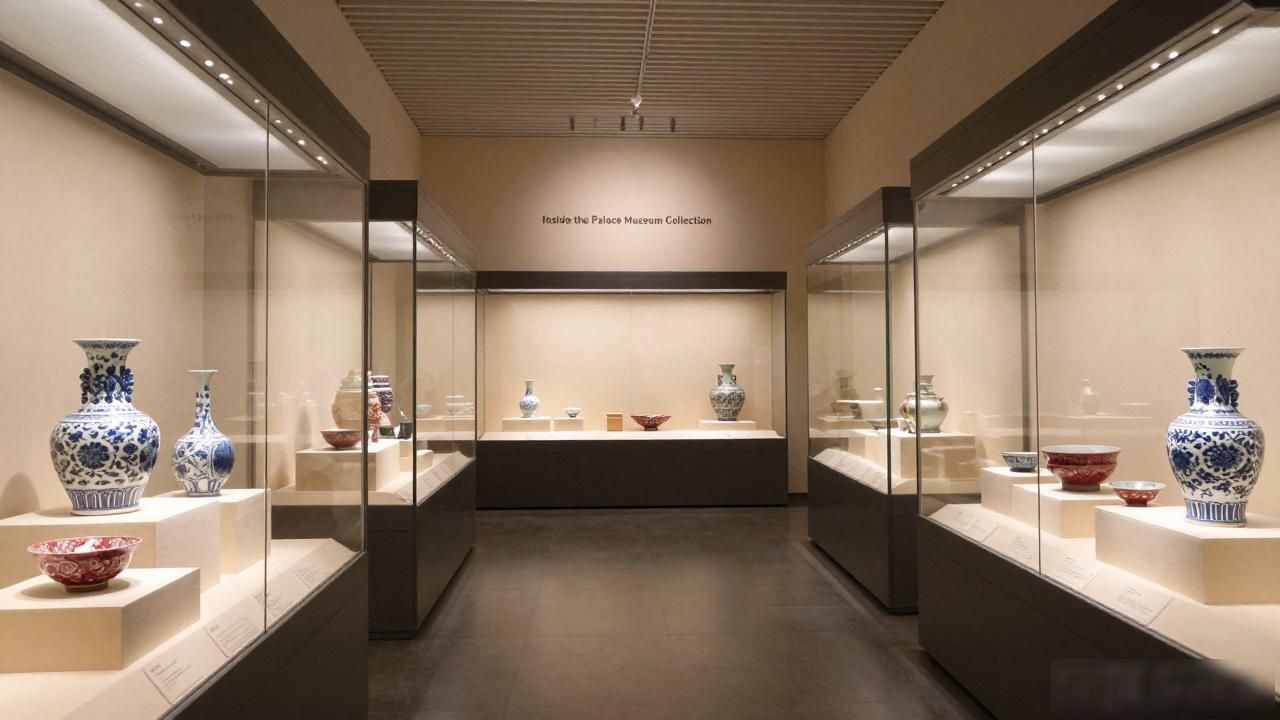
Where to find Palace Museum collection
The two core rotation halls—Hall of Treasures in the Eastern Palace and the Clocks and Watches Gallery in the Western Palace—swap major pieces roughly every two to three years. If you specifically want the imperial gold and jade jewelry, the enameled glass vessels, or the Qianlong-era clock collections, check the museum’s English-language rotation calendar before you fly to Beijing. Miss the window and you wait for the next cycle.
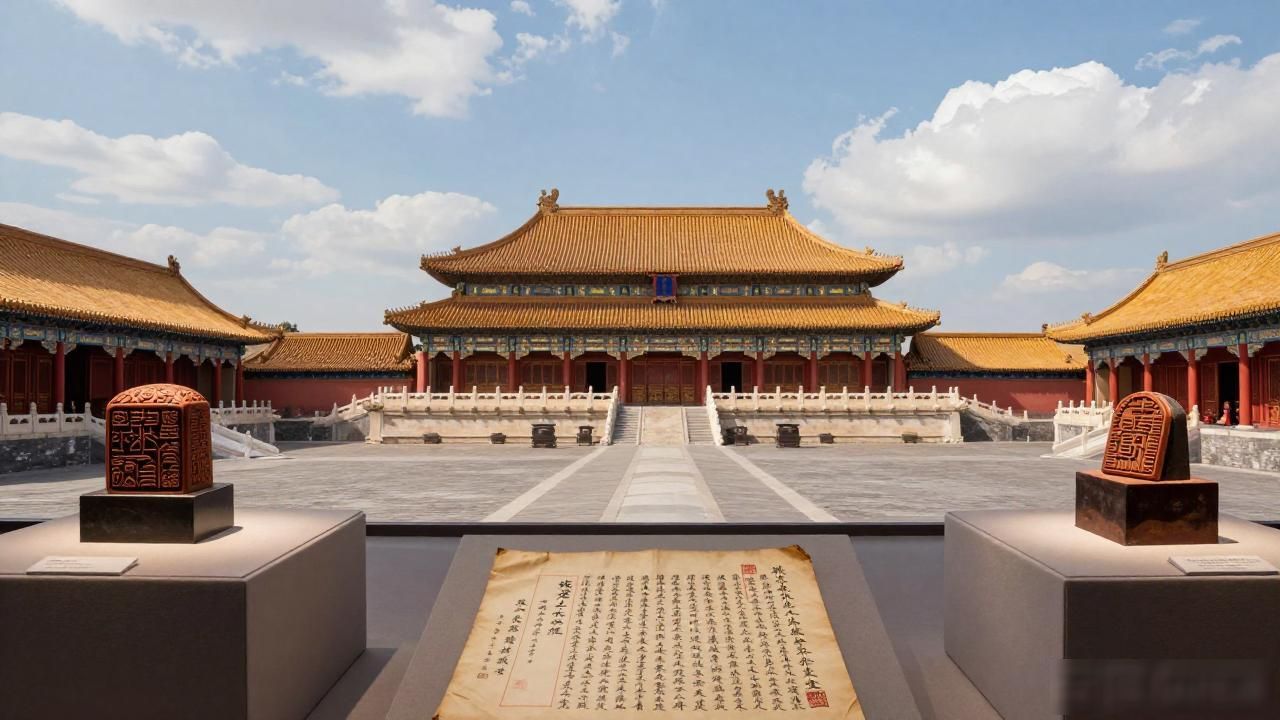
For a tighter itinerary, the permanent displays along the central axis, from the Hall of Supreme Harmony through the Hall of Literary Glory, carry the historical spine of the story. The quieter side corridors hold the intimate pieces: personal seals of the Qing empresses, draft edicts still bearing the emperor’s scrawled corrections, and tribute textiles shipped in from Xinjiang, Tibet, and the southern trade ports.
Pack a small notebook. The English labels are functional but brief, and the real story—why an object was made, who handled it daily, how it survived the 1900 Boxer looting—lives in the spaces between plaques. That is where the collection stops being a museum and starts being a palace that never closed its doors.