
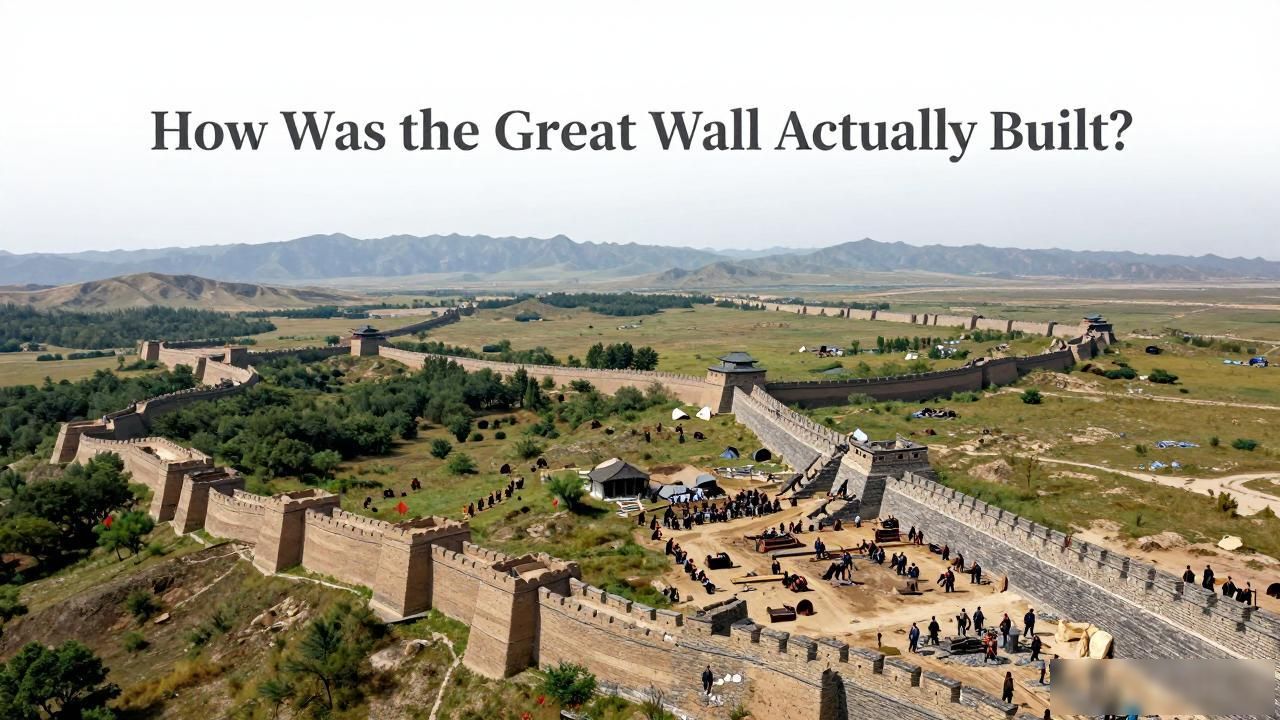
The Great Wall of China is often mistaken for a single, continuous structure built during one dynasty. In reality, it is a vast network of walls, trenches, and natural barriers constructed over two millennia. This architectural marvel was not just a physical barrier but a complex system of defense, communication, and trade regulation. Understanding its construction reveals the immense logistical challenges and human cost involved in unifying such a diverse empire under one defensive line.
Why Did Ancient China Build the Great Wall?

The primary motivation behind these fortifications was protection against nomadic tribes from the northern steppes, particularly the Xiongnu. Early states began building separate walls to defend their borders, but it was Emperor Qin Shi Huang who first connected them after unifying China in 221 BC. These early connections were crude, relying heavily on existing terrain like hills and rivers to minimize labor. The wall served as a psychological and physical deterrent, signaling the power and reach of the Chinese empire to those beyond its borders.
Beyond military defense, the wall played a crucial role in controlling trade along the Silk Road. It allowed the imperial government to monitor goods, collect tariffs, and regulate the movement of people. Soldiers stationed at watchtowers could signal impending raids using smoke by day and fire by night, creating an early warning system that spanned thousands of miles. This infrastructure was vital for maintaining stability in regions that were otherwise vulnerable to sudden incursions.
What Materials Were Used in Construction?
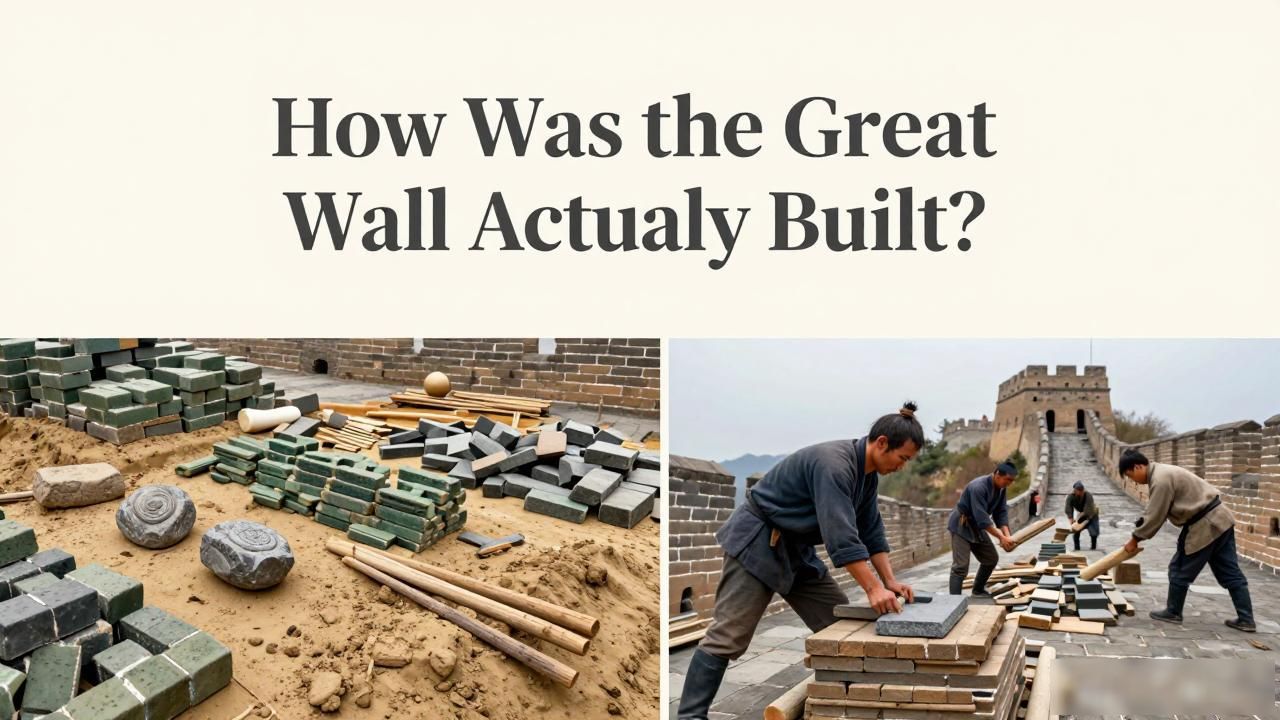
Contrary to popular belief, most sections of the Great Wall were not built with granite or marble. Builders used whatever materials were locally available, which varied significantly across different regions. In mountainous areas, stones were quarried and stacked. In the loess plateau, earth was rammed into wooden frames to create sturdy walls. In the desert regions, reeds and gravel were layered with willow branches to withstand erosion. This adaptability was key to the wall’s longevity.
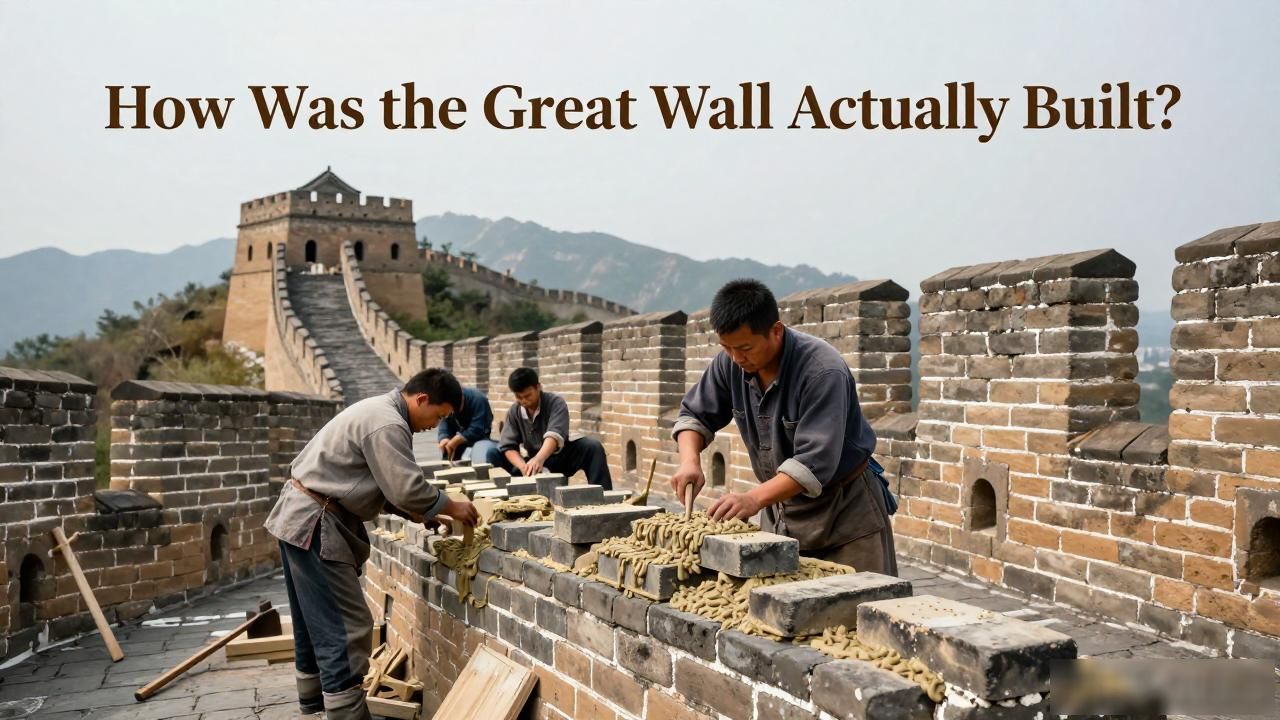
The use of sticky rice mortar in Ming Dynasty structures is a fascinating example of ancient engineering innovation. Mixed with slaked lime,this organic-inorganic composite created a binding agent stronger than modern cement in some aspects. It allowed bricks to be laid more efficiently and provided resistance to weathering. The sheer scale of production required millions of tons of brick and stone, transported by human labor and animals over difficult terrains. This effort highlights the organizational capacity of the state, though it came at a tremendous human cost.
Many workers died during construction due to harsh conditions, disease, and accidents. Their bodies were sometimes buried within the walls themselves, earning it the nickname “the longest cemetery on Earth.” Despite the tragedy, the wall stands as a testament to human perseverance and strategic ingenuity. It remains a symbol of national identity and resilience, attracting millions of visitors who walk its paths to connect with history.