
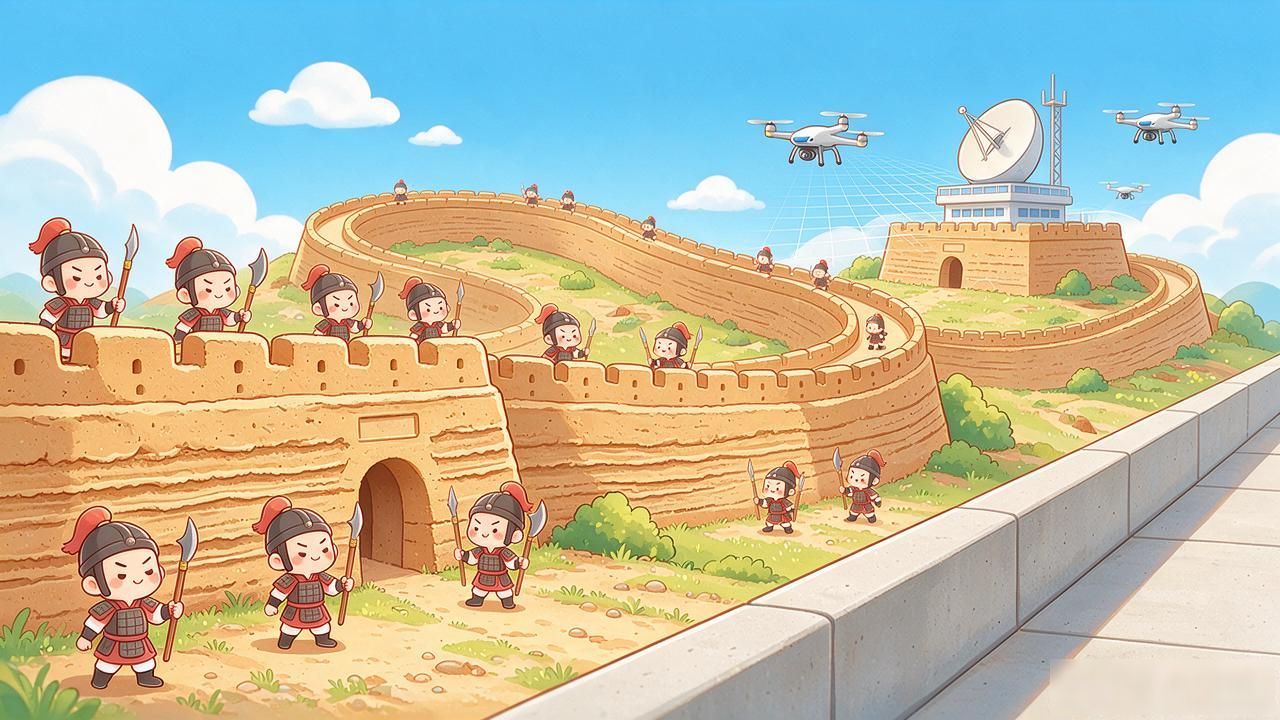
The Great Wall is one of the most iconic structures in human history, stretching thousands of miles across northern China. Yet despite its fame, most people know very little about how it was constructed. The truth is far more fascinating — and complicated — than any textbook summary can capture. This article explores the real story behind the Great Wall’s construction, from the materials used to the people who built it.
What Was the Great Wall Made Of

The image most people carry in their minds is of a massive stone wall. In reality, the materials varied dramatically across different sections and dynasties. The earliest walls,built during the Spring and Autumn period and later unified under Qin Shi Huang, were constructed primarily from rammed earth and wood. Workers packed layers of soil, gravel, and straw between wooden frames, compacting them until they formed solid barriers. It was not until the Ming Dynasty, centuries later, that brick and stone became the dominant building materials.
Ming-era builders used locally quarried granite and limestone for the base and outer facing. The interior fill consisted of gravel, soil, and rubble. One remarkable innovation was the use of sticky rice mortar — a mixture of glutinous rice soup and slaked lime that created an incredibly strong adhesive. Archaeological testing has shown this ancient recipe was far superior to ordinary mortar, contributing significantly to the wall’s remarkable durability over the centuries.
How Were Materials Transported
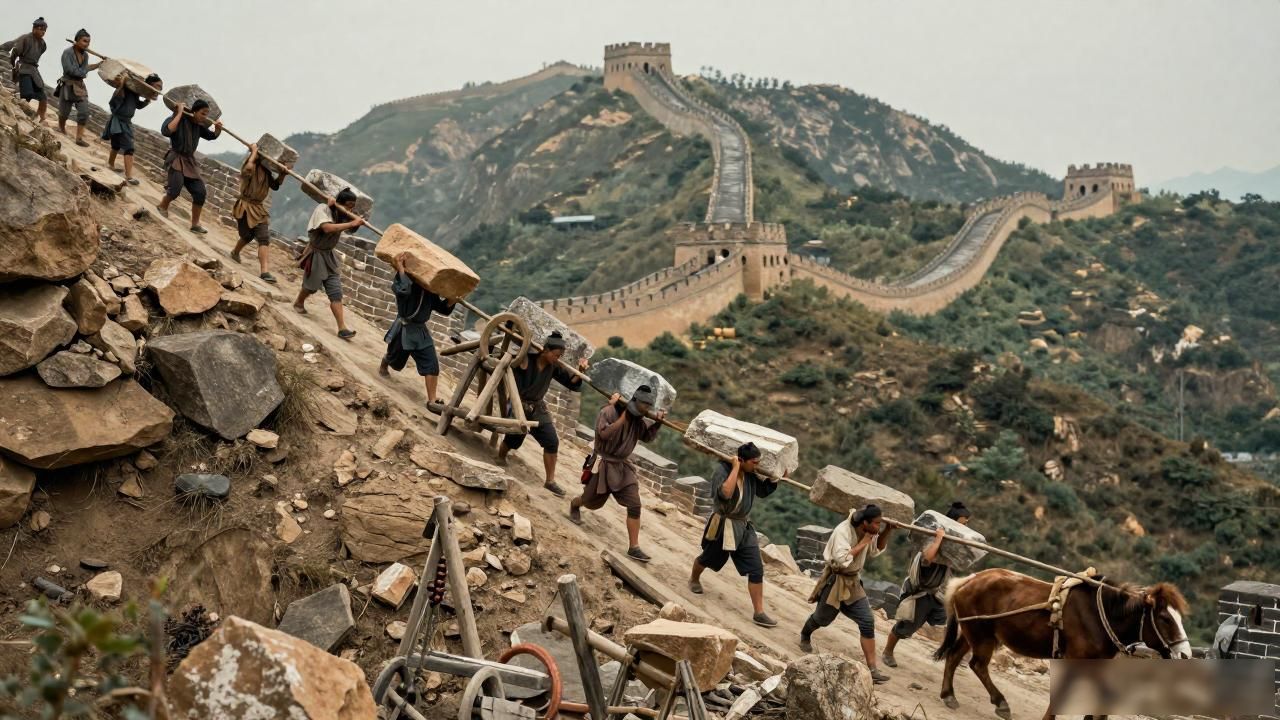
Moving massive stones up steep mountain ridges without modern machinery seems almost impossible. Historical records suggest workers relied on a combination of human labor, animal transport, and simple mechanical devices. Men and women carried materials in baskets balanced on poles slung over their shoulders, forming long human chains along winding mountain paths.
For heavier loads, workers likely used sledges, rollers, and inclined planes carved into the rock faces. Some historians believe temporary ramps made of wood and earth were constructed to help drag stones uphill. The sheer number of people required for such operations is staggering. Entire villages were mobilized, and the logistical challenge rivalled that of many ancient military campaigns.
Who Built the Great Wall
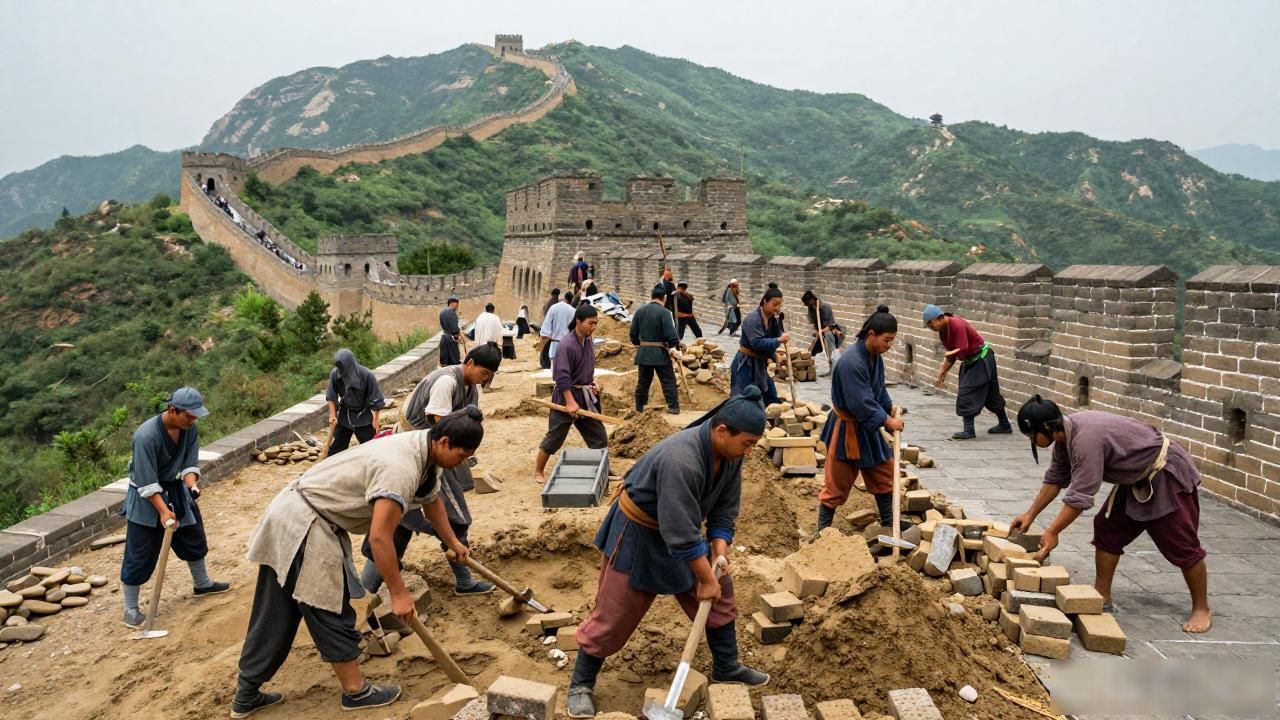
The workforce behind the Great Wall came from all levels of society. Soldiers formed the backbone of construction crews, especially during the Ming Dynasty when military garrisons were stationed along the wall. But peasants and convicted criminals also made up significant portions of the labor force. Corvée labor — mandatory service demanded by the state — forced ordinary families to contribute workers for months or even years at a time.
Conditions were brutal. Workers faced extreme weather, malnutrition, and dangerous accidents. Many perished during construction, and some accounts describe bodies being walled into the structure itself. While this practice may be exaggerated by later propaganda, the mortality rate was undoubtedly high. Over successive dynasties, an estimated millions of people contributed to various sections of the wall, making it arguably the largest construction project ever undertaken by human hands.