
Navigating China’s expanding high-speed rail system without a visa is no longer a complex logistical puzzle but a streamlined experience for eligible travelers. The recent policy adjustments have significantly lowered the barrier to entry, allowing citizens from over fifty countries to enter China for short stays and utilize the nation’s extensive railway infrastructure with ease. This shift represents a major step towards tourism accessibility, turning what was once a daunting bureaucratic process into a simple matter of booking tickets and boarding trains. For international visitors, understanding which stations support this seamless entry and how the digital integration works is crucial for a smooth journey across the country.
Can I take high speed train with visa free entry?

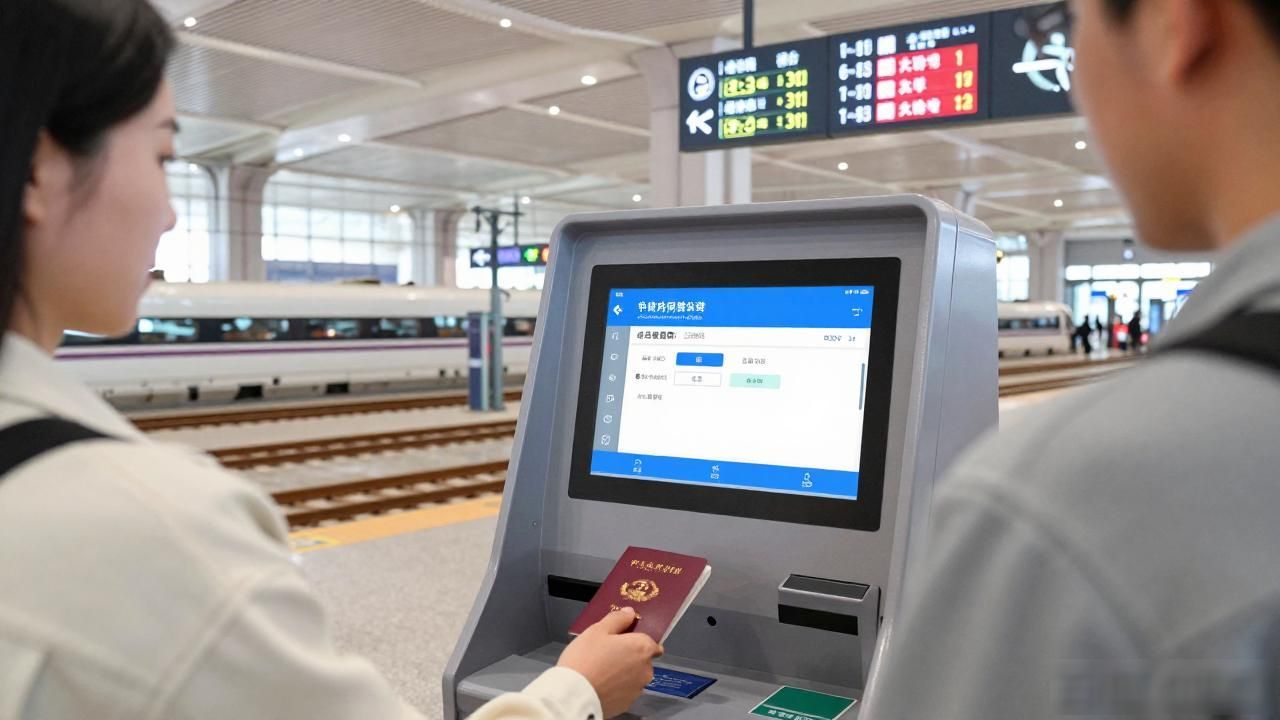
The integration between border control and railway ticketing systems has reached a new level of sophistication. Travelers entering under the visa-free policy can now use their eligible passports directly at major hub stations like Beijing South, Shanghai Hongqiao, and Guangzhou South to purchase and collect physical tickets or simply scan their passport at automated gates. The system recognizes the entry stamp associated with the visa-free stay, validating the ticket instantly. This means that the traditional requirement of visiting a service window for visa verification before train travel has largely disappeared in key metropolitan areas.
However, it is important to note that this convenience is not uniform across all smaller stations. While major intercity hubs are fully equipped, some remote or older stations may still require manual verification. Travelers are advised to arrive early at less familiar stations to allow time for staff assistance if the automated system encounters an issue. The technology is robust in tier-one cities, ensuring that business travelers and tourists alike can rely on the punctuality and efficiency of the high-speed network without fear of being stranded due to documentation glitches.

Which cities offer easiest rail access for foreigners?
Certain cities have positioned themselves as primary gateways for visa-free travelers, offering the most intuitive experiences. Shenzhen, for instance, serves as a critical link for those arriving from Hong Kong or Macau, with dedicated fast-track lanes at the border that connect directly to high-speed platforms. Similarly, Chengdu and Hangzhou have upgraded their international service counters to specifically handle visa-free entry passengers, providing multilingual support that is often lacking elsewhere. These cities act as test beds for the broader national rollout, ensuring that the infrastructure is traveler-friendly.

For those planning multi-city itineraries, the connectivity between Beijing, Shanghai, and Guangzhou forms a golden triangle that is exceptionally well-supported. Trains running along these routes frequently stop at stations where English signage and digital interfaces are standard. This makes it possible to book return tickets online via Chinese apps or international travel platforms that have partnered with the railway corporation. The ease of access in these core economic zones encourages longer stays and deeper exploration,as the friction of getting around is minimized compared to previous years.
Ultimately, the goal of these initiatives is to make China’s vast landscape accessible to a global audience. By focusing on the main entry points and major transit hubs, the railway authorities have created a reliable backbone for visa-free tourism. Travelers should remain vigilant about expiration dates of their visa-free status and ensure their passport validity aligns with the regulations. With careful planning and an understanding of the current technological capabilities, exploring China by rail becomes not just feasible, but an enjoyable part of the travel experience.