
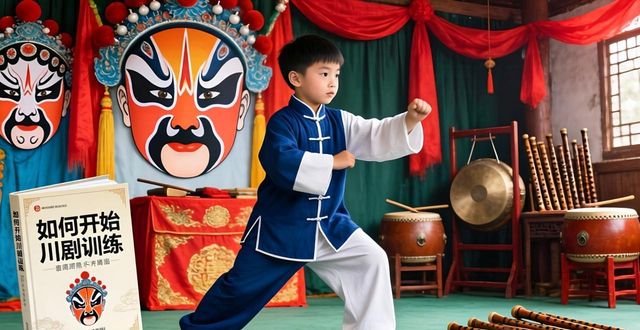
Sichuan Opera, or Chuanju, is one of China’s most distinctive performing arts, famous for its face-changing (Bian Lian), fire-spitting, and lively comedy. For foreigners interested in learning this ancient craft, finding the right training approach can be challenging. This guide breaks down the essentials of Sichuan Opera training, from basic techniques to cultural immersion, helping you start your journey with confidence.
What skills do you need for Sichuan Opera training

Unlike Western opera, Sichuan Opera demands a unique blend of vocal control, acrobatic movement, and emotional expression. Beginners often underestimate the physical conditioning required. You’ll need to develop strong core muscles for tumbling and controlled falls, flexible joints for exaggerated gestures, and precise breath support for sustained singing. Most training schools in Chengdu start students with daily stretching and basic martial arts stances. Vocal training focuses on nasal resonance and rapid pitch changes, which feel unnatural to Western singers. Expect at least three months of foundation work before touching any performance techniques. Without these basics, advanced skills like face-changing remain impossible.
How long does it take to learn face changing
Face-changing, or Bian Lian, is the most sought-after skill but also the most protected. Traditionally, masters only taught it to family members or sworn disciples after years of observation. Today, some professional schools offer introductory courses, but mastery still takes five to seven years. The technique involves deftly pulling layers of painted silk masks off the face using hidden threads or springs. Students first practice with oversized masks on a dummy head, then progress to wearing a single mask while performing basic movements. Adding multiple masks (up to ten in a few seconds) requires perfect timing and distraction skills. Many foreign learners spend two years just learning to change one mask reliably on stage. Remember that authentic training also covers why each mask color represents a specific emotion—red for loyalty, black for integrity, white for cunning. Without this cultural context, the trick remains just a trick.
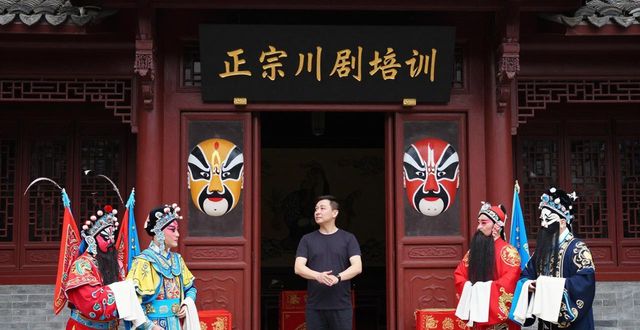
Where can foreigners find authentic Sichuan Opera training
Most reputable training centers are in Chengdu,the birthplace of Sichuan Opera. Avoid tourist-oriented “crash courses” that promise face-changing in a weekend—they teach only prop handling without real performance value. Instead, look for schools affiliated with provincial opera troupes, such as the Sichuan Vocational College of Art or private studios run by retired masters. These institutions offer structured programs ranging from three-month cultural experiences to three-year diplomas. Some masters accept foreign students through personal referrals, so attending local opera performances and respectfully approaching performers after shows can open doors. Online resources are limited because much training is oral and hands-on. Be prepared for language barriers; even in professional schools, English instruction is rare. Learning basic Mandarin phrases like “please correct my posture” (qing zhizheng wo de zishi) will earn you respect.
Is Sichuan Opera training suitable for adults
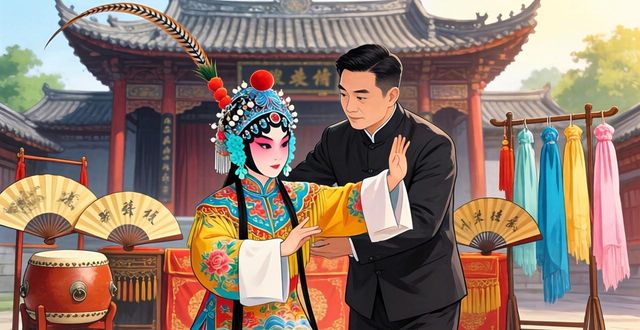
Many foreigners assume they must start as children, but adult learners bring advantages like body awareness and discipline. The main challenge is joint flexibility—knee bends and waist twists common in Sichuan Opera can strain untrained adult bodies. However, modified training programs exist for mature students, emphasizing slower progression and injury prevention. Adults also grasp the theatrical and historical context faster than children, which enriches their performance depth. Several Chengdu schools now offer “evening classes for international enthusiasts” focusing on performance basics rather than professional certification. A 45-year-old architect from Germany recently completed a six-month course and successfully performed a short comedic role in a student showcase. While you likely won’t become a master, consistent practice over two years can make you competent enough to perform at cultural festivals back home.
Now I’d love to hear from you: Which aspect of Sichuan Opera fascinates you the most—the face-changing magic, the fire-spitting stunts, or the comedic acting? Share your thoughts in the comments, and if this guide helped you, please like and pass it on to fellow culture explorers. Your engagement helps more people discover this incredible art form.