
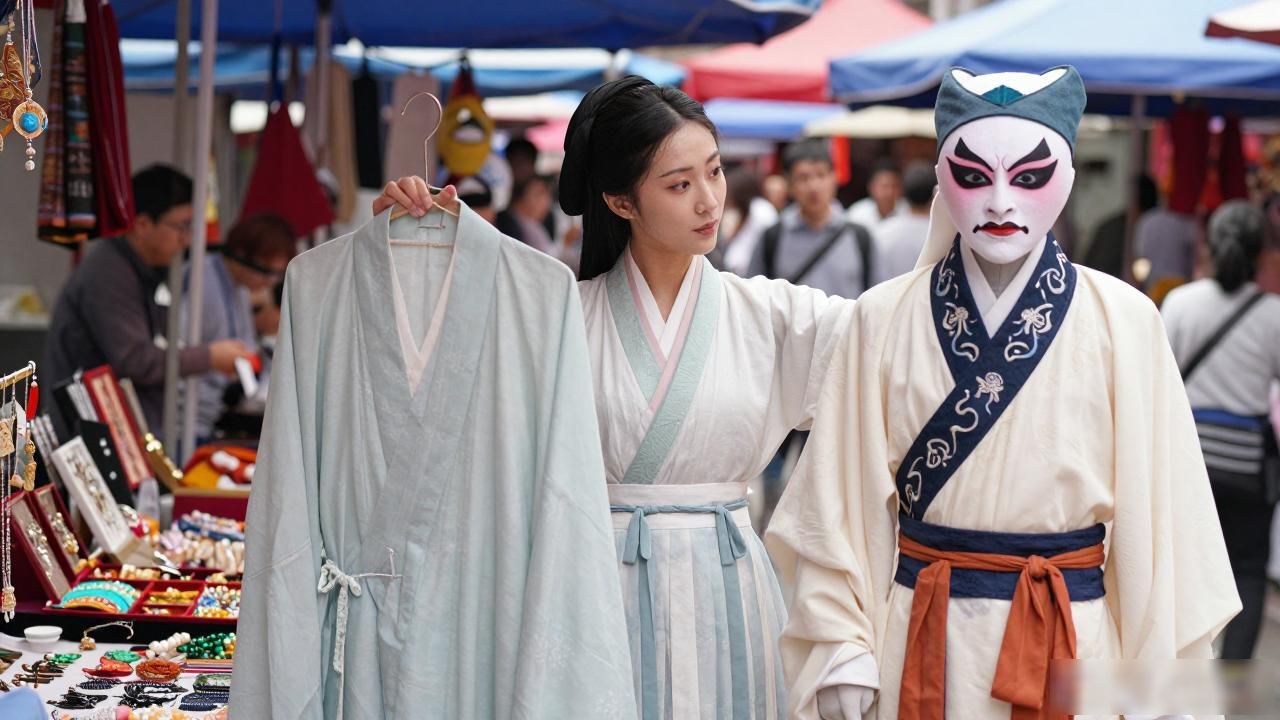
Hanfu, the traditional clothing of the Han Chinese, has seen a remarkable resurgence over the past decade. From temple fairs to daily commutes in major cities, more people are choosing to wear these elegant garments. Yet for foreigners seeking to purchase or wear authentic hanfu, the marketplace can feel overwhelming. Styles range from historically accurate reproductions to modernized interpretations, each with its own merits. Understanding what makes hanfu genuinely authentic is the first step toward appreciating and wearing this timeless tradition with confidence and respect.
How to Identify Real Hanfu Styles

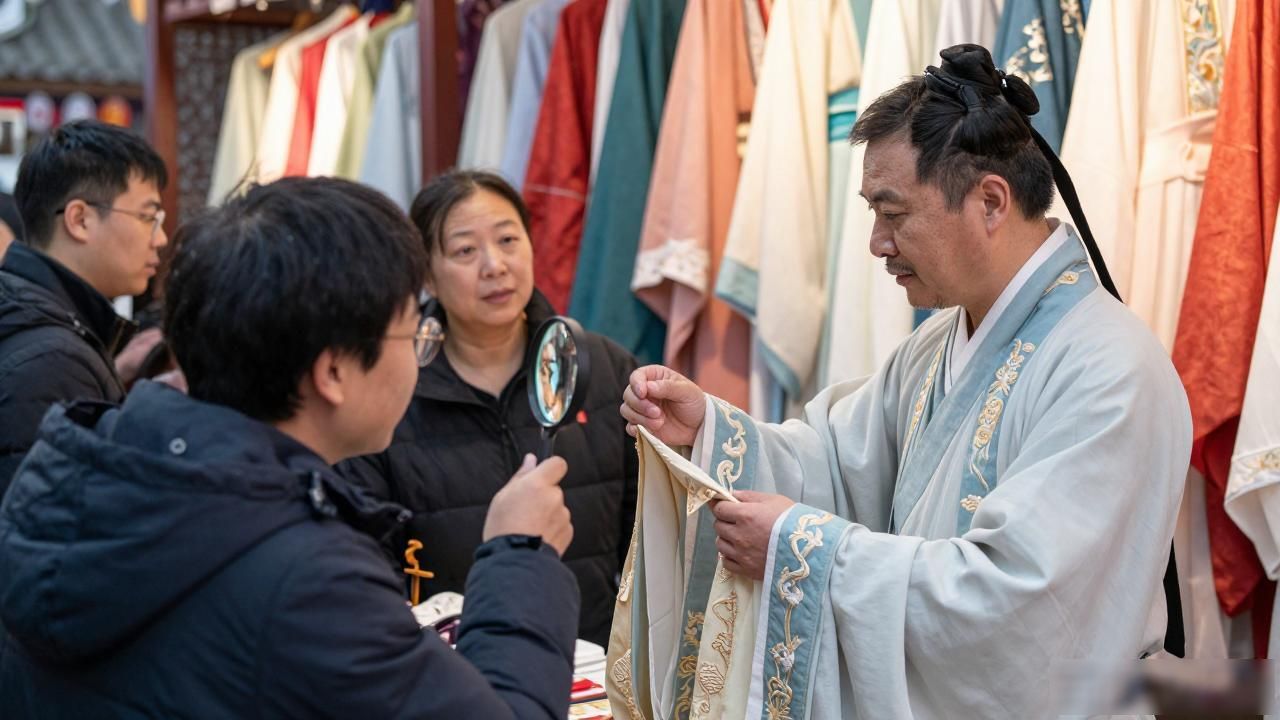
One of the most reliable ways to distinguish authentic hanfu from costume replicas lies in the construction. Genuine hanfu features a cross-collar closure, where the left side overlaps the right, a detail rooted in thousands of years of Han Chinese tradition. Look for garments that use this traditional jiaoling design rather than western-style buttons or zippers. The fabric should also feel substantial enough to drape naturally, typically silk, ramie,or cotton blends rather than thin polyester knockoffs that shine under light.
Pay close attention to the silhouette. Authentic hanfu follows a loose, flowing form that emphasizes grace over body-hugging fit. Wide sleeves, a gathered waist, and a skirt or trunk pants that fall below the knee are all hallmarks of traditional design. Hanfu enthusiasts often point out that cheap imitations try too hard to look attractive by cutting the garment too tight or shortening the length.
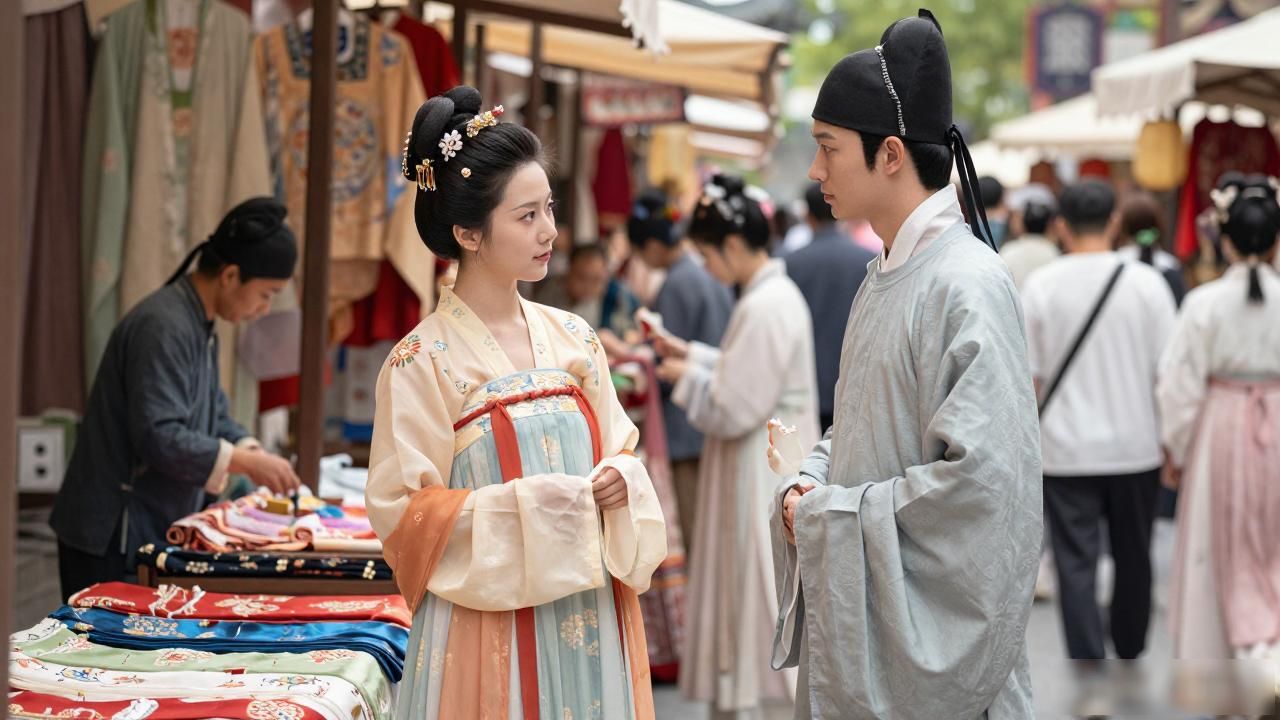
Another factor many buyers overlook is the historical period being referenced. Hanfu encompasses styles from multiple dynasties, each with distinct characteristics. The Tang dynasty favored broad, dramatic sleeves and high-waisted skirts, while Ming dynasty hanfu featured a more structured jacket-and-skirt combination. Knowing which era you are interested in helps narrow your search and ensures you are getting a piece that reflects genuine historical design rather than a vague fantasy interpretation.
Best Hanfu Styles for Foreign Beginners
Starting your hanfu journey does not require investing in a complete wardrobe. Many newcomers find that a simple ruqun set, consisting of a top and a long skirt, offers the easiest introduction to hanfu wearing. This style dates back to the Han dynasty and remains one of the most versatile options available today. It pairs well with various shoes and accessories, and it is forgiving for those still learning how to tie and adjust the garment properly.
For warm weather or casual occasions, consider a xiapei, a type of outer garment worn over a basic top. It adds visual interest without the complexity of layering multiple pieces. Many Chinese fashion brands now produce lightweight versions suitable for everyday wear in climates outside of China. A solid color or subtle pattern in breathable fabric makes a practical choice that will serve you well during your early experiences.
If you want to make a statement at special events, a tangzhuang inspired by the Tang dynasty looks stunning and photographs beautifully. The bold colors and flowing lines of this style capture the spirit of one of China golden ages. You may need a bit more practice with the layering, but the result is well worth the effort. Beginners should avoid overly elaborate court dress replicas until they have mastered the basics of wearing and maintaining hanfu garments.