
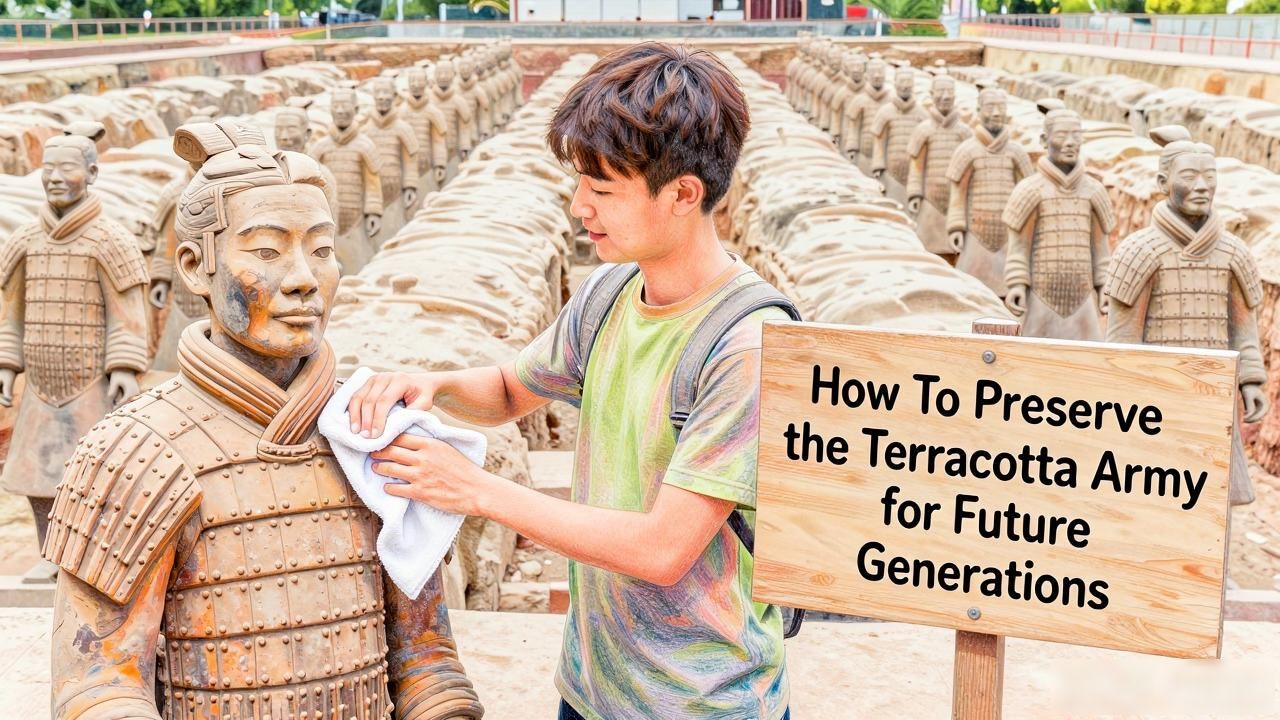
The Terracotta Army stands as one of the most remarkable archaeological discoveries in human history, a silent testament to the ambitions of Qin Shi Huang over two thousand years ago. These life-sized clay soldiers, horses, and chariots were meant to accompany the first emperor into eternity, yet the very act of their burial accelerated their deterioration. Since their accidental discovery in 1974 by local farmers,conservationists have faced an ongoing battle against time, moisture, and the fragility of ancient materials. Protecting these artifacts is not merely about preserving objects—it is about safeguarding a piece of world heritage that tells the story of an empire. The challenges are enormous, but advances in technology and conservation science continue to offer hope.

What Can Visitors Do to Help Protect the Site
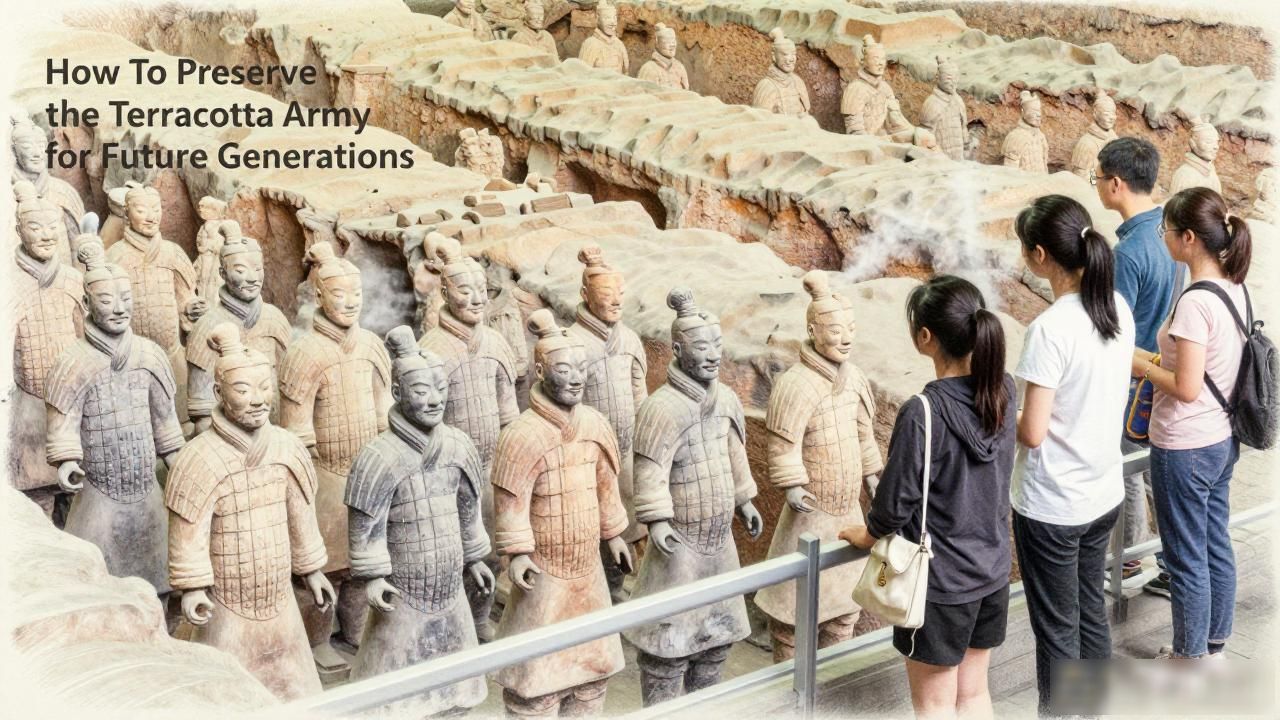
Tourists flock to the Mausoleum of the First Qin King in Xi’an by the millions each year, and this overwhelming interest presents both an opportunity and a serious threat. Every breath exhaled near the artifacts releases moisture and carbon dioxide, slowly damaging the fragile surfaces of the terracotta figures. The sheer volume of foot traffic also raises concerns about vibration and structural stability within the excavation pits. Visitors should never touch the displays, avoid using flash photography, and follow all guided pathways strictly. The site managers have implemented reservation systems and visitor flow controls, but individual responsibility remains crucial. Educating travelers before they arrive—through museum websites, guidebooks, and travel agencies—can make a meaningful difference in how these irreplaceable artifacts are treated during every visit.
How Scientists Are Preserving the Terracotta Warriors
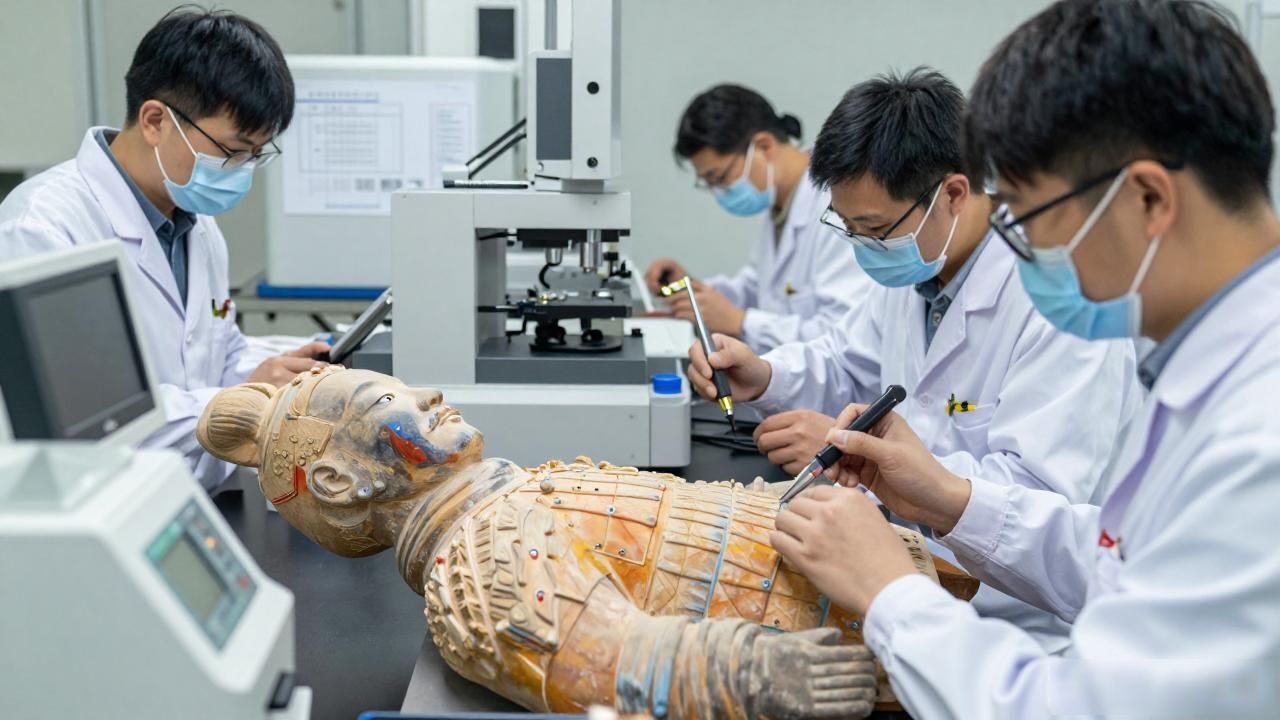
Conservation of the Terracotta Army requires some of the most sophisticated techniques in the field of archaeology and materials science. One of the greatest breakthroughs came in preserving the vivid pigments that once coated these figures. After excavation, the colored lacquer layer that gave the warriors their original brilliance would begin to curl and flake within minutes of exposure to dry air. Researchers at the Institute of Cultural Heritage in Xi’an developed a synthetic consolidant that stabilized the pigments, allowing colors like Chinese purple and vermilion to survive for the first time. Modern preservation efforts now combine chemical treatments, climate-controlled display environments, and 3D digital scanning to create permanent records of each figure. These technologies ensure that even if future deterioration occurs, the detailed appearance of the warriors will be captured for generations. The work is painstaking and collaborative, involving historians, chemists, engineers, and artists working side by side.