
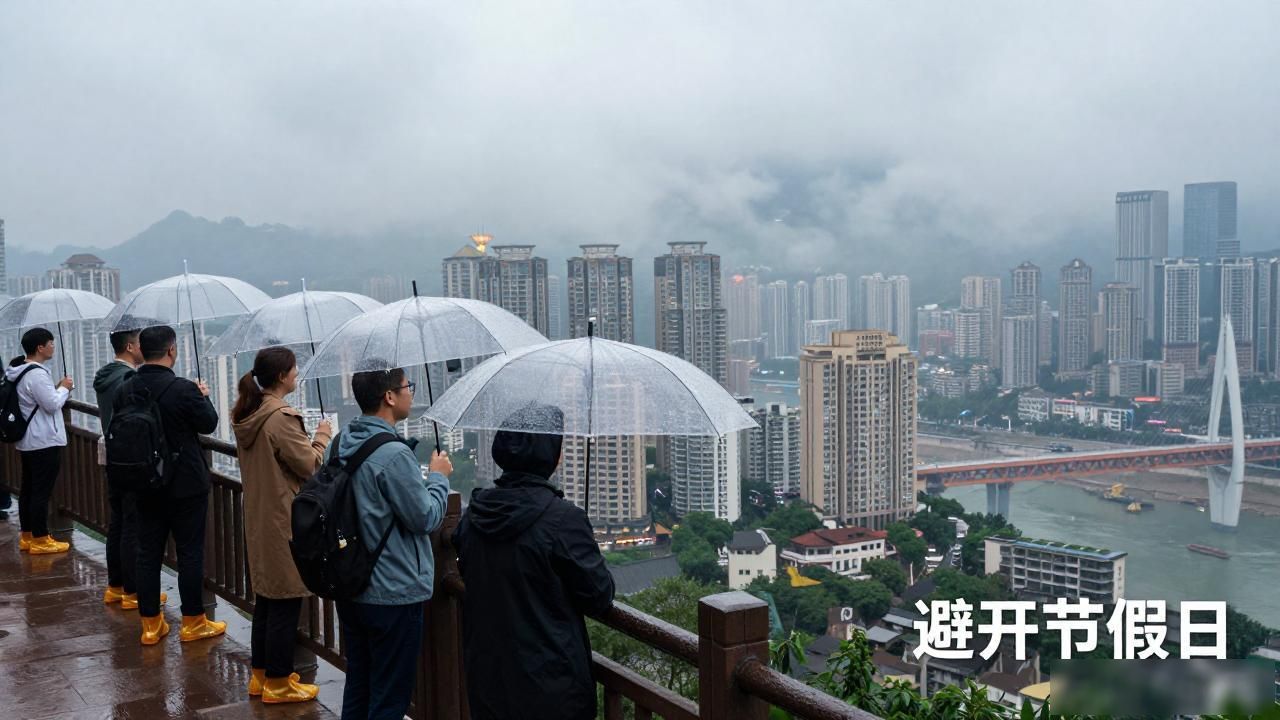
Chongqing is one of China’s most unique cities, known for its futuristic skyline, spicy food, and mountainous terrain. As a frequent traveler and local guide, I’ve seen how this city surprises first-time visitors. This guide covers the essentials for a smooth and memorable trip.
What is the best time to visit Chongqing
The best time to visit Chongqing is from March to May or September to November. During these months, the weather is mild and comfortable, avoiding the extreme summer heat and the chilly winter fog. Summer temperatures can climb above 40°C, making outdoor sightseeing exhausting. Winter is often overcast and damp, but not freezing.
Spring brings blooming flowers along the Yangtze River and clear skies for city views. Autumn offers crisp air and fewer crowds, ideal for exploring the Ciqikou ancient town or the Hongya Cave complex. If you don’t mind the heat, summer also brings vibrant nightlife and river cruises after sunset.

Rainfall is frequent year-round, so pack an umbrella and waterproof shoes. The famous Chongqing fog is part of its charm, especially when viewing the city from Nanshan Mountain. Just avoid national holidays like Chinese New Year and Golden Week, when hotels and attractions are packed.
Which attractions should you not miss in Chongqing
Start with Hongya Cave, a stunning 11-story stilted building along the Jialing River. It looks magical at night with golden lights reflecting on the water. Go early evening to catch the sunset and then the illuminated skyline. Inside, you’ll find snack stalls, souvenir shops, and tea houses.
Next, take the Yangtze River Cableway for a bird’s-eye view of the merging rivers. It’s cheap and quick, but queues can be long. Book tickets online in advance. Afterward, visit Ciqikou Old Town, a preserved Ming and Qing dynasty street. Try the local maoxuewang and sip on a bowl of street-side tea.
For modern Chongqing, head to Jiefangbei CBD and the Raffles City complex. The Crystal Sky Bridge on the 47th floor offers a glass-floor walk with vertigo-inducing views. Also, don’t skip the Three Gorges Museum, which explains the region’s history and the massive dam project.

How to get around Chongqing easily
Chongqing’s public transport is excellent and cheap. The metro system covers most tourist spots, including Hongya Cave, Ciqikou, and the cableway station. Buy a transit card at any station or use Alipay QR codes. Taxi fares are low, but traffic jams are common in the city center.
Walking is tricky here due to steep hills and stairs. Use the metro or the famous “light rail” that passes through a residential building at Liziba Station. That sight alone is worth a ride. For longer trips, high-speed trains connect Chongqing to Chengdu in just over an hour.
Navigation apps like Baidu Maps or Amap are essential. Google Maps is unreliable in China. Download a VPN before arrival if you need access to international websites. And always keep your hotel address written in Chinese characters to show taxi drivers.
What food should you try in Chongqing
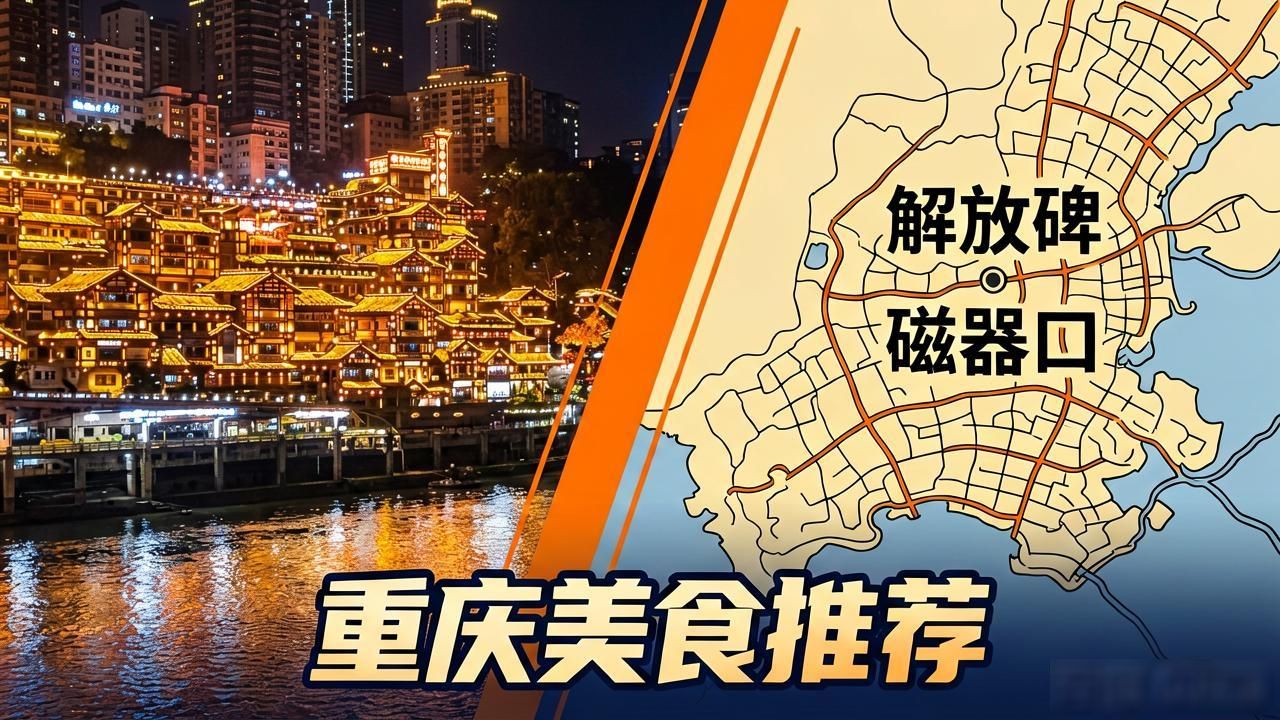
Chongqing is the birthplace of hotpot, and you cannot leave without trying it. The broth is numbingly spicy, filled with Sichuan peppercorns and chili oil. Order tripe, beef, and lotus root for the authentic experience. Local chains like Haidilao or small street-side joints both serve excellent versions.
Street food is another highlight. Try Chongqing noodles, also called xiaomian,served with chili oil and peanuts. Also sample sour and spicy noodles, grilled skewers, and tangyuan. The night markets at Jiefangbei or Nanbin Road offer endless choices. Drink plenty of water or cold beer to cool your mouth.
If you have a weak stomach, start with milder dishes like steamed pork belly or stir-fried greens. Most restaurants can adjust spice levels if you ask. Just be careful with raw water and ice cubes, as tap water is not safe to drink. Always carry bottled water.
Chongqing is a city that demands your full attention. Its chaotic streets, fiery food, and dramatic landscapes will leave you exhausted but amazed. Plan ahead, stay flexible, and let the city surprise you. That’s the real Chongqing experience.