
A Yiwu market tour is not just a shopping trip—it’s a deep dive into the world’s largest wholesale hub. For international buyers,this market offers endless product categories, competitive pricing, and direct access to factories. But without proper preparation, the sheer size and pace can overwhelm even seasoned entrepreneurs. This guide breaks down what to expect and how to navigate effectively.
What to see and buy during a Yiwu market tour
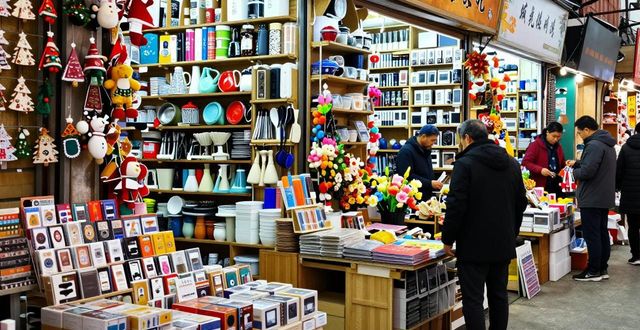
Most first-time visitors are shocked by the scale. Yiwu International Trade Market is divided into five districts, each specializing in different product categories. District 1 focuses on toys and ornaments, while District 2 covers bags, suitcases, and hardware. District 3 is known for stationery, sporting goods, and cosmetics. District 4 offers daily necessities and socks, and District 5 focuses on imported goods and textiles.

You can find almost anything here—from Christmas decorations and kitchen gadgets to artificial flowers and electronic accessories. Many suppliers accept small minimum order quantities, which is ideal for small business owners and online sellers. But don’t expect every stall to speak fluent English. It helps to have a translator app or a local guide handy.
The key is to focus on your niche. If you are sourcing party supplies, stick to District 1. If you need bags, go straight to District 2. Wandering randomly will waste time and energy. Make a list of categories you want to explore before you arrive.
How to negotiate and order during your Yiwu market tour

Negotiation is part of the culture here. Prices listed are often starting points, especially if you buy in bulk. Start by asking for the wholesale price per piece and the minimum order quantity. Be polite but firm. Many vendors will lower prices if you show interest in multiple items or long-term partnership.
It is also important to clarify payment terms. Most suppliers prefer T/T or cash for first orders. Credit cards are not widely accepted. Always ask about shipping options. Some vendors offer consolidated shipping, while others work with freight forwarders. You should also request product samples before placing a large order.
Language can be a barrier. Simple phrases like “How much” or “Minimum order” work well. Writing down numbers on paper helps avoid confusion. Bring a notebook and a calculator. Take photos of products and business cards. This will help you remember which booth offered what price.
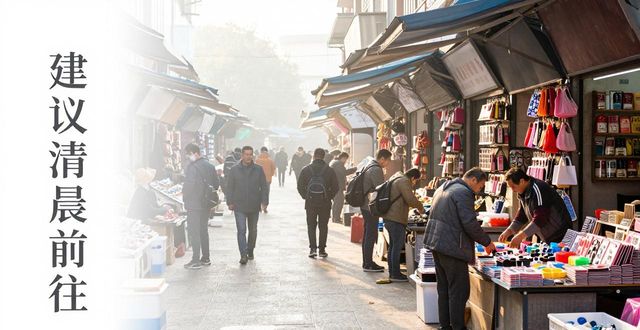
A smart strategy is to visit the market early in the morning when it opens. Vendors are fresh and less crowded. Late afternoons get busy, and some stalls close earlier than expected. Plan your route District by District, and take breaks when needed. The market is huge, and fatigue can lead to bad decisions.
Yiwu market tour rewards preparation and patience. Know what you want, stay organized, and build relationships with reliable suppliers. That is how you turn a chaotic market into a profitable sourcing experience.