
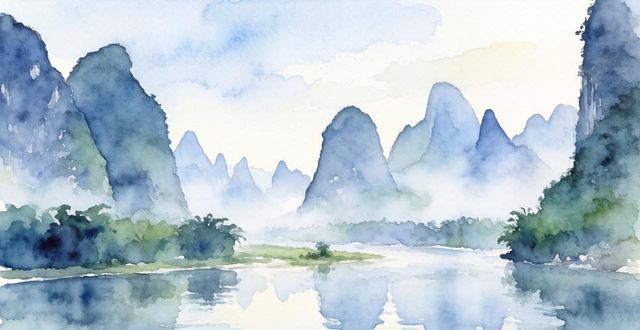
Guilin’s ethereal landscape, with its limestone karsts piercing the mist and the Li River winding through rice paddies, has captivated artists for centuries. It presents a unique challenge and immense opportunity, blending serene water, dramatic mountains, and vibrant rural life into a single, harmonious composition. For a painter, capturing Guilin is not just about replicating a view; it’s about conveying a mood of tranquil majesty. This guide explores practical techniques to translate this iconic scenery onto your canvas, starting from the core atmospheric elements that define its beauty.
How to Capture Guilin’s Mist and Karst Mountains

The soul of a Guilin painting lies in its atmosphere. The ever-present mist softens the sharp edges of the karst peaks, creating layers of depth that recede into a hazy distance. To achieve this, a wet-on-wet technique with watercolors or diluted acrylics is highly effective. Begin by establishing a light, cool wash for the sky and distant hills. While the paper is still damp, introduce slightly darker, grayish-blue tones for the mid-ground mountains, allowing the colors to bleed and soften naturally. The foreground karsts can be defined with more detail and warmer greens, but keep their edges soft to maintain that characteristic dreamlike quality. Remember, the mist is the unifying element; it connects the sky to the water and the mountains to each other.
What Colors to Use for the Li River and Reflections
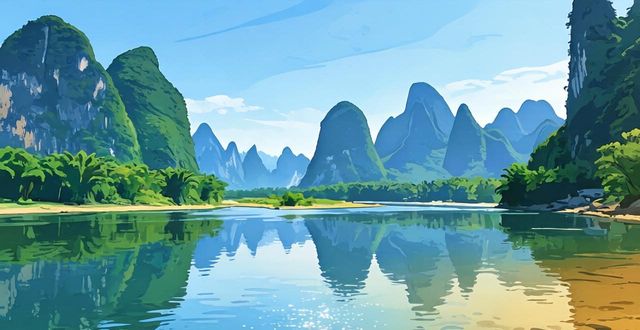
The Li River acts as a mirror, doubling the beauty of the landscape and requiring careful handling of reflections. The water’s color is not simply blue; it is a complex mix of the sky’s hue, the green from the foliage, and the earthy tones of the riverbed. Start with a pale, cool base. For reflections, paint them immediately after the corresponding object above, using slightly muted and vertically stretched versions of the same colors. Keep brushstrokes horizontal and gentle to suggest a calm surface. Incorporate small breaks or ripples in the reflection to indicate movement, perhaps from a fisherman’s boat. This attention to the water’s surface transforms a static scene into a living, breathing vista.
How to Add Traditional Fishing Boats and Rice Terraces
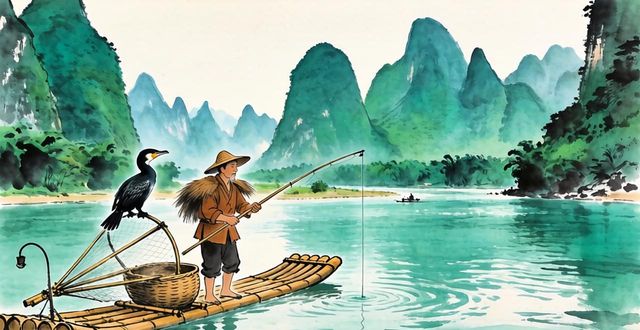
Human elements provide scale and cultural context, telling a story within the landscape. The iconic bamboo rafts with cormorant fishermen are classic motifs. Paint them with simple, elegant strokes, using warm browns and ochres to contrast with the cool surroundings. Place them strategically to lead the viewer’s eye into the painting. Rice terraces, often seen on the hillsides, are a study in rhythm and pattern. Paint them as a series of flowing, curved lines that follow the contour of the land. Use variations of green and yellow to suggest different growth stages. These elements should complement, not compete with, the natural scenery, adding depth and narrative without clutter.
Mastering the Guilin landscape is a rewarding journey that hones an artist’s ability to paint light, atmosphere, and harmony. It teaches the delicate balance between detail and suggestion, between bold form and soft transition. By focusing on the misty layers,the reflective water, and the poignant human touches, you can create a painting that resonates with the peaceful yet majestic spirit of Guilin itself. Let the landscape guide your brush, and you will capture more than a scene—you will capture a feeling.