
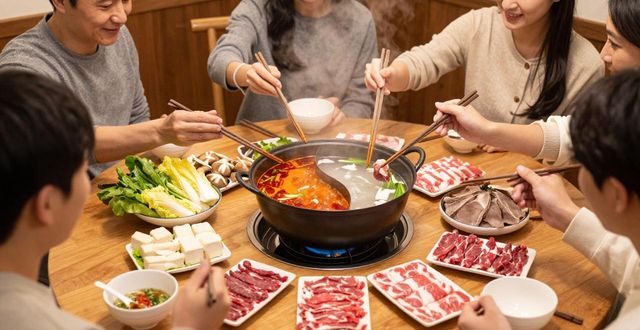
If you’ve never been to a hot pot dinner, the experience can feel a little overwhelming at first. A bubbling pot of broth in the middle of the table, raw ingredients spread all around, and everyone cooking their own food – it’s very different from a typical Western meal. But once you understand the basics, hot pot becomes one of the most fun and interactive dining experiences you can have. In this guide, I’ll walk you through everything you need to know, from choosing your broth to dipping your cooked bites into the perfect sauce.
What to expect at your first hot pot dinner

When you sit down for hot pot, the table will usually have a built-in burner or a portable stove. The server will bring a large pot filled with broth – you can often choose two different broths in a split pot, called a “yuan yang” pot. Then plates of raw ingredients arrive: thinly sliced meats like beef or lamb, fresh vegetables, mushrooms, tofu, noodles, and seafood. Don’t worry if you don’t recognize everything. Part of the fun is trying new things. You’ll also get small plates of dipping sauces,which you can mix yourself at a sauce bar. The meal is not fast, and that’s the point – you cook, chat, and eat slowly over an hour or more.
How to choose the right broth for your taste
The broth is the heart of hot pot, and picking the right one makes all the difference. If you don’t like spicy food, go for a mild mushroom or tomato broth. These are savory and light, letting the natural flavor of the ingredients shine. For those who want a rich, hearty base, a bone broth or a herbal broth works wonderfully. If you love heat, then the famous spicy Sichuan broth is a must-try. It’s filled with chili oil, Sichuan peppercorns, and dried peppers – the numbing spice is addictive once you get used to it. Many restaurants offer a split pot so you can have both spicy and non-spicy. I always recommend that beginners start with a mild broth on one side and a medium-spicy broth on the other, just to test their limits.
Essential dipping sauces you should try
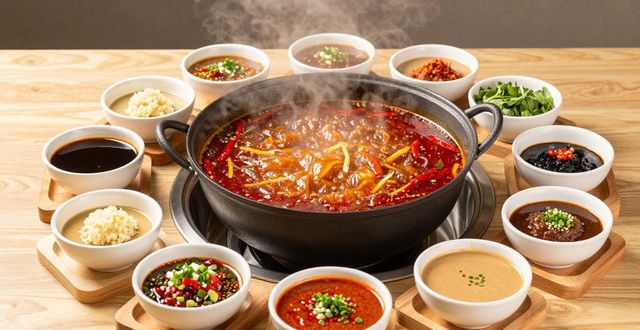
Dipping sauce is what takes hot pot from good to unforgettable. Most hot pot restaurants have a sauce bar with over a dozen ingredients. A classic beginner’s mix is: sesame paste (or peanut butter), garlic, cilantro, a little soy sauce, and a drop of vinegar. If you want something fresher, combine soy sauce, raw garlic, chopped green onion, and a squeeze of lime juice. For a richer, creamier dip, mix sesame paste with fermented tofu and a tiny bit of chili oil. Don’t be shy – you can make multiple small bowls and experiment. The general rule is to dip your cooked food lightly into the sauce, not soak it. Remember that the broth already adds flavor, so the sauce is just a boost. And never double-dip your chopsticks or spoon into the communal pot – use the serving utensils or your own chopsticks to take raw food to your plate first.
What to cook first and how long to boil
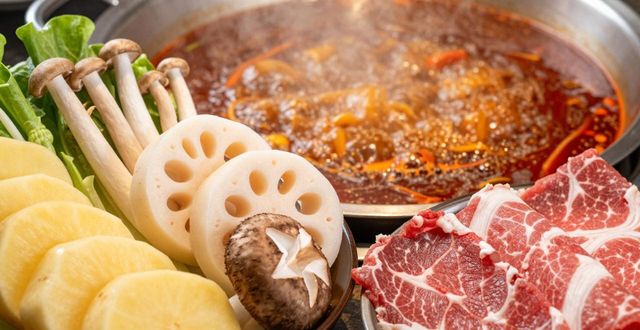
Cooking order matters more than you think. Start with ingredients that take longest but don’t release too much starch or fat, like root vegetables (potatoes, lotus root, taro) and mushrooms. Next, add thinly sliced meats – beef or lamb usually cook in 15 to 30 seconds. Swish them in the bubbling broth with your chopsticks until they change color. Then come seafood like shrimp or fish balls, which take about 1 to 2 minutes. Leafy greens and tofu go in last because they cook very quickly, in under a minute, and they can also soak up excess oil from earlier ingredients. Noodles should be cooked near the end, or they’ll make the broth cloudy. A good trick: use the small wire scoop baskets (often called “strainers”) for tiny or delicate items so you don’t lose them in the pot. Always make sure meat is fully cooked before eating. When in doubt, fish out a piece and check.
After your meal, many hot pot places offer free or cheap dessert like shaved ice, sweet soup, or fruit to cool your mouth. Hot pot is a social event – it’s about sharing food and stories around a warm fire of broth. Now I’d love to hear from you: what’s the one ingredient or dipping sauce combination you’d be most excited to try on your first hot pot dinner? Share your thoughts in the comments, and if this guide helped you, give it a like and pass it along to a friend who’s curious about hot pot.