
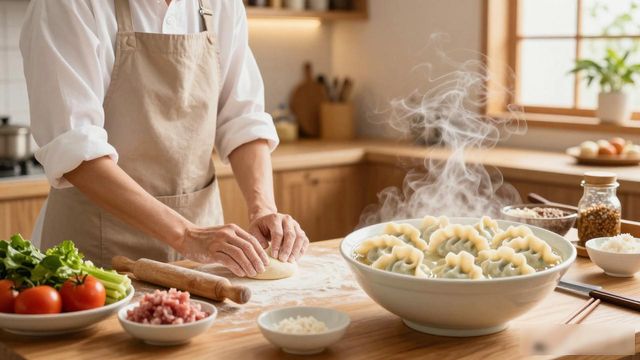
Chinese dumplings, or jiaozi, are more than just food—they’re a cultural experience. Whether you want to learn how to fold them like a pro or find the best spots to taste them in China, this guide covers both the recipe and the tour side of things. Making dumplings at home is easier than you think, and touring China’s dumpling hotspots will change how you see this humble dish.
What’s the secret to a good Chinese dumpling filling
The filling is where the magic happens. A classic pork and cabbage mix is a great starting point. Use ground pork with some fat in it, around 80/20 ratio. Add finely chopped napa cabbage that has been salted and squeezed dry. This step is crucial—wet cabbage ruins the texture. Mix in minced ginger, soy sauce, sesame oil, and a pinch of white pepper. Some people add a splash of Shaoxing wine for depth.

Don’t skip the “stirring” technique. Stir the filling in one direction until it becomes sticky and cohesive. This creates a bouncy, juicy texture that holds together during cooking. For a vegetarian version, try mashed tofu with shiitake mushrooms and glass noodles. Season generously because the dumpling wrapper itself is bland. Taste a small cooked sample before filling all your wrappers—adjust salt or ginger as needed.
Can you really learn dumpling making on a food tour
Absolutely. Many food tours in cities like Beijing, Xi’an, and Shanghai include hands-on dumpling classes. You don’t just watch—you roll dough, chop filling, and fold wrappers under a local chef’s guidance. These tours often start at a wet market where you pick fresh ingredients. That’s where you learn why Chinese cooks insist on certain cuts of meat or types of cabbage.
In Xi’an, for example, dumpling tours focus on the region’s famous “soup dumplings” or jiaozi with lamb and cumin. In Shanghai, you’ll get xiaolongbao training—those delicate soup-filled dumplings. The best part is eating what you make. Tours usually end with a feast, pairing your dumplings with vinegar, chili oil, and cold beer. It’s a hands-on way to understand Chinese food culture beyond just eating.
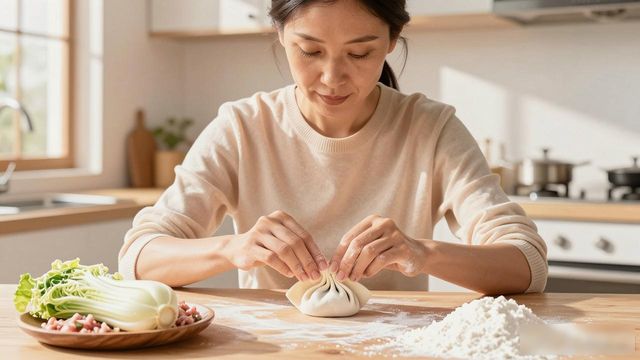
How to fold dumplings without tearing the wrapper
Folding is the trickiest part for beginners. Start with store-bought wrappers if you’re short on time. Place a spoonful of filling in the center—don’t overfill. Moisten the edge with water, then fold in half. Press the center seal first, then pleat one side by pinching small folds toward the center. This creates a crescent shape that stands up nicely on a tray.
Another easy method is the “bunny ear” fold. Bring the two corners together and pinch. This works great for beginners and looks cute on a plate. If your wrapper tears, your filling is too wet or your wrapper is too thin. Keep a bowl of flour nearby to dust your hands and prevent sticking. Practice on a few wrappers before committing to the whole batch. You’ll get faster after the tenth one.
Where to eat the best dumplings on a China tour
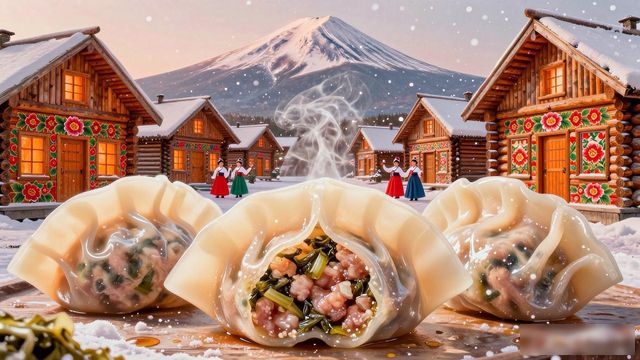
For a true dumpling tour, head to Dongbei region—Heilongjiang, Jilin, and Liaoning provinces. They’re known for massive, hearty dumplings with bold fillings like pork and sauerkraut. In Harbin, try the Russian-influenced dumplings at Lao Chang’s. In Beijing, skip the touristy spots and look for hole-in-the-wall shops near hutongs. The queue outside is your best sign.
Xi’an offers a unique twist with spicy lamb dumplings dipped in chili oil and vinegar. Shanghai’s xiaolongbao are famous, but don’t miss the pan-fried shengjianbao—crispy on the bottom, juicy inside. For a modern take, visit Din Tai Fung in Taipei or Hong Kong. Their dumplings are precise and delicate. A good tour guide will take you to family-run shops where recipes are passed down for generations. That’s where the real flavor lives.
Making dumplings at home connects you to a tradition that spans centuries. And tasting them on a China tour shows you how regional flavors shape this simple dish. Whether you’re folding wrappers in your kitchen or exploring a night market in Shanghai,dumplings bring people together. Grab some flour, find a good tour, and start your own dumpling journey.