
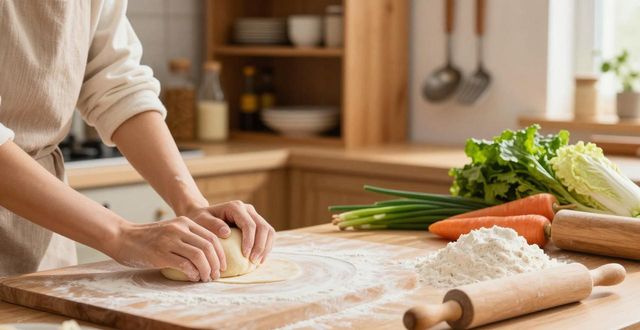
Chinese dumplings, or jiaozi, are much more than a dish – they are a symbol of family, celebration, and culinary artistry. Whether you are a beginner cook or an adventurous food lover, learning to make dumplings from scratch opens the door to a rich cultural experience. This guide combines a practical, step-by-step recipe with a virtual tour of China’s most famous dumpling styles. By the end, you will not only know how to fold, fill, and cook dumplings but also understand the regional twists that make each bite unique.
What is the best filling for Chinese dumplings
The classic pork and cabbage filling is a perfect starting point. Mix 250g ground pork with 150g finely chopped napa cabbage, one tablespoon of soy sauce, one teaspoon of sesame oil, minced ginger, and a pinch of white pepper. Squeeze the cabbage to remove excess water before mixing – this keeps the filling firm and juicy. For a vegetarian option, replace pork with crumbled tofu, shiitake mushrooms, and glass noodles. The key is balancing moisture and seasoning. Always test your filling by microwaving a small spoonful for 10 seconds, then adjust salt or soy sauce accordingly.

How to make dumpling dough from scratch
Combine 300g all-purpose flour with 150ml warm water, adding water slowly while stirring with chopsticks. Knead the dough for about 10 minutes until smooth and elastic, then cover it with a damp cloth and let it rest for 30 minutes. Resting relaxes the gluten, making rolling easier. After resting, roll the dough into a long log and cut it into 8g pieces. Flatten each piece into a small disk, then use a small rolling pin to roll from the edge toward the center, creating a thin center and slightly thicker middle. A good wrapper should be about 8cm in diameter and evenly round.
Step by step folding techniques for beginners
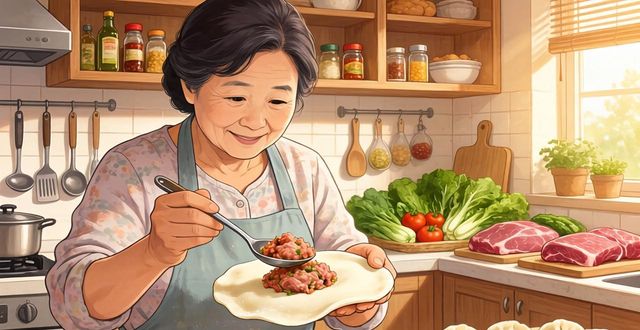
Place one tablespoon of filling in the center of a wrapper. Moisten the edge with water, then fold the wrapper in half to form a half-moon. Pinch the center tightly, then use your thumb and index finger to create pleats along one side, pressing each pleat against the flat side. For a simpler method, just press the edges together firmly without pleats – this still holds perfectly. Practice with five wrappers first; the sixth will look much better. Keep finished dumplings on a lightly floured tray, making sure they do not touch each other to prevent sticking.
Boil, steam, or pan fry which is best
Boiling is the fastest: drop dumplings into plenty of boiling water, stir gently, add a cup of cold water when it returns to a boil, and repeat. They are done when they float and look translucent, about 5-7 minutes. Steaming takes 8-10 minutes in a bamboo or metal steamer lined with cabbage leaves or parchment paper. Pan-frying creates the beloved crispy bottom: fry dumplings in oil for 2 minutes until golden, then add water to cover one-third of their height, cover, and steam until the water evaporates, then uncover and crisp for another minute. Each method gives a different texture, so try all three.
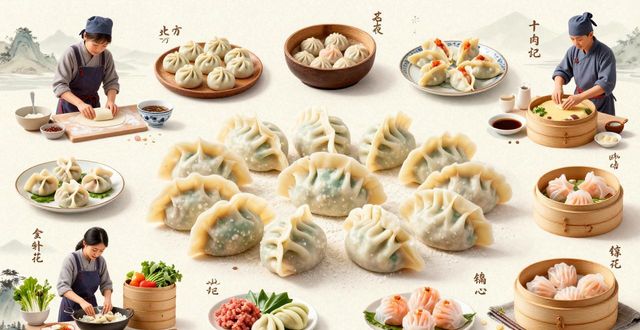
A quick tour of China’s regional dumpling styles
In northern China, especially Beijing and Xi’an, dumplings are hearty with lamb,leek, or egg and chive fillings, often served with black vinegar and chili oil. Shanghai is famous for soup dumplings (xiaolongbao), which require a gelatinized broth mixed into the filling – an advanced but rewarding technique. Sichuan’s spicy wontons (chaoshou) come in a fiery sauce of chili oil, garlic, and sugar. In Guangdong, har gow dumplings have translucent wrappers made from wheat starch and tapioca, filled with shrimp and bamboo shoots. Exploring these styles can inspire your own creative fillings at home.
Now it is your turn: Have you ever tried making dumplings at home, and what is your favorite dipping sauce or filling combination? Share your experience in the comments below – and do not forget to like and share this guide with fellow food lovers.