
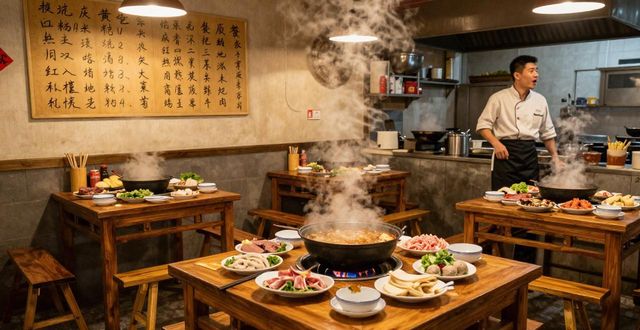
Local hot pot restaurants offer a dining experience that no chain can replicate. As a traveler or expat, you might be drawn to familiar names, but the real soul of this cuisine lives in small, family-run spots. These places serve unique broths, fresh ingredients, and honest flavors shaped by decades of tradition. In this guide, I’ll show you why local hot pot matters, how to find authentic ones, what to order, and how to eat like a local.
What Makes Local Hot Pot Different from Chains
Chain hot pot restaurants focus on consistency and speed. Their broths come from centralized factories, and ingredients are often frozen or pre-packaged. Local hot pot restaurants, however, prioritize freshness and character. The owner might shop at the morning market for that day’s vegetables, or make a secret chili oil recipe passed down from their grandmother. You will taste the difference immediately – the broth has depth, the meat is never rubbery, and the dipping sauces feel alive. Locals know these spots by heart, but tourists rarely find them without help.

Another key difference is atmosphere. Chain restaurants look polished and predictable, with uniform tables and bright lighting. Local hot pot places feel raw and real. You might sit on wobbly stools, hear the sizzle of charcoal under the pot, and watch the owner shout orders to the kitchen. The walls are covered with handwritten menus and faded photos of regulars. This environment might seem chaotic at first, but it’s exactly what makes the meal memorable. You are not just eating hot pot; you are stepping into someone’s life and legacy.
How to Spot an Authentic Local Hot Pot Restaurant
First, look for a place with no English menu. That sounds intimidating, but it is usually a good sign. If a restaurant only serves locals, they don’t need to translate their dishes. You can use your phone’s camera to translate the menu, or simply point at what the next table is eating. Second, check the time of day. Real local hot pot restaurants get busy between 6 and 8 PM. If you walk in at 5 PM and the place is empty, it might be a tourist trap. The best spots fill up with workers, families, and groups of friends laughing loudly over steaming pots.
Also, pay attention to the broth. Authentic local hot pot restaurants make their broth from scratch, often simmering beef bones, pork ribs, or fish heads for hours. You will see a layer of natural oil and spice floating on top, not a thin, watery liquid. If the restaurant offers a dozen different broth bases like “tomato” or “mushroom,” be careful – traditional local hot pot usually specializes in one or two signature broths. Finally, trust your nose. Walk past the door. If the smell is rich, spicy, and inviting, go in. If it smells like nothing or like cheap seasoning, walk away.
Must-Try Dishes You Won’t Find at Chains
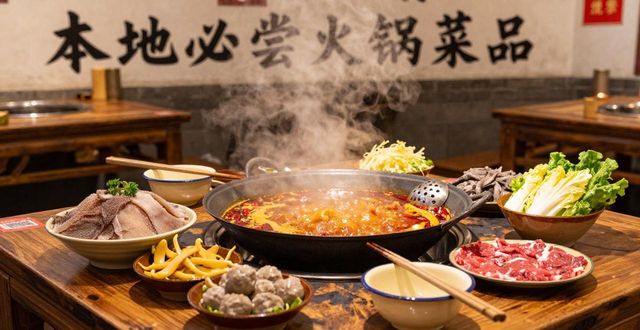
Local hot pot restaurants often serve cuts of meat and vegetables that chains ignore. For example, ask for “beef aorta” or “pork throat.” These are chewy, crunchy textures that locals love but rarely appear on chain menus. Another hidden gem is “blood curd” – made from pork or duck blood, it turns silky and savory after a minute in the broth. Do not be scared; it tastes much better than it sounds. You should also look for handmade meatballs. Chains use frozen ones from factories, but local shops mix fresh ground pork with ginger, garlic, and scallions, then roll them by hand. They stay tender and juicy even after long cooking.
Vegetables matter too. Local hot pot restaurants feature seasonal greens you might never have seen, like “water spinach” or “chrysanthemum greens.” These cook in thirty seconds and add a fresh, slightly bitter balance to the rich broth. Finally, never skip the dipping sauce bar. At local spots, you build your own sauce from bowls of raw garlic, chopped cilantro, sesame paste, fermented bean curd, and fresh chili. The owner might even show you their personal blend. This customization is half the fun and completely absent from chain restaurants.
Insider Tips for Ordering Like a Local
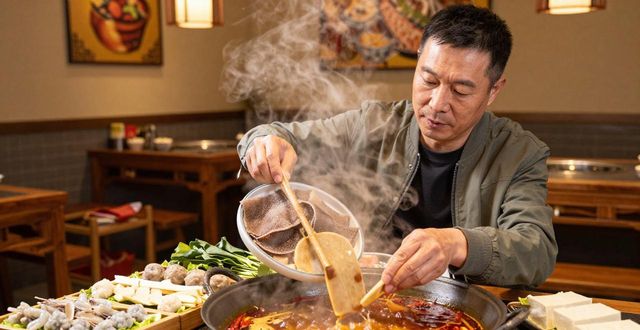
Order in small batches. Many foreigners make the mistake of dumping everything into the pot at once. That overcooks the vegetables and waters down the broth. Instead, cook only what you can eat in the next five minutes. Start with the items that take longer, like thick root vegetables or tripe. Then move to thin slices of meat, which cook in ten to fifteen seconds. Lastly, add leafy greens and noodles. This sequence keeps every bite at its perfect texture. Also, never drink the raw broth at the beginning. Let it simmer for at least ten minutes so the flavors fully develop.
Another local trick is to order a plate of fried dough sticks or rice cakes. These soak up the broth and act as a carb base. Some locals even end the meal by adding a bowl of cooked rice to the remaining broth, creating a porridge that captures all the leftover flavors. Do not be shy about asking the staff for help. Even if they do not speak English, use gestures and smile. They will often point to the most popular dishes or show you the correct cooking time. And remember to pace yourself – hot pot is meant to last two hours, not twenty minutes.
Have you ever discovered a tiny local hot pot restaurant that completely changed how you think about this dish? What made it special – the broth, the owner,or a weird ingredient you never expected to love? Drop your story in the comments below, and if this guide helped you, hit share so other travelers can find their own hidden hot pot gems.