
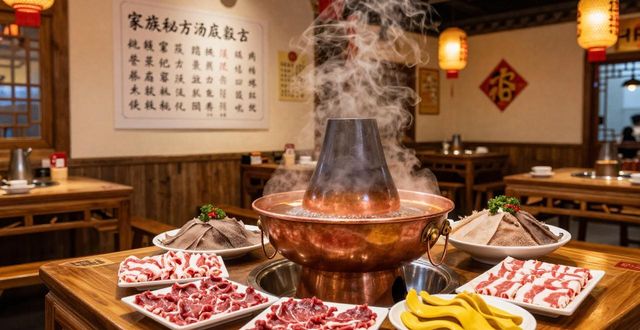
When traveling or living in a new city, discovering genuine local hot pot restaurants can be one of the most rewarding culinary adventures. Unlike international chains that cater to tourist palates, authentic local spots offer unique broths, fresh regional ingredients, and a dining culture that has been perfected over generations. Understanding how to identify, order, and eat at these establishments will transform your experience from confusing to unforgettable.
What makes local hot pot different from chains

Local hot pot restaurants take pride in their signature soup bases, often family recipes passed down for decades. You will find oil-to-water ratios, spice levels, and herb combinations that vary dramatically from one neighborhood to another. Unlike standardized chains, these places source ingredients from nearby farms and markets, meaning the tripe,sliced meats, and vegetables change with the seasons. Many locals judge a hot pot spot solely by the quality of its broth after two hours of simmering.
How to spot an authentic local hot pot place
Walk down any residential street and look for queues of local office workers rather than tourists. Authentic restaurants usually display their fresh ingredients openly near the entrance, with staff hand-cutting meat and washing greens right before your eyes. Check for worn tables, the smell of complex spices drifting from the kitchen, and menus written primarily in the local language without pictures. If you see families with multiple generations sharing a pot, you have found the real deal.
What to order at a local hot pot restaurant
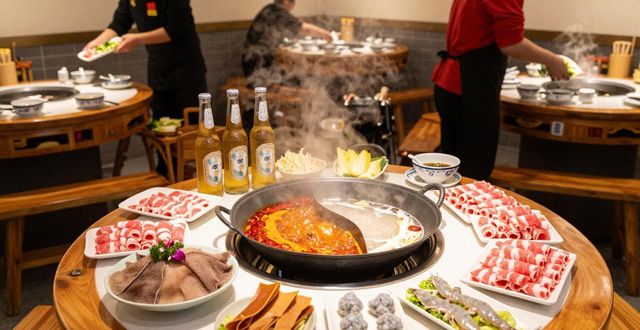
Start with the broth—ask what the house specialty is, often a spicy beef tallow base or a subtle mushroom and chicken stock. For proteins, choose items that require quick cooking: thinly sliced lamb shoulder, marinated beef, fresh shrimp paste, and duck blood curds. Do not skip the offal like crispy tripe or tender pork brain if you are adventurous. Vegetables should include water spinach, lotus root slices, and enoki mushrooms. Dipping sauces are a personal blend, so combine garlic, sesame oil, cilantro, and fermented bean curd to your taste.
Tips for first‑time visitors to local hot pot restaurants
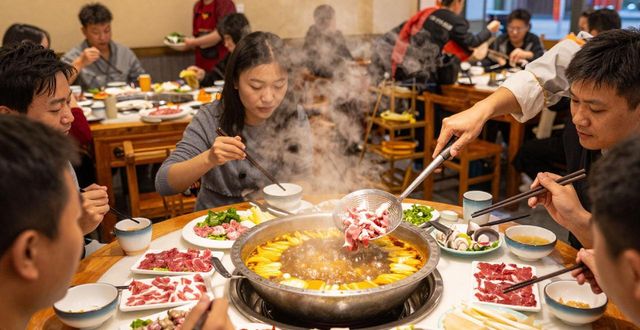
Never put all ingredients into the pot at once, as each item has a precise cooking window. Use your provided strainer spoon to cook small batches of meat for 15 to 30 seconds, and allow dense vegetables to simmer longer. Pay attention to the staff or nearby tables—locals love to show newcomers the proper technique. Order a bowl of plain rice or fried bread sticks to balance the intense flavors. Finally, drink the remaining broth with a ladle only after you have finished the solid ingredients; many consider this the soup’s best moment.
Have you ever tried cooking something completely unfamiliar at a local hot pot restaurant, and how did it change your view of the cuisine? Share your story in the comments, and if this guide helped you, give it a like and pass it along to fellow food explorers.