
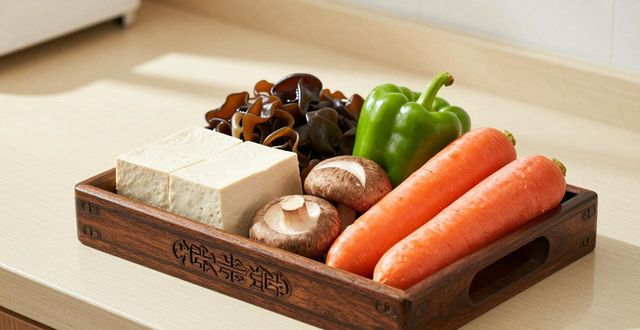
Vegetarian Chinese cuisine is far more than just stir-fried vegetables or tofu with soy sauce. It is a deeply rooted culinary tradition that balances texture, color,flavor, and nutrition. Many people assume Chinese food is heavy on meat, but the plant-based side of this cuisine is incredibly rich, diverse, and accessible. From crispy spring rolls to silky mapo tofu made without pork, vegetarian Chinese cooking offers bold flavors that can easily become part of your weekly meals. Let’s explore how to bring these dishes into your own kitchen.

What Are the Key Ingredients for Vegetarian Chinese Cooking
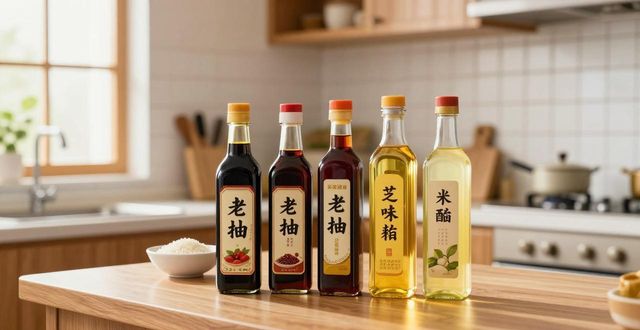
The foundation of any good vegetarian Chinese dish lies in a handful of pantry staples that deliver umami, warmth, and depth. Soy sauce, both light and dark, is essential for saltiness and color. Toasted sesame oil adds a nutty finish, while rice vinegar brings brightness. Beyond liquids, you’ll want fermented ingredients like douchi (fermented black beans) or miso paste to mimic the savory punch that meat usually provides. Fresh ginger, garlic, and scallions appear in almost every recipe, so keep them on hand. Mushrooms, especially shiitake and wood ear, contribute a chewy texture that satisfies the craving for something substantial. Don’t forget star anise and Sichuan peppercorns—they create that signature numbing warmth. Stock is another secret weapon. Instead of chicken stock, use mushroom soaking water or kombu dashi to build a rich broth. Tofu comes in many forms: silken for soups, firm for stir-fries, and pressed or frozen for a meatier bite. Gluten-based seitan, often sold as “mock meat” in Asian grocery stores, can be braised or fried. For noodles, choose fresh wheat noodles, rice vermicelli, or bean thread noodles. Each ingredient has a role, and together they create layers of flavor without any animal products.
How Do You Prepare Vegetables for Authentic Texture and Taste
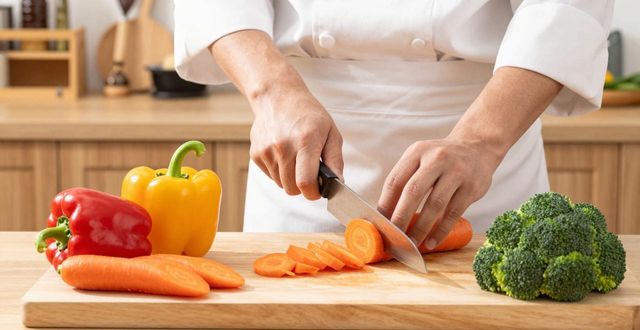
Texture is everything in Chinese cuisine, and preparation techniques make or break a dish. Cutting vegetables into uniform sizes ensures even cooking. For stir-fries, slice carrots, bell peppers, and broccoli into bite-sized pieces no thicker than a quarter inch. Use a cleaver or sharp knife to avoid crushing delicate greens like bok choy or Chinese broccoli. Blanching is a common first step for vegetables like green beans, broccoli, or cauliflower. Drop them into boiling salted water for about a minute, then transfer to ice water. This locks in color and crunch while reducing the cooking time in the wok. For eggplant, salt the slices and let them sit for 15 minutes to draw out moisture and bitterness, then pat dry before stir-frying. Mushrooms should be wiped clean, never washed under running water, to keep their ability to absorb sauce. When using dried mushrooms, soak them in warm water for at least 30 minutes, then squeeze out the liquid and slice. The soaking water becomes your flavor base. For tofu, press firm blocks between paper towels under a heavy pan for 20 minutes to remove excess water. This step allows the tofu to crisp up rather than turn mushy. Every prepping step has a purpose, so take your time here.