
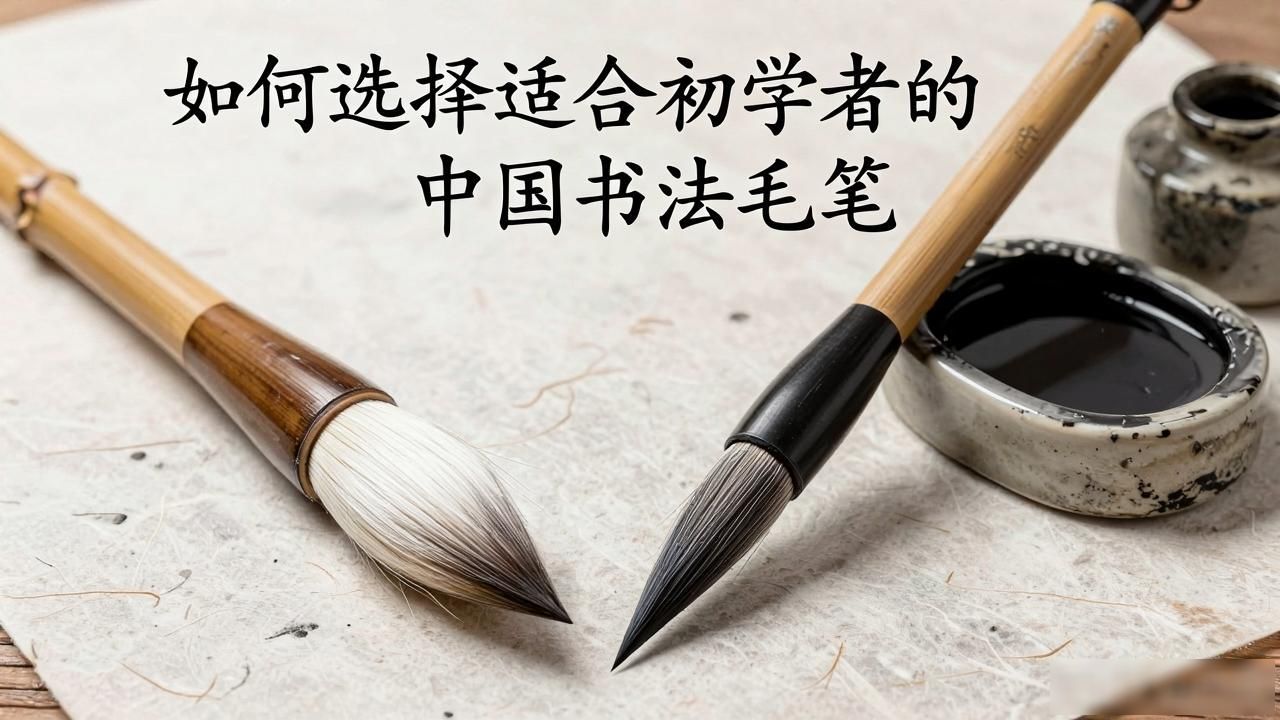
Picking the right tool is the first step in mastering this ancient art. Many beginners buy cheap sets online, only to find the ink beads up or the bristles split after one practice session. It’s frustrating. You aren’t just buying a stick; you are investing in an extension of your hand. The brush determines how the ink flows, how sharp the lines appear, and whether your calligraphy looks lively or stiff. Understanding the materials helps you avoid common pitfalls.
What type of hair should I look for?

The soul of a Chinese brush lies in its tip. Most traditional brushes use animal hair, which can be categorized mainly into two types: soft and hard. Soft brushes come from goat hair. They hold a lot of ink and produce wet, flowing lines that are perfect for expressive styles like Running Script. However, they lack resilience, making them tricky for precise work. Hard brushes, often made from wolf or weasel hair, are stiffer. They offer excellent control and crisp edges, ideal for Regular Script where structure matters most.
There is also a middle ground known as mixed-hair brushes. These combine soft goat hair at the core with harder outer hairs. This design offers the best of both worlds: good ink capacity with enough snap for definition. For a newcomer, starting with a mixed-hair brush is usually the safest bet. It teaches you control without being too unforgiving. If you prefer bold, sweeping movements, go for pure soft hair. If you like tight, structured characters, choose hard hair.
How do I test the quality of a brush?
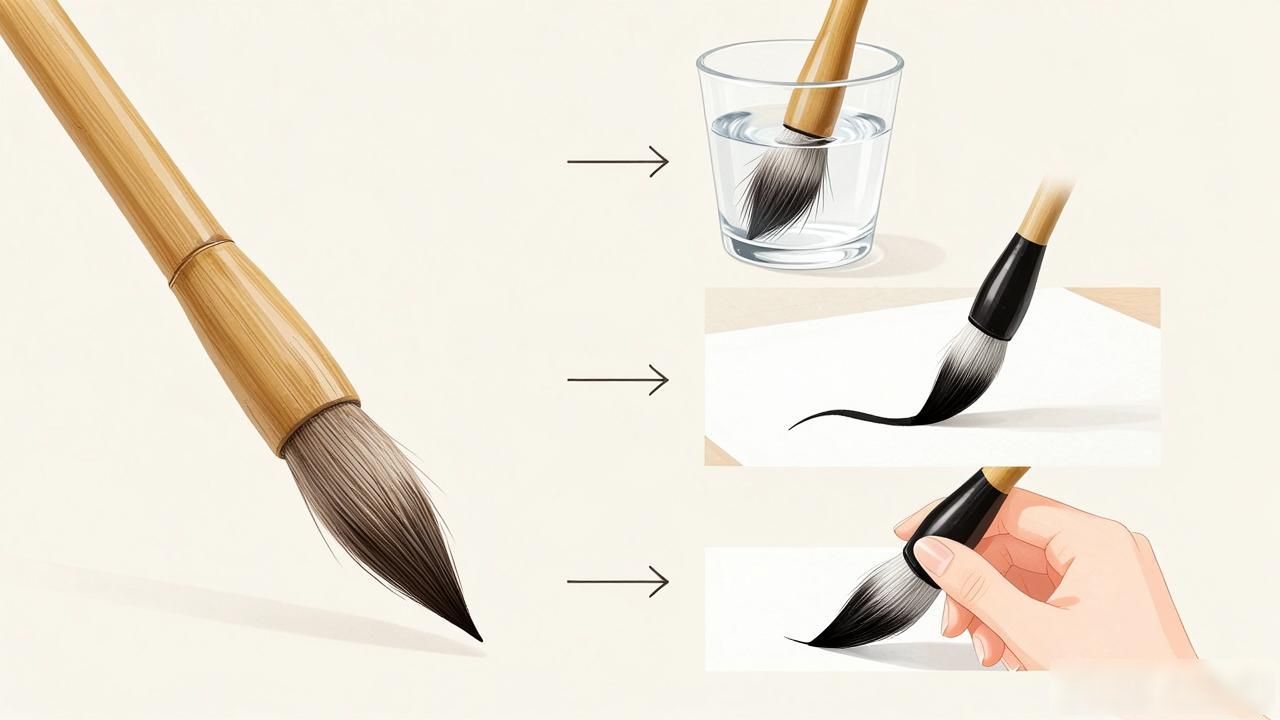
Size matters,but feel matters more. A good brush must stand alone when dipped in water. This test reveals the density of the bristles. If it fans out too easily, the craftsmanship is likely poor. You want a tip that tapers to a fine point smoothly. Run your fingers gently along the bristles. They should feel uniform and spring back quickly after being pressed. Any clumping or loose hairs indicate low quality.
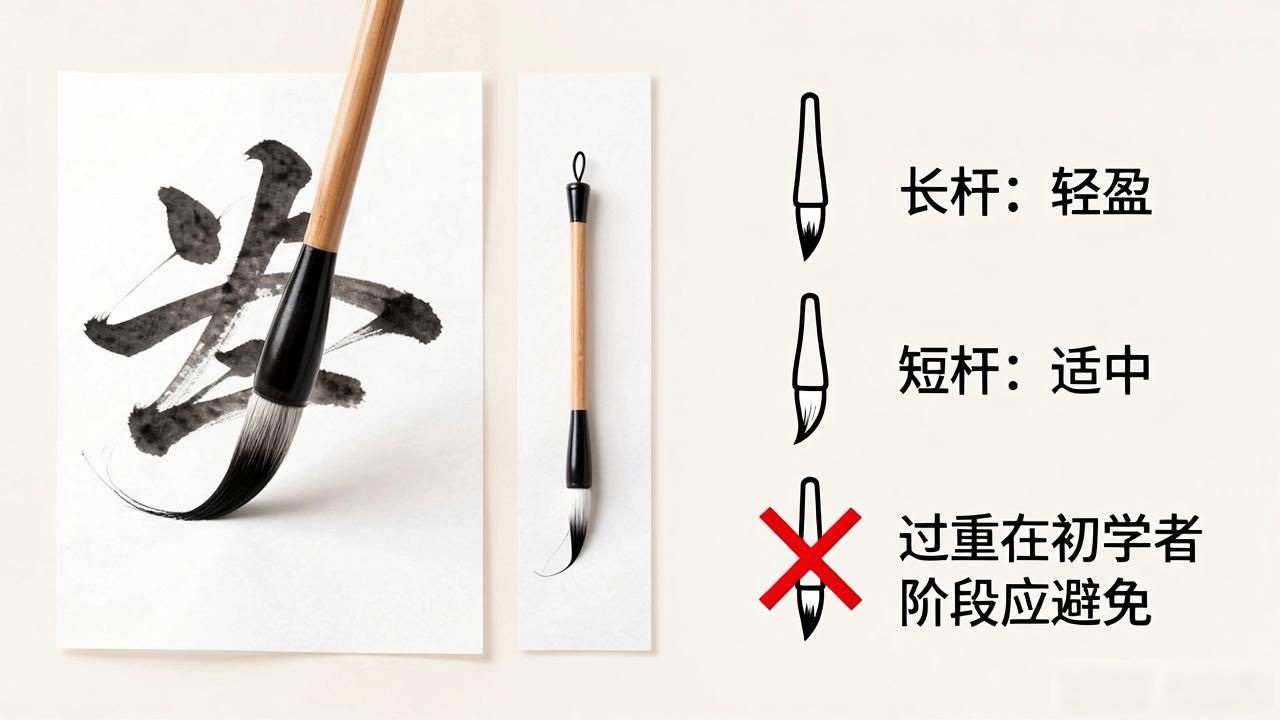
Handle length is another practical consideration. Longer handles give you more leverage for large characters on big sheets of paper. Shorter handles are better for small, detailed work or when writing in a confined space. Don’t ignore the weight. A brush that is too heavy will tire your hand quickly. Find a balance between comfort and stability. Visit a local store if possible to hold different sizes. Online reviews can help, but nothing beats the physical sensation in your hand.
Investing time in selecting the right brush pays off instantly. Your writing will flow more naturally, and your strokes will gain character. Start with one versatile mixed-hair brush. Master it before expanding your collection. The journey of ink and paper begins with a single, well-chosen tool.