
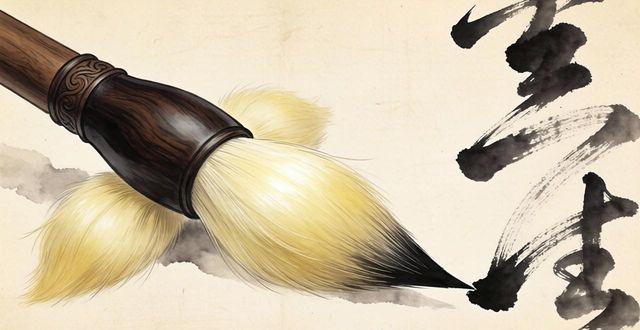
Chinese calligraphy brushes, known as maobi, are far more than simple painting tools. They embody centuries of artistic tradition, where the brush becomes an extension of the calligrapher’s mind and heart. Unlike Western pens or markers, these brushes offer incredible flexibility, allowing you to create both delicate thin lines and powerful, expressive strokes. For anyone starting their journey into Chinese calligraphy, understanding the brush is the first and most important step. This guide will walk you through the materials, selection, usage, and care of these unique instruments, helping you appreciate why the right brush can transform your writing from mere characters into living art.
What are Chinese calligraphy brushes made of

The heart of any calligraphy brush is its bristles. Traditional brushes use animal hair, and each type gives a very different feel and result. Wolf hair brushes (actually made from weasel tail hair) are firm and springy, making them ideal for crisp, angular styles like regular script (Kaishu). Goat hair brushes are soft and absorbent, perfect for flowing, expressive styles such as cursive script (Caoshu). Many brushes combine both, called mixed-hair or “jianhao” brushes, offering a balance of flexibility and control. The brush handle is usually bamboo, prized for being lightweight and straight, though you may also find handles made of wood, porcelain, or even jade.
How to select the right brush for your skill level
Beginners often make the mistake of buying the cheapest brush, but that can lead to frustration. A medium-sized mixed-hair brush is usually the best starting point. It is forgiving enough for learning basic strokes but responsive enough to give you clear feedback. Avoid very small or very large brushes at first—a brush with a bristle length of about 3 to 4 centimeters works well for standard practice. Also pay attention to the brush tip: when dry, the hairs should come together to a fine point without any stray strands. If the tip looks split or uneven, the brush will not perform well. Remember, investing a little more in a decent brush will make your practice sessions far more enjoyable and productive.
Proper way to hold and use a calligraphy brush
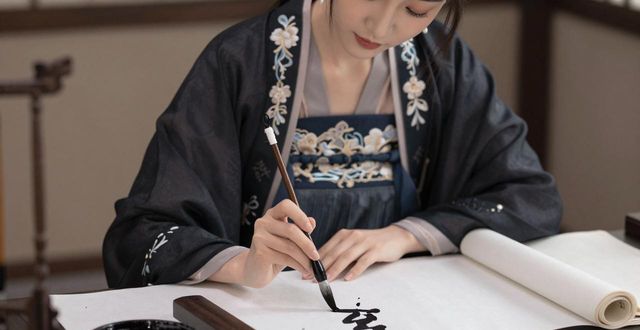
Holding a Chinese brush is different from holding a pen. You grip it vertically,not slanted, with your wrist slightly lifted off the paper. The thumb presses on one side while the middle and ring fingers guide the opposite side, allowing the brush to pivot freely. Do not squeeze tightly; the grip should be firm yet relaxed, like holding a live bird. When you make a stroke, let the brush move from your shoulder and arm, not just your fingers. This produces smooth, energetic lines. Dip the brush into ink only up to halfway of the bristle length, then gently wipe off excess ink on the rim of your ink stone or dish before touching the paper. Practice simple lines—horizontal, vertical, and circles—to feel how pressure changes the stroke width.
Cleaning and storing your brushes to make them last
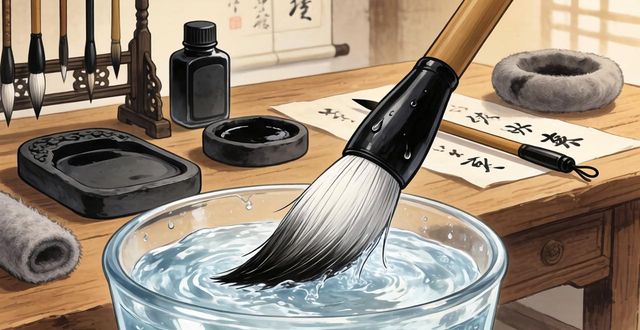
A good calligraphy brush can last for years, but only if you clean it properly. Never leave ink to dry inside the bristles, as it will harden and ruin the brush’s shape. After each session, rinse the brush under cool or lukewarm water—never hot water, which can damage the natural hair. Gently squeeze the water out from the base to the tip, but do not pull on the hairs. Once no more ink comes out, reshape the tip to a fine point and hang the brush upside down to dry, or lay it flat with the tip over the edge of a table so air circulates around it. Store brushes upright in a holder or roll them in a bamboo mat if traveling. Avoid leaving them in direct sunlight or damp places, as that can cause the handle to crack or the hairs to rot.
What style of Chinese calligraphy are you most excited to practice with your new brush? Share your thoughts in the comments below, and don’t forget to like and share this guide with fellow art lovers.