
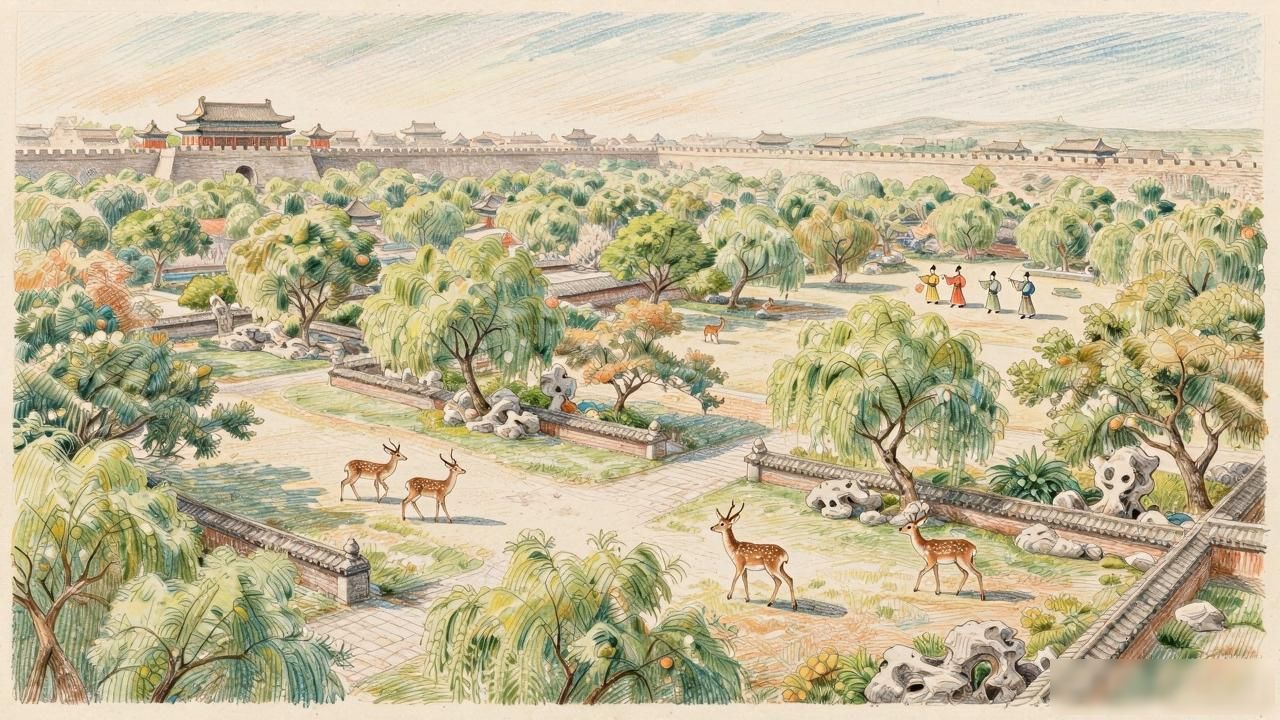
Suzhou Gardens are among China’s most treasured cultural landmarks, and their story stretches back over two millennia. These gardens are not simply pretty places to stroll—they are living expressions of Chinese philosophy, art, and a deep longing for harmony between humanity and nature. Understanding their origin helps explain why they continue to captivate visitors from around the world today.
Where Do Suzhou Gardens Come From

The earliest roots of Suzhou’s gardens can be traced back to the Spring and Autumn period (770–476 BC), when the State of Wu made Suzhou its capital. The first garden-like spaces were actually hunting parks designed for royalty, sprawling estates where emperors could enjoy the outdoors while displaying their power and authority. These weren’t the refined, intimate gardens we imagine today, but they planted the seed of an idea: that landscape could be shaped for pleasure.
Centuries later, during the Tang Dynasty, Suzhou began attracting poets and artists drawn to its lakes, hills, and waterways. Some started building small retreats along the city’s canals. These early私家庭院 were modest affairs, but they marked an important shift — garden-making became an expression of personal taste rather than just royal display.
Why Did Suzhou Gardens Become So Famous
Things truly exploded during the Song Dynasty (960–1279 AD). This was the era when Suzhou’s gardens transformed from simple retreats into sophisticated works of art. Wealthy scholars, officials, and literati began commissioning gardens that reflected their inner worlds. Gardens became canvases for poetic imagination — every rock, every pond, every winding path was meant to evoke a landscape painting come to life.
The Ming Dynasty (1368–1644) pushed this tradition even further. Suzhou’s economy boomed, and a new merchant class emerged with money and ambition. Building a beautiful garden became a status symbol, and within decades, dozens of extraordinary gardens appeared throughout the city. Some were modest; others were vast estates featuring elaborate rockeries, pavilions, and lotus ponds that wowed every visitor.
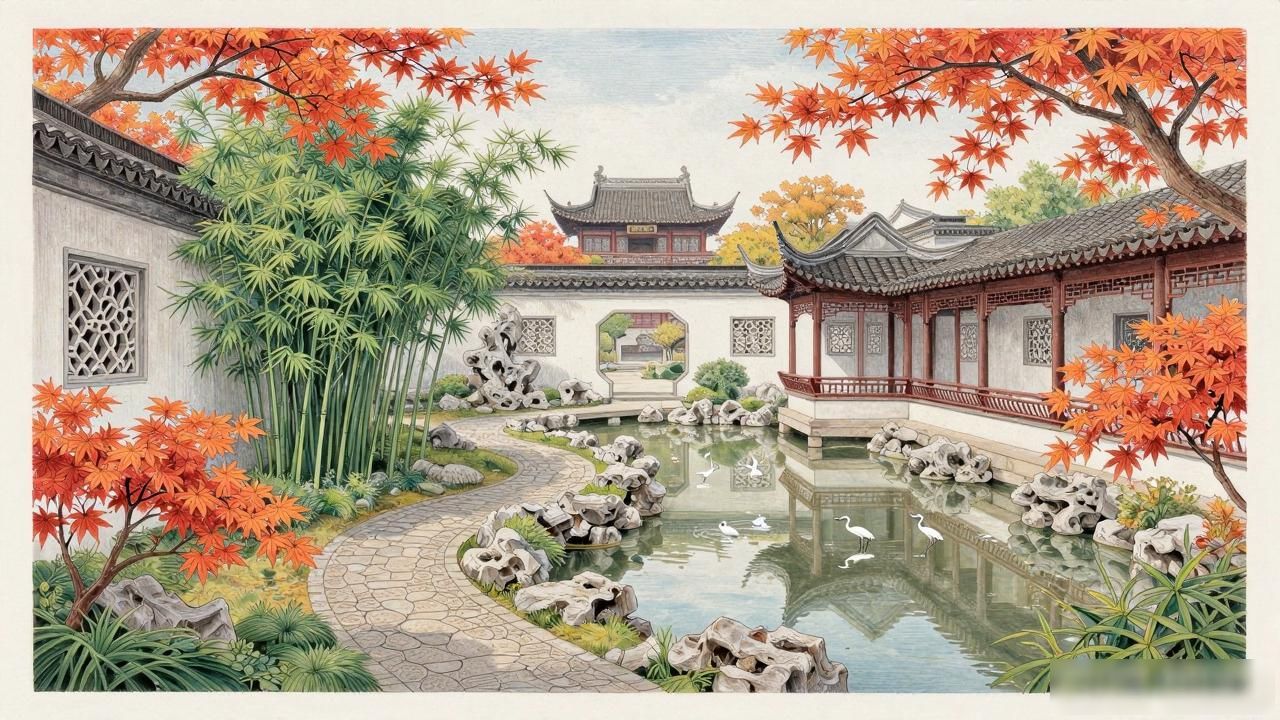
By the late Ming period, garden design had become almost a science. Famous gardens like the Humble Administrator’s Garden and the Lingering Garden were created with meticulous attention to scale, sightlines, and seasonal change. Designers borrowed scenery from distant temples, framed views through moon gates, and arranged rocks to suggest miniature mountains — all to create the illusion of infinite space within a small footprint.
Today, the Suzhou Classical Gardens are recognized by UNESCO as a World Heritage Site,and for good reason. They represent one of humanity’s oldest and most elegant attempts to shape the natural world into something deeply personal and meaningful. Their origin is not a single moment but a long, slow evolution spanning centuries — a story that continues to unfold.