
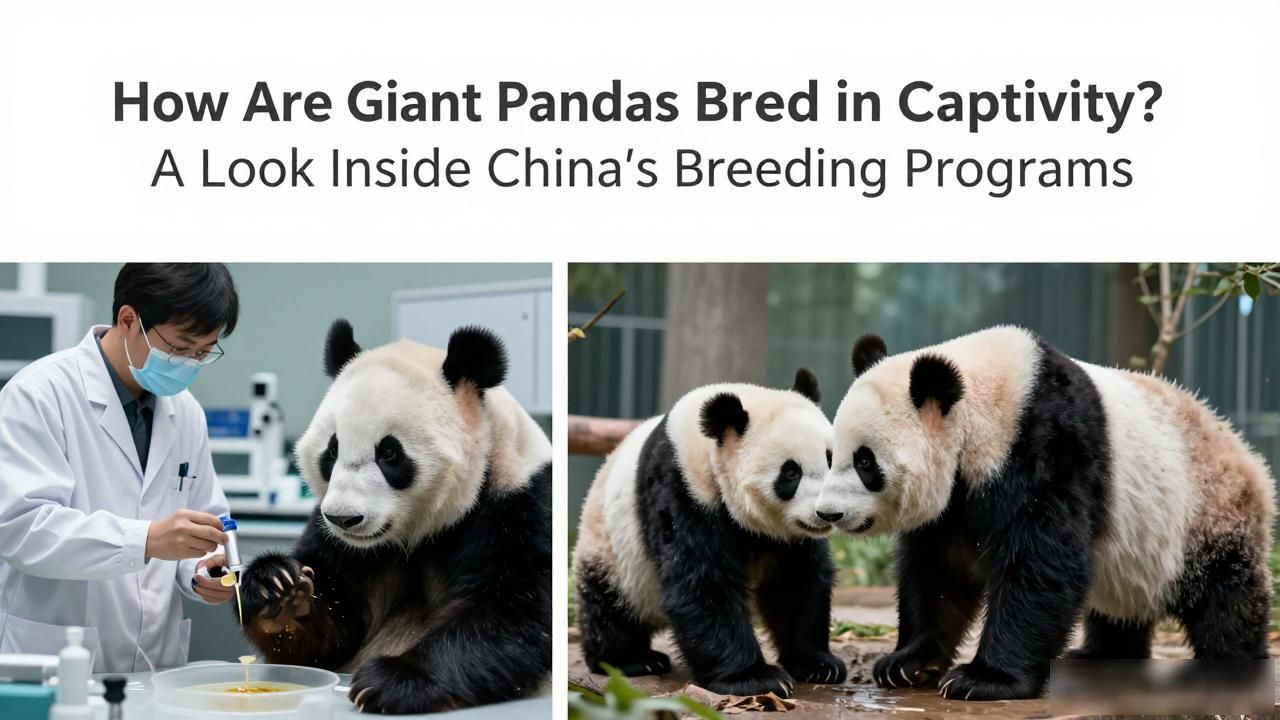
Giant panda breeding is one of the most challenging yet successful conservation efforts in modern zoology. For decades, pandas struggled to reproduce in captivity due to low libido, short fertility windows, and high infant mortality. Today, thanks to decades of scientific research and hands-on care, breeding programs have turned the species’ fate around. This article explores the key techniques and real-world challenges behind panda breeding.
Why is panda breeding so difficult in captivity
Female giant pandas are only fertile for 24 to 72 hours once a year. That narrow window makes timing everything. If keepers miss it, they have to wait another full year. On top of that, many captive pandas show little natural interest in mating. Male pandas often fail to mount or complete the act, even when introduced to a receptive female.

To address this, breeding centers use hormone monitoring and behavioral observation to pinpoint the exact ovulation day. Urine and blood samples are tested regularly. Once the window opens, keepers introduce the pair in a controlled environment. If natural mating fails,artificial insemination is the backup. This technique has become routine, with frozen sperm from genetically diverse males helping maintain a healthy population.
Another challenge is cub survival. Newborn pandas are tiny, blind, and completely dependent. They weigh only about 100 grams, roughly 1/900th of the mother’s weight. Mothers sometimes accidentally crush or abandon their cubs. Keepers step in to hand-rear or rotate cubs between the mother and incubators. This intensive care has pushed survival rates above 90 percent in top facilities like the Chengdu Research Base.
How do breeding centers decide which pandas to pair
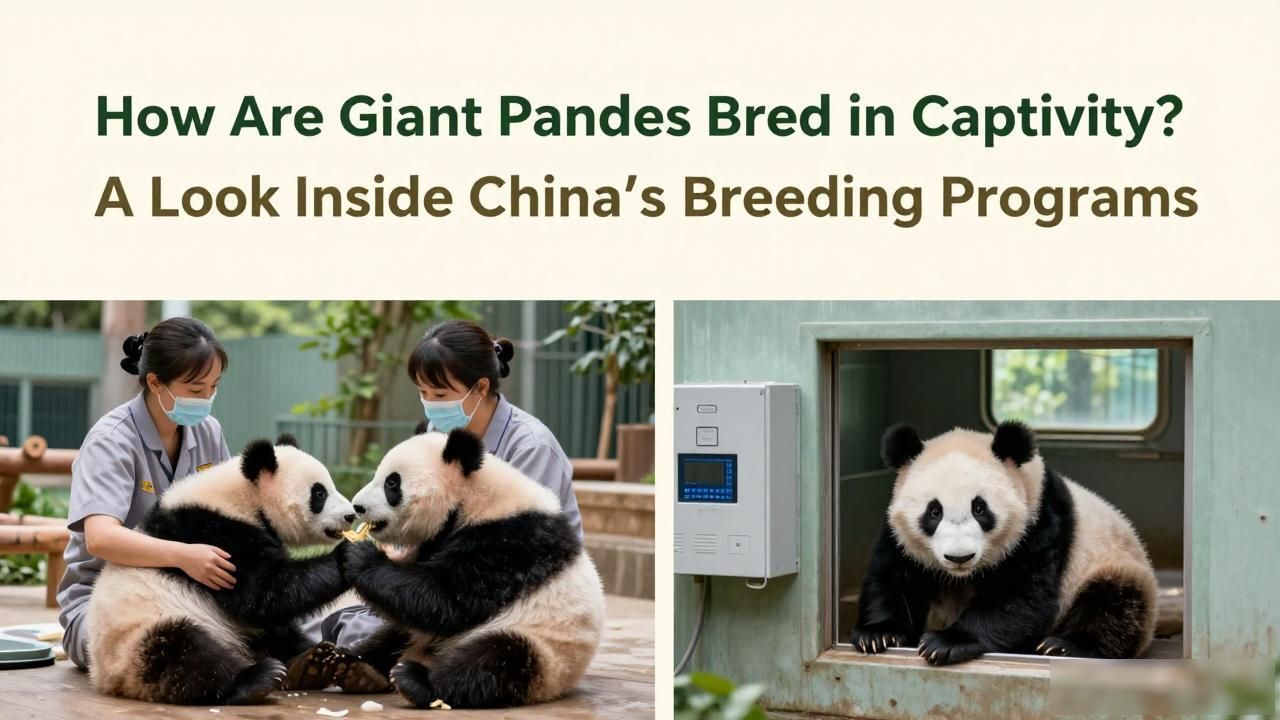
It is not just about putting a male and female together. Genetic management is at the core of modern panda breeding. Each panda in captivity has a detailed pedigree record. Breeders use software to calculate the genetic relatedness between individuals. The goal is to avoid inbreeding and maximize genetic diversity across the entire captive population.
Pairs are selected years in advance. Young pandas are often sent to different facilities to prevent them from breeding with close relatives. The studbook keeper, usually a senior biologist, coordinates all international and domestic transfers. For example, a panda born in the U.S. might be sent to China specifically to mate with a genetically complementary partner.
Behavioral compatibility also matters. Some pandas simply do not get along. Keepers observe how pandas react to each other through mesh barriers before a full introduction. If a female shows aggression or stress, the pairing is postponed or changed. In some cases, pandas that refuse to mate naturally for years still produce cubs through artificial insemination using sperm from a preferred male.
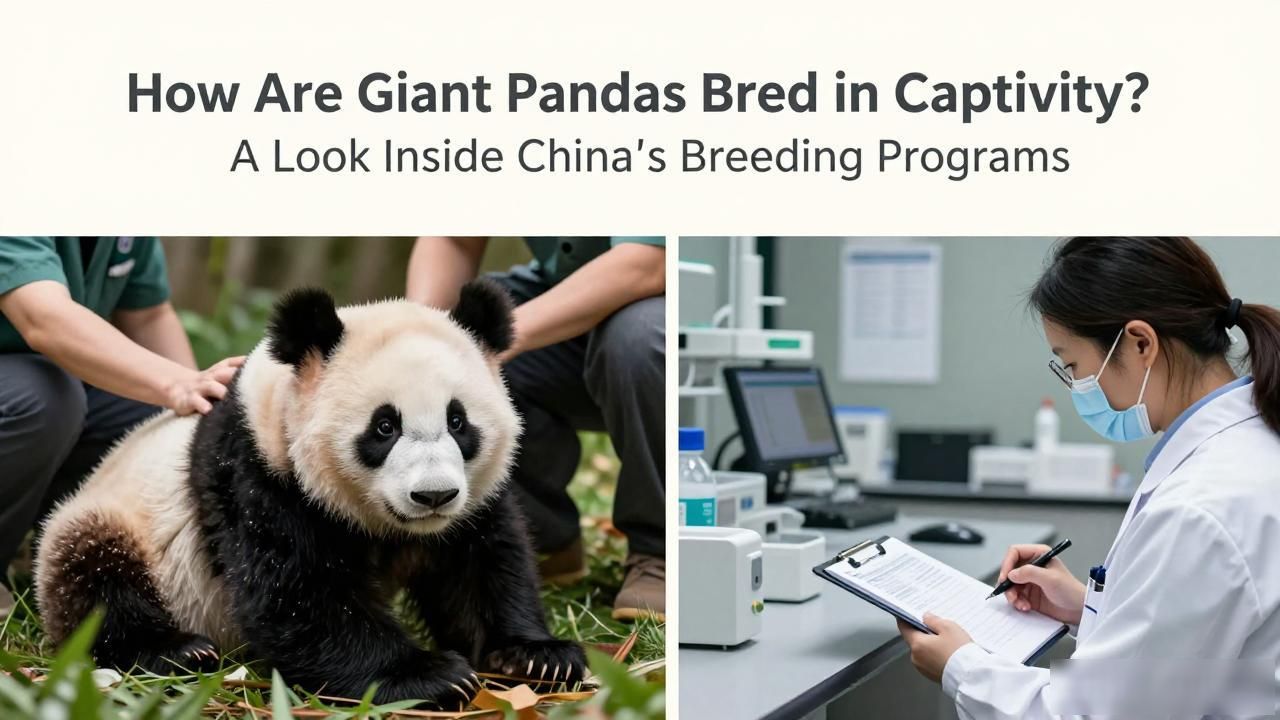
The ultimate measure of success is not just the number of cubs born, but how many survive and eventually breed themselves. A well-managed program produces pandas that are healthy, genetically diverse, and capable of living in the wild if ever released. That is the real goal behind every carefully planned pairing.
Breeding pandas is a slow, expensive, and highly technical process. It requires patience, precision, and a deep understanding of panda biology. But the results speak for themselves. The giant panda was downgraded from endangered to vulnerable in 2021, thanks in large part to these captive breeding programs.