
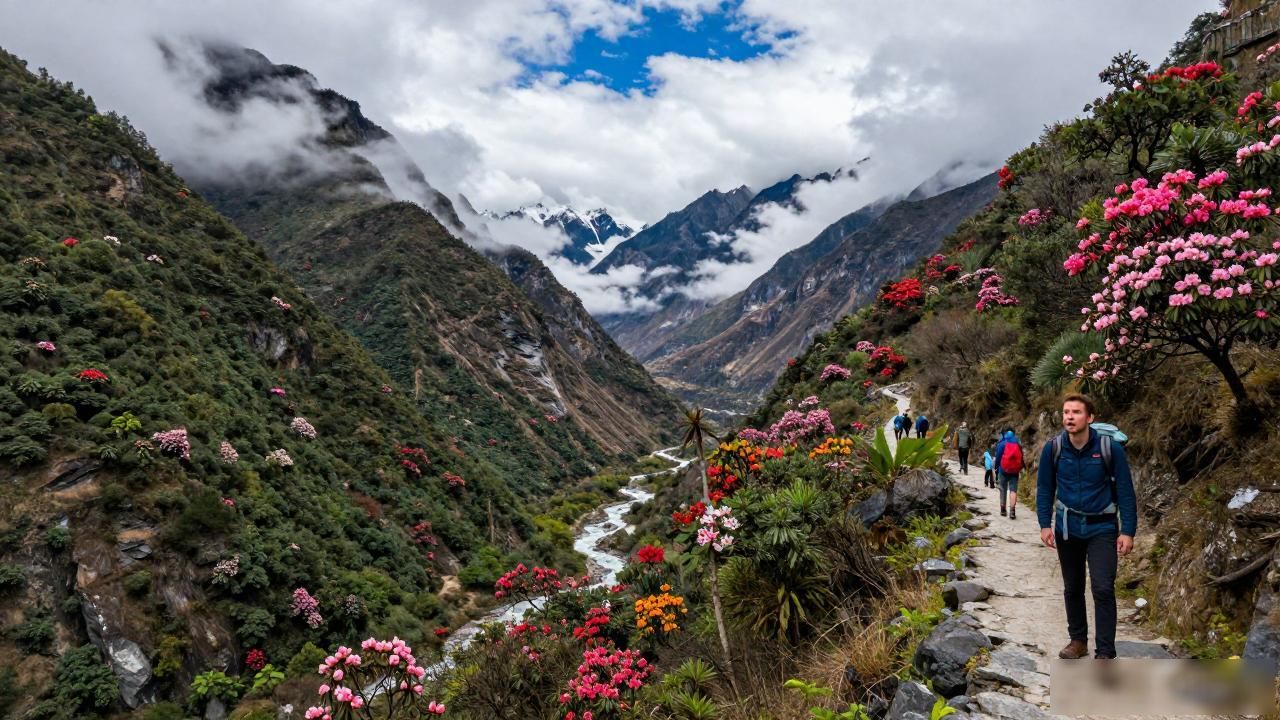
China’s vast western landscapes hide some of the most breathtaking hiking experiences on the planet. These mountains draw adventurers away from crowded tourist hotspots, offering solitude, dramatic scenery, and a raw connection with nature that few other places can match.
But remote doesn’t mean easy. These trails demand preparation, respect, and a willingness to step outside your comfort zone.
Which Remote Mountains Are Worth Hiking in China

Yunnan Province stands out as a top destination for independent hikers. The Hengduan Mountains along the China-Myanmar border deliver alpine valleys, rhododendron forests, and high passes that rival anything in the Himalayas. Tiger Leaping Gorge remains popular,but venturing into the nearby Haba Snow Mountain trekking routes opens up a world of empty trails and genuine wilderness.
Sichuan offers equally stunning options. The Muli Tibetan Autonomous Prefecture in south-central Sichuan sits largely untouched by mass tourism. Treks through its prayer-flag-dotted valleys and glacial lakes reveal a China most travelers never see. Remote trails here wind through Tibetan pastoral landscapes where yak herders still follow ancient seasonal patterns.
Xinjiang’s Tianshan range provides another compelling choice. The Kalajun and Nalati grassland areas offer multi-day treks through flower-covered meadows flanked by snow-capped peaks. These routes attract very few foreign hikers, which means pristine environments and warm interactions with local Kazakh herders.
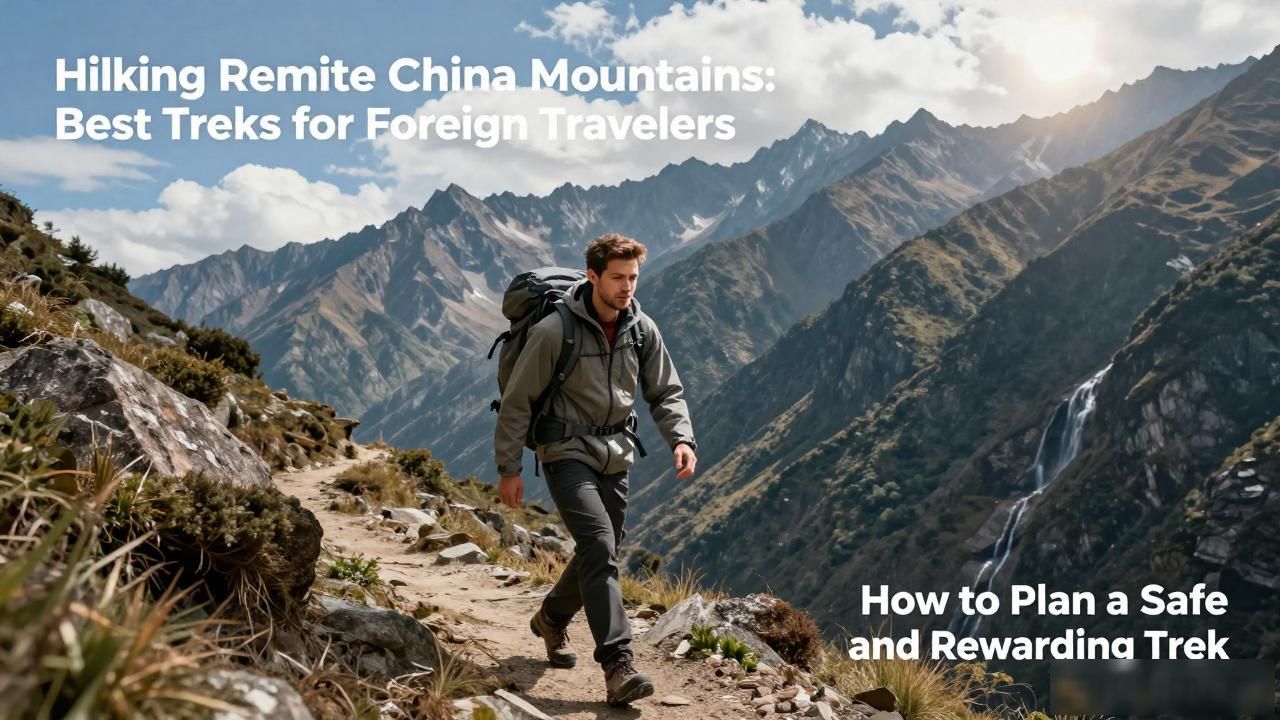
How to Plan a Safe and Rewarding Trek
Permit requirements vary significantly depending on the region. Border areas, nature reserves, and ethnic autonomous regions often require special documentation. Foreign hikers should secure permits through registered travel agencies before departure. Attempting to arrange everything locally in remote areas risks delays, denials, and missed opportunities.
Season timing is critical. Summer monsoon season brings landslide risks and leech-infested trails in southern regions. Winter brings dangerous cold at altitude. The best window for most remote mountain treks falls between late April and early June, or September and October, when weather is stable and trails are clear.
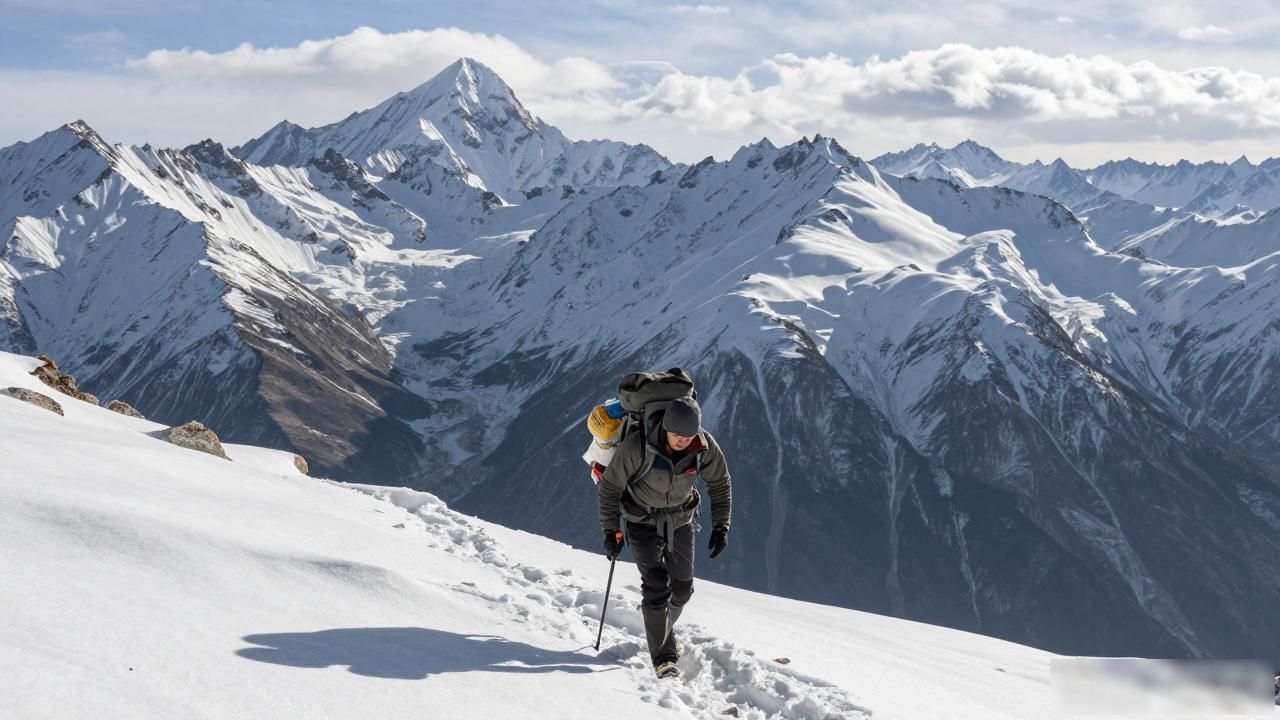
Physical preparation cannot be overstated. Many remote trails exceed 4,000 meters in elevation. Altitude sickness hits unprepared hikers hard, and rescue services in these areas are virtually nonexistent. Acclimatize properly, carry adequate supplies, and never underestimate mountain weather, which can shift from sunshine to brutal storms within minutes.
Hiring local guides is not just helpful—it is often essential. Remote Chinese mountain trails are rarely marked on international maps. Local knowledge proves invaluable for navigation, cultural sensitivity, and emergency situations. Many guides also arrange permits, homestays, and transportation that would otherwise take days of coordination.
These mountains reward those who approach them with patience, respect, and proper preparation. The solitude, the landscapes, and the encounters with people living off the beaten path make every challenging mile worthwhile.