
When travelers dream of Yunnan, images of Dali’s ancient walls and Lijiang’s crowded canals often come to mind. But the real soul of this province lies far from the selfie sticks and souvenir stalls. Over years of exploring remote valleys and forgotten trading routes, I’ve learned that off the beaten path travel in Yunnan isn’t just about avoiding crowds—it’s about discovering living cultures and landscapes that have remained unchanged for centuries. Let me share five genuine experiences that will transform your trip from a typical tour into a personal journey.
Where to escape the tourist crowds
The simplest answer is to head southwest towards the Myanmar border. Most foreign visitors stick to the well-trodden Kunming-Dali-Lijiang-Shangri-La corridor. Instead, take an overnight bus to Simao or Lancang. These areas are lush, green, and home to many ethnic minorities who rarely see Western travelers. Another secret is Huaning County, three hours south of Kunming,where you can hike through orange groves and soak in natural hot springs without another tourist in sight. The key is moving away from any destination with an airport easily accessible from major Chinese cities.

How to experience authentic Hani culture
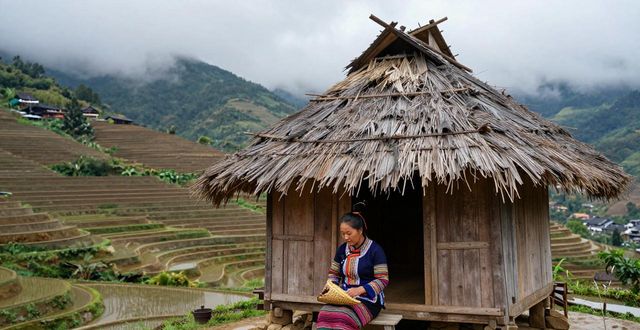
Forget the paid performances at Yuanyang’s rice terraces viewpoint. Drive two hours deeper into the mountains to the village of Azheke, a 600-year-old Hani settlement built entirely of mushroom-shaped thatched huts. Here, families still wake before dawn to tend their buffalos and plant red rice on slopes so steep they use ropes to keep from slipping. Stay overnight in a homestay run by Uncle Li, who will show you how to fish for snails in the terrace channels and cook a meal using bamboo tubes over an open fire. He doesn’t speak English, but his laughter is universal, and he’ll insist you try his homemade corn wine before sunset.
What to eat beyond the tourist menus
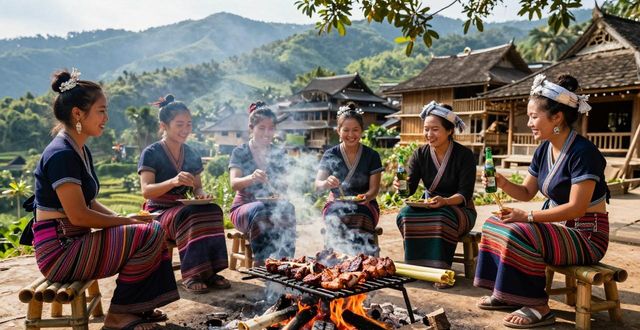
Crossing-bridge noodles are delicious, but they are not what locals eat daily. In the hills of Dehong Prefecture, you will find Dai-style barbecue where spiced pork wrapped in lemongrass is grilled over charcoal while you sit on low bamboo stools. Near the border with Laos, try “sour tea” – a fermented tea leaf salad mixed with peanuts, garlic, and chili, chewed like a savory snack. For the adventurous, head to the morning market in Jinghong at 6 a.m. and look for grilled bamboo worms and ant eggs soup. These dishes are not gimmicks; they are centuries-old sources of protein born from a landscape that demands resourcefulness.
Why staying in a traditional village matters
There is a growing network of community-run guesthouses in villages like Nuodeng, an ancient salt well town perched on a cliff above the Lancang River. When you pay for a room here, your money goes directly into a village fund that supports the local school and maintains the thousand-year-old well. More importantly, you become a participant rather than a spectator. You might wake to the sound of a blacksmith hammering a plow, join grandmothers as they tie-dye fabric using indigo grown in their backyards, or be invited to a wedding feast simply because you smiled and said “ni hao.” These moments cannot be packaged or sold online.
What is the best season for remote Yunnan
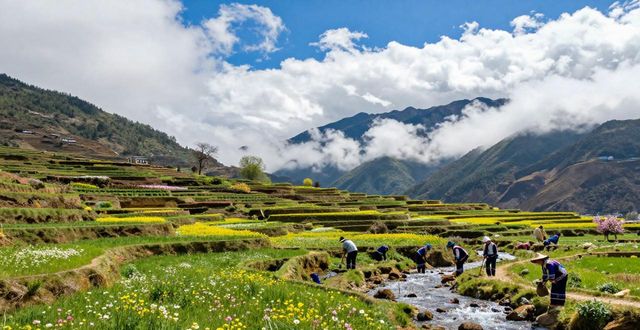
Most guidebooks recommend spring and autumn, but those are also the busiest months. For true solitude, visit during the rainy season from June to August. Yes, it rains almost daily, but usually only for an hour in the afternoon, and the entire landscape turns a shade of green you never knew existed. The waterfalls roar, the rice terraces mirror the clouds, and you will have entire mountain trails to yourself. Just be prepared for leeches if you hike through dense forest – local farmers wear salt on their ankles, a trick that works surprisingly well. December is another hidden gem: the skies are crystal clear, and you can see all the way to snow-capped peaks that most tourists never know are there.
Have you ever stepped off the tourist trail in Asia and found a place that completely changed how you see travel? Share your story in the comments below – and if this guide helped you, hit like and save it for your next Yunnan adventure.