
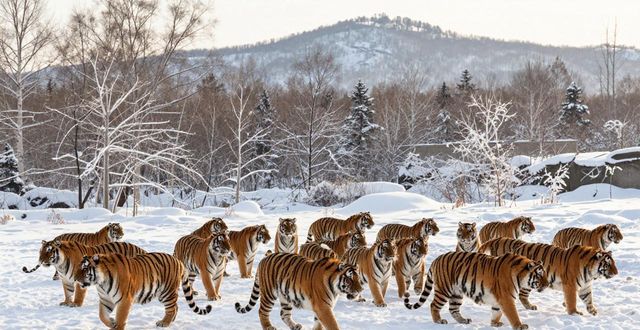
Harbin in winter is famous for its ice and snow festival, but beyond the carved ice castles lies a quieter, more natural wonder—the region’s winter wildlife. From the dense forests of the Siberian Tiger Park to the frozen wetlands along the Songhua River, winter transforms these animals’ behaviors and habitats in fascinating ways. Understanding how to spot and respect these creatures makes for an unforgettable cold-weather adventure.
Where to see wildlife in winter

The best places to observe winter wildlife around Harbin are the Siberian Tiger Park and the nearby Yabuli forest region. The tiger park houses over 500 Siberian tigers,and winter is actually the best time to see them active—their thick winter coats grow even fluffier, and they move more during daylight to hunt and patrol territory. For birds, the wetland areas north of the city, especially around Zhalong Nature Reserve (about an hour’s drive), host endangered red-crowned cranes that stay through mild winters. Don’t overlook the urban parks either; Stalin Park along the frozen river often has flocks of Eurasian bullfinches, their bright red chests popping against white snow.
How do animals survive extreme cold
Siberian tigers grow a dense undercoat that can be up to five centimeters thick, plus a layer of fat under their skin. Their paws are broad and furred, acting like natural snowshoes. Roe deer and wild boar in the surrounding mountains change their daily routines—they feed heavily during the short daylight hours and huddle together in sheltered valleys at night. Birds like the black grouse dig snow caves to sleep in, trapping body heat while avoiding wind. Even fish under the river ice slow their metabolism so drastically that they barely need oxygen for months. These adaptations are not just interesting—they show how life finds a way in one of China’s coldest regions.
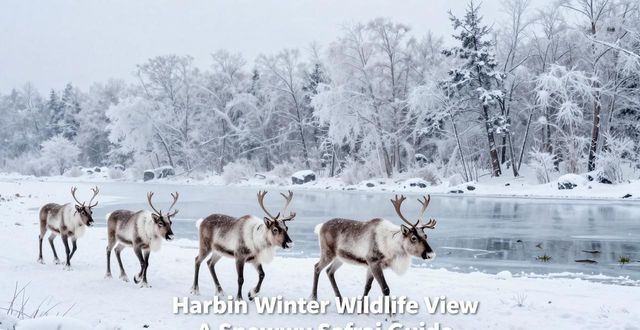
When is the best time for a wildlife trip
Early morning, between 7:00 and 9:00 AM, is prime viewing time. The temperature is often minus 20 to minus 30 degrees Celsius, but that’s exactly when tigers are most active after their night rest and before the midday lull. Late afternoons around 2:00 to 3:00 PM are also good, as many animals come out to feed before sunset. Avoid midday (11 AM to 1 PM) when even the hardiest creatures retreat to windbreaks. The best month is January, when snowfall is deepest and animal tracks are easiest to read. If you want to see the cranes, late December to early February offers the clearest skies and most predictable sightings.
What to bring and how to stay safe
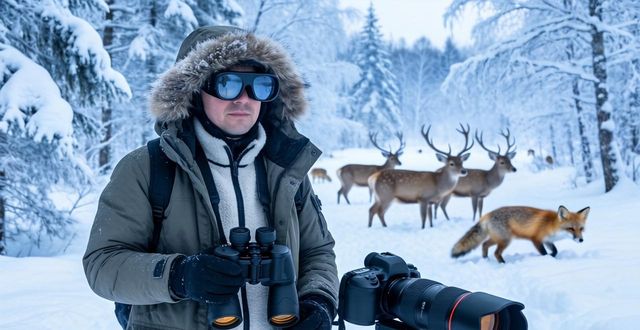
Dress in layers—thermal base, fleece, and a windproof parka rated for minus 40 degrees. Hand warmers are essential for keeping camera batteries alive, because cold kills electronics fast. Bring binoculars with anti-fog lenses and a telephoto lens for your phone or camera; getting too close to any wild animal, even a seemingly calm deer, can trigger a stress response or a charge. Stick to designated viewing platforms and never feed wildlife. The local guides at the tiger park are incredibly knowledgeable—hire one for at least two hours. They know exactly which tigers have which personalities and where the shy snow hares hide.
Have you ever experienced a winter wildlife encounter in a place as cold as Harbin, and what animal would you most hope to see? Share your thoughts below, and if this guide helped you plan your trip, give it a like and pass it along to fellow adventurers.