
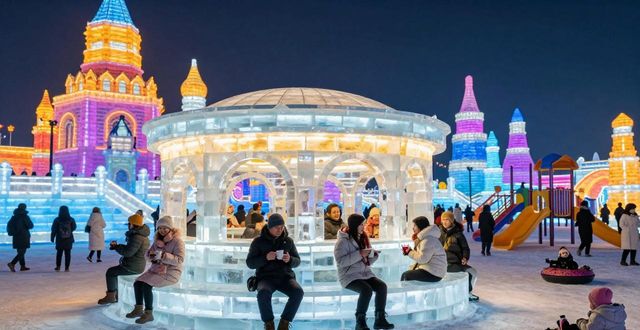
When people imagine a winter wonderland, Harbin in northeastern China often comes to mind as the ultimate frozen fantasy. This city transforms into an magical amusement park each winter, featuring enormous ice castles, glowing sculptures, and thrilling snow activities. For international travelers seeking a once‑in‑a‑lifetime cold‑weather adventure, Harbin’s winter amusement park is a dream destination that blends art, culture, and pure fun.
What’s inside
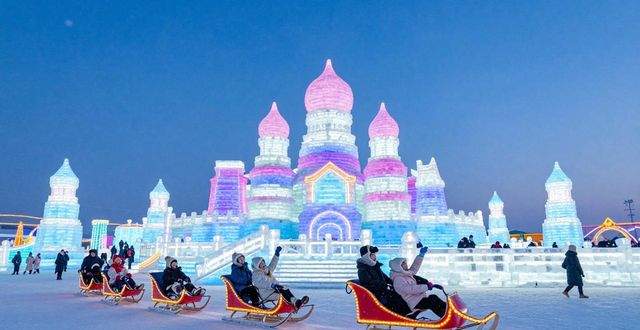
The heart of the wonderland is the Ice and Snow World, a massive exhibition zone where entire buildings are carved from ice harvested from the Songhua River. You can walk through ice palaces, slide down hundred‑meter‑long ice slides, and admire illuminated replicas of famous global landmarks. Each year the theme changes, so returning visitors always find something new. The park also includes a snow sculpture expo, where artists create detailed figures as tall as three‑story buildings. Beyond viewing, you can ride snowmobiles, try ice biking, and even join a dog sled race. Every corner offers a different kind of winter thrill.

For those who prefer a gentler pace, the park has cozy ice bars where you can sip hot drinks inside a glass made of ice. Live performances, including Russian ballet and ice lantern shows, run every evening. Families with children will love the dedicated kids’ zone with smaller slides, snow tubing, and interactive ice mazes. The park opens from late December to late February, with special events during the Harbin International Ice and Snow Festival. Nighttime visits are especially magical because colorful LED lights make the ice glow like stained glass.
When to go
The best time to experience Harbin winter amusement park is from mid‑January to early February,when the ice sculptures are fully completed and the weather is reliably cold – usually between -15°C and -25°C. This extreme cold is essential to keep the ice solid and the attractions safe. However, the peak season also means larger crowds, especially during the Chinese New Year holidays. If you prefer fewer people, consider visiting in the first two weeks of January or the last week of February. The park officially opens around December 25th, but early visitors may find some sculptures still under construction.
You should plan to spend at least four to six hours inside the park to see the main highlights. Late afternoon is the ideal entry time: you can enjoy some outdoor activities in the remaining daylight, then watch the breathtaking sunset over the ice, and stay for the evening light show. Most attractions close by 9:30 PM. Be sure to check the official website for exact dates, as warm winters can cause delayed openings. Also, note that the park is closed on Chinese New Year’s Eve. Booking tickets online at least a week in advance is strongly recommended, because daily visitor numbers are capped for safety.
How to prepare
Dressing correctly is the most important part of your visit. You need a thermal base layer, a fleece mid‑layer, and a windproof waterproof outer jacket. Down pants or insulated snow pants are essential for your legs. For your feet, wear thick wool socks plus insulated snow boots with deep treads – the ground is pure ice. Don’t forget a balaclava or face mask, ski goggles (regular sunglasses may freeze), and mittens instead of gloves because fingers stay warmer together. Hand and foot warmers are lifesavers; you can buy them cheaply in Harbin pharmacies. Many foreigners underestimate the cold, so when in doubt, add another layer.
Pack a portable charger, because your phone battery will drain extremely fast in subzero temperatures – keep it in an inner pocket close to your body. Also bring a small thermos with hot tea or cocoa. The park has restrooms and heated rest areas, but they are spaced far apart. Cash is still useful for small vendors, though most ticket booths and cafés accept Alipay or WeChat Pay (set these up before you leave home). Finally, learn a few basic Chinese phrases like “Hello” (Nǐ hǎo) and “How much?” (Duō shǎo qián). English signs are common in the main park, but staff in smaller stalls may not speak English.
Is it worth it
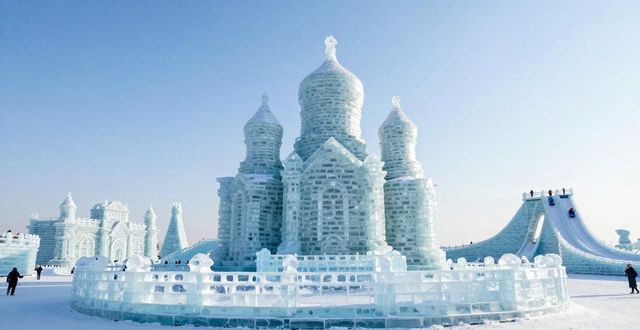
Absolutely, for any traveler who loves unique winter experiences. The sheer scale and artistry of Harbin’s ice constructions are unmatched anywhere in the world. Nowhere else can you walk through a cathedral made of crystal‑clear ice or zoom down a slide carved from a frozen fortress. Compared to other winter attractions like Sweden’s Icehotel or Japan’s Sapporo Snow Festival, Harbin offers a larger area, more activities, and significantly lower food and entry prices. A standard adult ticket costs about 300 RMB (roughly 40 USD), which is reasonable for a full day of entertainment. The park is well maintained, with English safety instructions on all major rides, and medical stations available in case of frostnip.
That said, the bitter cold is not for everyone. If you hate low temperatures or have respiratory issues, consider a shorter visit or skip it entirely. Also, the park can feel overcrowded on weekends and holidays, with waiting times of 30–60 minutes for the most popular slides. But if you prepare properly and set your expectations, Harbin winter amusement park delivers a truly wonderland experience that you will remember for a lifetime. Thousands of international visitors return year after year – and many say it beats any Christmas market or alpine ski resort they have ever seen.
Now I’d love to hear from you: Which winter activity would you try first – the 300‑meter ice slide, a dog sled ride, or just sipping hot wine in an ice bar? Share your thoughts in the comments, and if this guide helped you, please give it a thumbs up and share it with your travel buddies!