
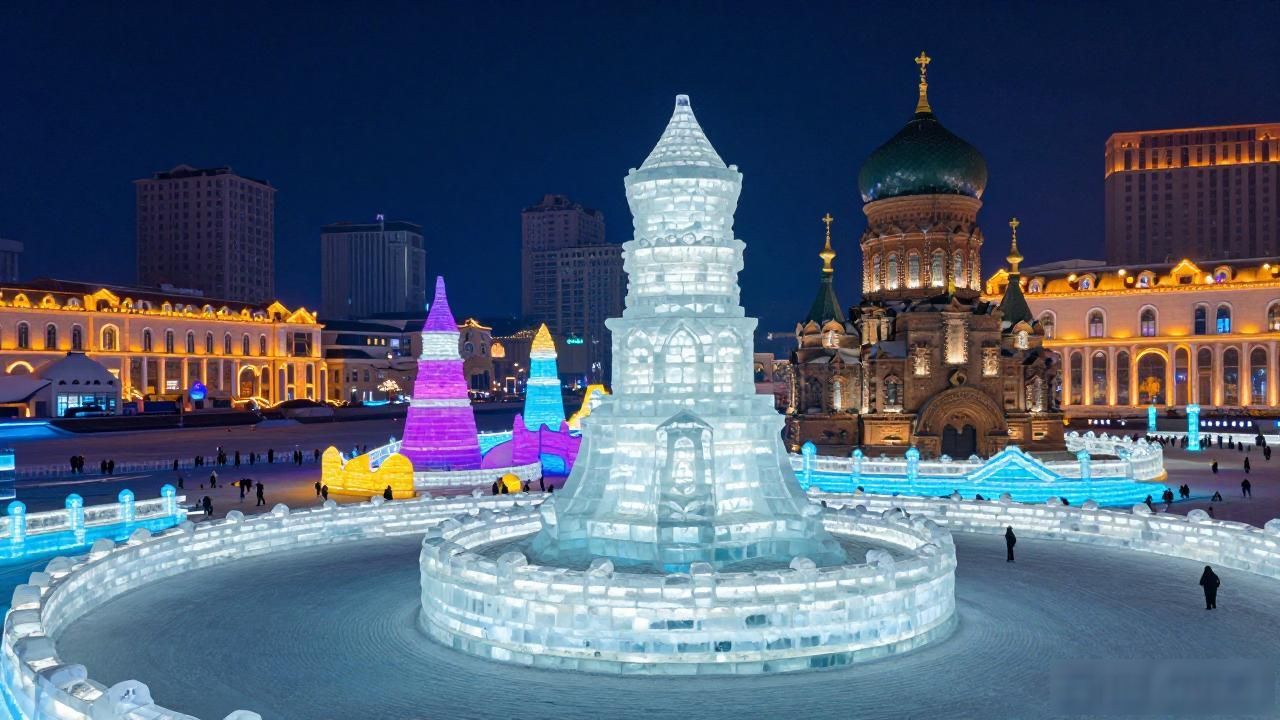
Harbin is a city that feels like stepping into another world. Located in northeastern China, it carries a distinctly European flavor unlike any other Chinese city. Russian architecture lines its streets, snow blankets the ground for months each winter, and the famous Ice Festival draws millions of visitors annually. For foreigners planning a trip here, understanding what makes Harbin unique is the first step toward an unforgettable experience.
Why Visit Harbin in Winter

The Harbin Ice and Snow Festival is the main reason most travelers choose this city. Running from early January through late February, the festival transforms the city into a frozen wonderland. Massive ice sculptures carved from blocks taken directly from the Songhua River light up at night in vivid colors. The Ice and Snow World venue alone covers several square kilometers and features slides, rides, and intricate architectural replicas made entirely of ice.
Temperatures regularly drop below minus twenty degrees Celsius, so dressing properly is not optional. Layered clothing, thermal underwear, hand warmers, and waterproof boots are essentials. Many travelers underestimate the cold and end up miserable within hours. The festival atmosphere is magical, but only if you are prepared for the weather.
Beyond the ice sculptures, the city offers a surprisingly rich cultural experience. Central Street, a pedestrian avenue stretching over a kilometer, runs with cobblestones and Russian-style buildings. You can visit Saint Sophia Cathedral, sip hot chocolate in a century-old café, or simply watch locals skate on frozen fountains. The blend of Chinese and Russian influences creates an atmosphere that feels both exotic and comfortable for foreign visitors.
What to Eat and How to Get Around
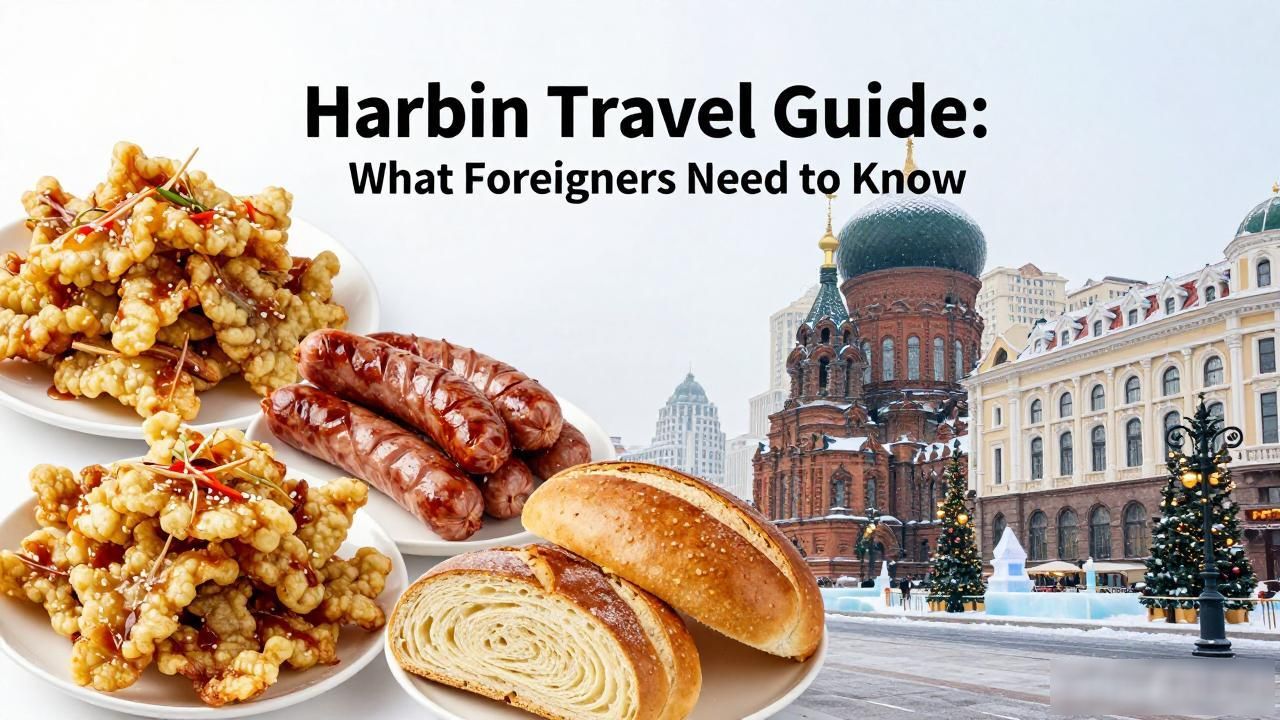
Harbin food is a highlight that many travelers overlook. The city sits in a region known for hearty, warming dishes perfect for the cold climate. Try the local sausage, known as Harbin Hong Chang, which has a garlicky flavor influenced by Russian curing techniques. Soup dumplings, called tangbao, are another local specialty with a rich broth inside a thin wrapper. For something more substantial, stewed pork with potatoes and noodles will keep you warm for hours.
Russian cuisine is widely available throughout the city, reflecting the large historical Russian community. Bakeries sell bolunya, a type of Russian bread with a crispy crust, and restaurants serve borscht, pelmeni, and shashlik alongside Chinese favorites. The food scene is affordable compared to Beijing or Shanghai, making it easy to eat well without spending much.
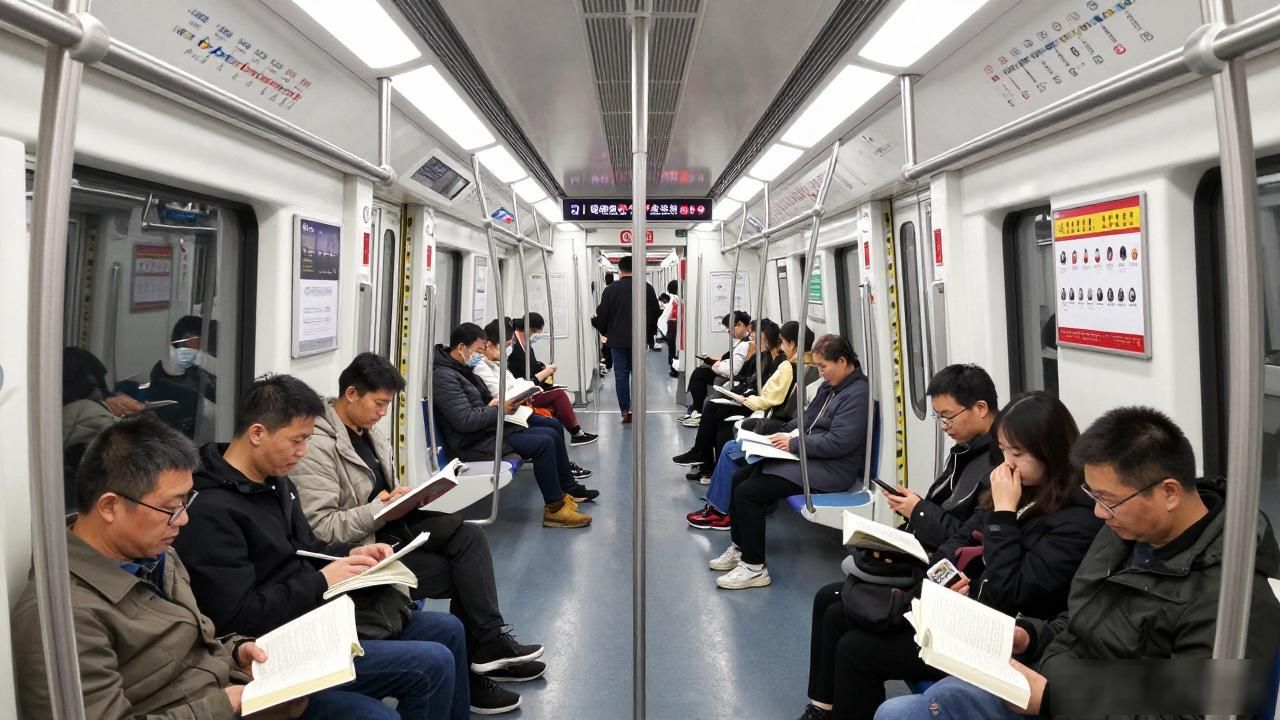
Getting around Harbin is straightforward. The city has a modern metro system with three lines covering most tourist areas. Buses are cheap and frequent, though signs are primarily in Chinese. Taxis and ride-hailing apps like DiDi work reliably and are inexpensive. The airport is about forty minutes from the city center by car. For visitors staying a few days, the metro and taxis combined will cover everything you need to see.
Harbin rewards travelers who embrace its cold and its quirks. It is not a polished tourist destination, but that is partly what makes it special. The ice sculptures are breathtaking, the food is satisfying, and the atmosphere is unlike anywhere else in China. Plan for the winter,pack for the cold, and you will leave with stories worth telling.