
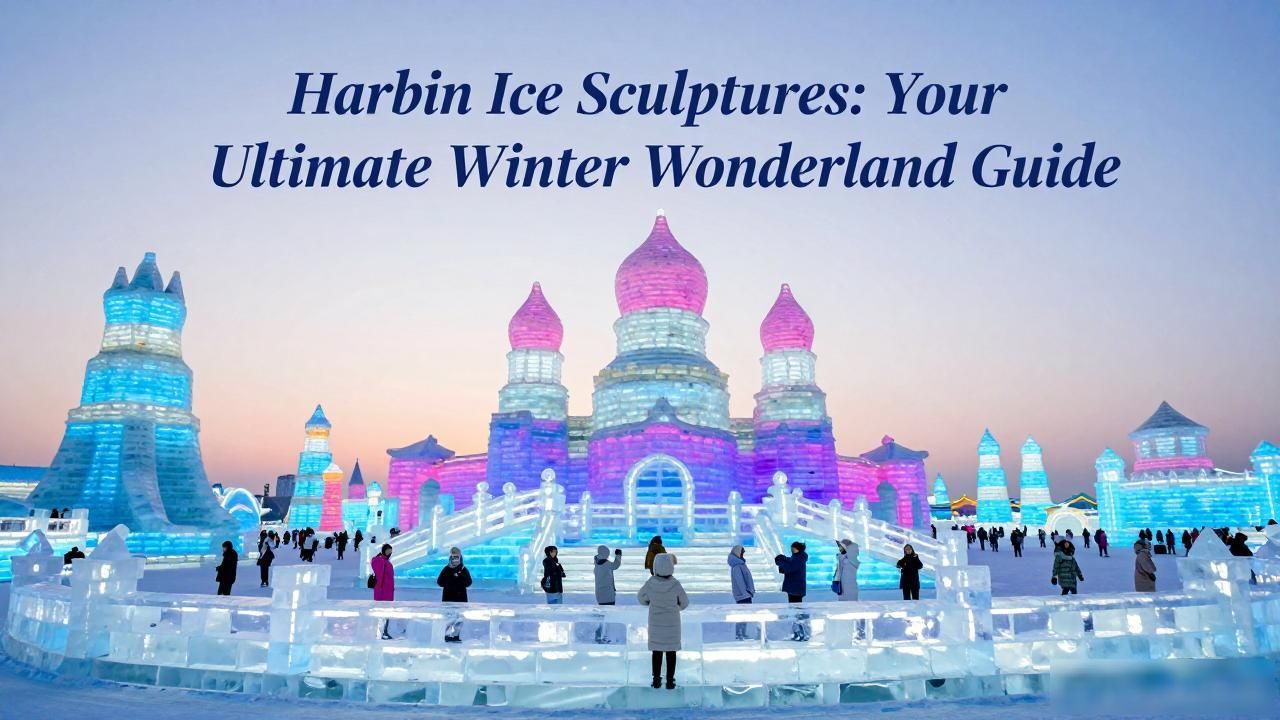
Standing at the threshold of a frozen metropolis, one realizes that Harbin is not merely a city but a canvas painted in ice and snow. For travelers seeking an escape from the mundane, this northern Chinese gem offers a spectacle that defies logic and warms the soul through sheer visual impact. The transformation of the Songhua River into a glittering expanse turns the harsh winter cold into a celebratory atmosphere, where architecture melts away to reveal structures carved from pure, translucent blocks. This phenomenon attracts thousands who wish to witness how humanity can collaborate with nature to create ephemeral masterpieces.
Where are the best Harbin ice sculptures located?

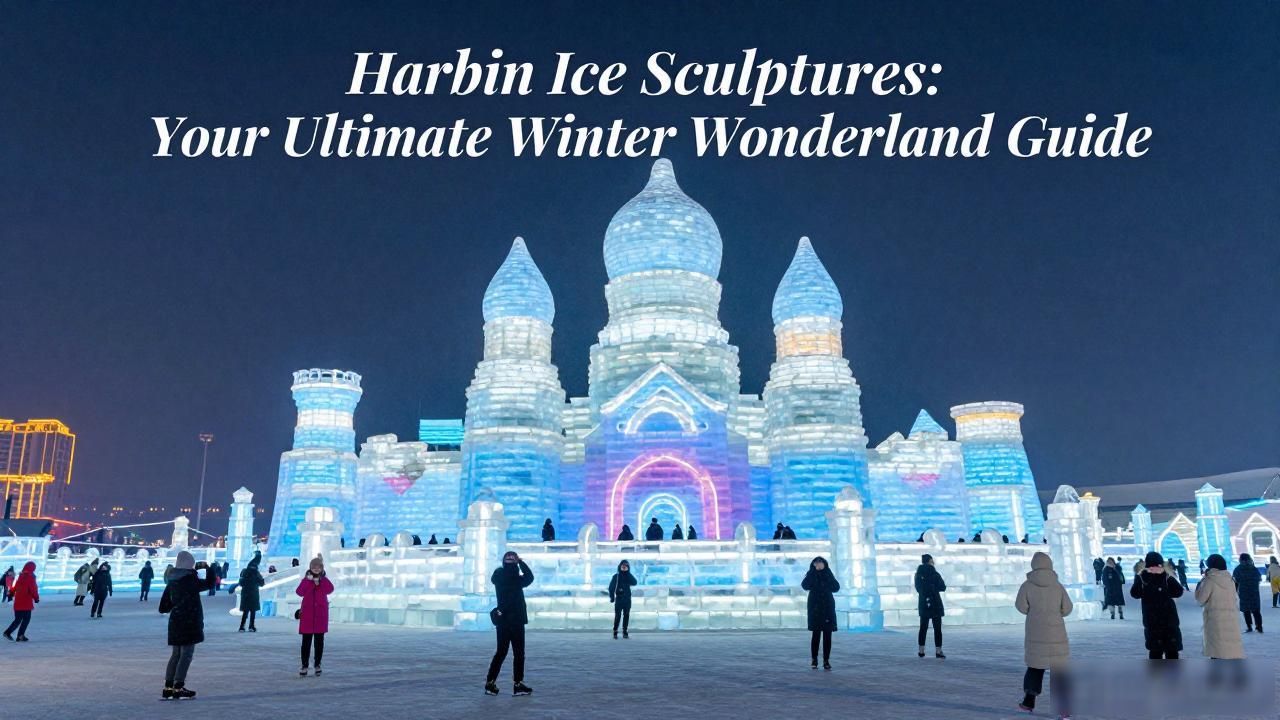
The heart of this icy carnival beats strongest at the Harbin Ice and Snow World. Here, the scale is breathtaking, with castles and pagodas rising dozens of meters into the crisp air. Visitors often find themselves dwarfed by the towering walls of clear ice, which glow with neon lights after sunset, creating a surreal, futuristic landscape. It is not just about viewing; it is about immersion. Walking through these corridors feels like stepping inside a giant, luminous jewel box. The intricate details of each sculpture, from dragons to modern landmarks, showcase the incredible skill of local artisans who work in sub-zero temperatures.
Another prime location is Sun Island, which contrasts sharply with the Ice and Snow World. While the latter focuses on vertical grandeur, Sun Island presents expansive snow sculptures that resemble rolling hills and whimsical characters. These white giants are softer in appearance, inviting families to climb and explore. The juxtaposition of the two sites provides a comprehensive experience of Harbin’s winter artistry. Travelers rarely have time to see both in a single day due to their size, yet the combination offers a complete picture of the region’s creative prowess.
What makes Harbin’s winter wonderland unique?
The uniqueness lies in the sheer volume and color of the ice used. Unlike other winter festivals that rely on natural snow, Harbin utilizes blocks harvested directly from the frozen river. These blocks are crystal clear, allowing light to pass through them entirely, which enhances the lighting displays during the evening hours. The interplay of light and ice creates a magical ambiance that cannot be replicated anywhere else. This technical aspect elevates the sculptures from simple carvings to living artworks that change appearance as the sun sets.
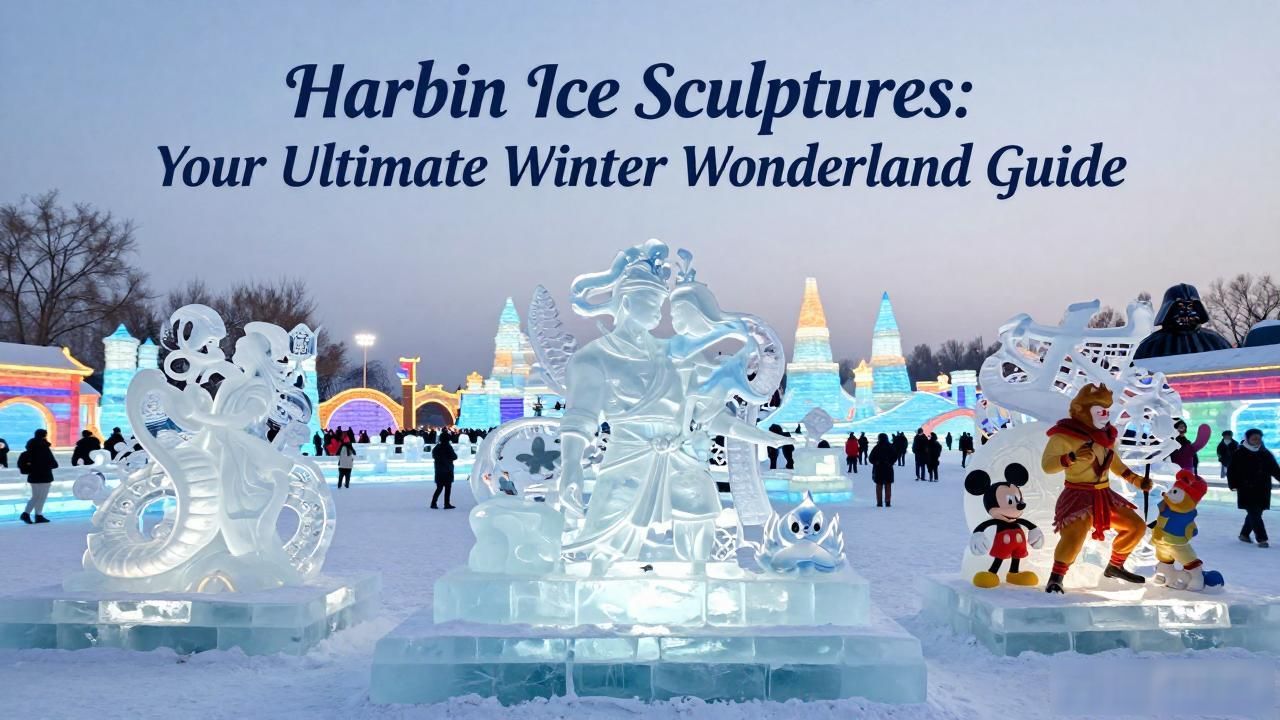
Furthermore,the cultural context adds depth to the visual experience. The festival coincides with the Chinese New Year period for many years, blending traditional winter themes with global artistic influences. One can see statues depicting local folklore alongside international icons. This fusion appeals to a diverse audience, making the event accessible to foreigners who may not understand the specific cultural nuances but can appreciate the universal language of art and craftsmanship. The cold is intense, but the energy of the crowds and the vibrancy of the lights make it feel surprisingly warm and inviting.
Honestly, the idea of walking through those illuminated ice corridors at night after the sun sets sounds like something straight out of a dream! I can totally see why people brave the freezing weather just to experience that neon-lit atmosphere in person. For anyone who has been there, how did you manage the intense cold while exploring both sites—did you find it better to split Sun Island and the main Ice and Snow World across two separate days?
ADVOGADOBANCO