
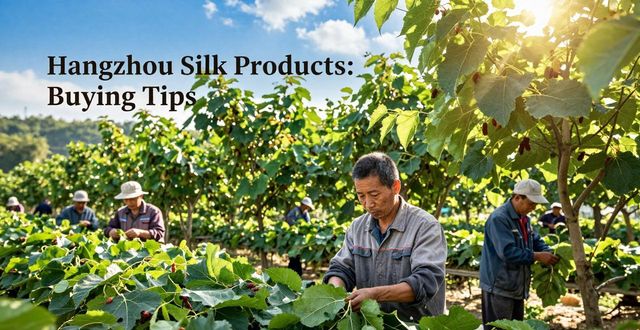
Hangzhou, the capital of Zhejiang province, has been the heart of China’s silk industry for over a thousand years. Known as the “Silk Capital,” Hangzhou produces some of the finest silk products in the world, from lustrous scarves and elegant dresses to delicate home textiles. This guide will walk you through what makes Hangzhou silk special, how to tell real from fake, where to shop, and how to care for your purchases. Whether you are a first-time buyer or a seasoned collector, understanding these basics will help you make smart choices and avoid common pitfalls.
Why Hangzhou Silk Stands Out

Hangzhou silk is famous for its exceptional quality, largely due to the region’s ideal climate for mulberry trees and silkworms. The silk produced here is often classified as “long strand” or “reeled” silk, meaning each thread comes from a single cocoon without breaks. This creates a smoother, stronger, and more uniform fabric than lower-grade alternatives. Traditional techniques like hand-reeling and natural dyeing are still practiced in workshops around Hangzhou, preserving a heritage that dates back to the Song Dynasty. When you touch genuine Hangzhou silk, you will notice a cool, soft, and almost fluid sensation – it drapes beautifully and has a natural shimmer that changes with the light.
How to Identify Real Hangzhou Silk
With many imitations on the market, knowing how to spot authentic Hangzhou silk is essential. First, check the label – real silk should say “100% mulberry silk” or “pure silk.” Second, perform the touch test: genuine silk feels warm in winter and cool in summer, and it glides smoothly against your skin. Third,try the wrinkle test – real silk wrinkles easily but also recovers quickly when gently pressed. A more reliable method is the burn test: take a few loose threads and light them. Real silk smells like burnt hair, leaves a fine, powdery ash that crumbles, and self-extinguishes. Fake silk (usually polyester) melts into a hard bead, smells like plastic, and continues to burn. Always ask the seller for a small sample if possible.
Best Places to Buy Hangzhou Silk
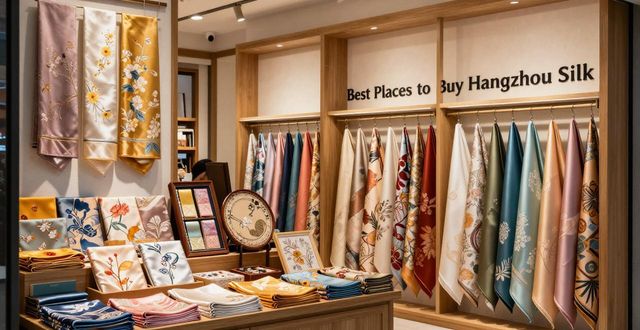
For an authentic shopping experience, head to the China National Silk Museum in Hangzhou’s Yuhuangshan area. The museum not only displays silk history but also has a reputable shop selling certified products. Another top destination is Hangzhou Silk City, a large wholesale and retail market near the railway station. Here you can find everything from raw fabric to finished garments, but bargaining is expected – start at half the asking price. For higher-end items, visit Wangxingji Silk Store on Hefang Street, a century-old brand known for its hand-embroidered scarves and quilts. Avoid street vendors offering “bargain silk”; if the price seems too low, it is likely a blend or synthetic. Always ask for a receipt and the store’s contact information.
Caring for Your Hangzhou Silk Products
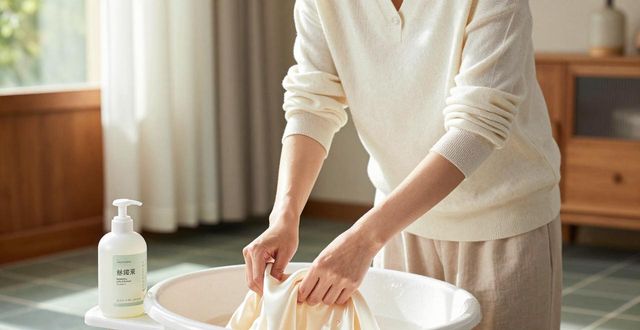
Proper care will keep your Hangzhou silk looking beautiful for decades. Always hand wash in cold or lukewarm water (below 30°C/86°F) using a mild detergent designed for silk or wool. Never use bleach, enzyme detergents, or fabric softeners, as they damage the protein fibers. Gently squeeze – never wring or twist – and rinse thoroughly. To dry, lay the item flat on a clean towel, roll up the towel to absorb excess water, then unroll and air dry away from direct sunlight. Iron on the lowest setting (usually “silk” or “synthetic”) while the fabric is still slightly damp, or use a pressing cloth. For storage, wrap silk in a breathable cotton bag; avoid plastic, which traps moisture and can cause yellowing.
Have you ever bought Hangzhou silk products, and what was your experience like? Share your tips or questions in the comments below – and if you found this guide helpful, please give it a like and share it with fellow silk lovers!