
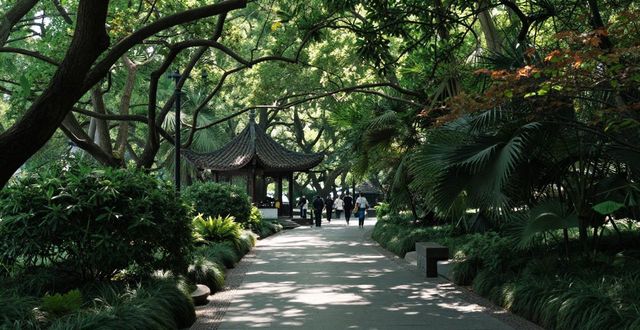
When you step into Hangzhou, the blend of mist-covered waters, forested hills and thriving plant ecosystems wraps around you well before you visit any famous sightseeing spots. This famed water town framed its reputation as a Chinese paradise mostly from its accessible walkable nature, rather than distant frozen landscapes or high mountain destinations that you need to plan weeks in advance to reach. Most first-time visitors are surprised how these natural spots weave smoothly into the city’s daily life, fitting snugly between bustling downtown districts and quiet local neighborhoods filled with tea terraces and flower patches.
Where to experience Hangzhou natural beauty

The West Lake core area preserves more than 60 kilometers of nature trails that wind around its shallows, stretching from the crowded lakeside promenade to quiet unmarked wooded lanes leading you to hidden viewing pavilions. Even on moderately busy travel weekends, if you walk 20 minutes away from the main boat dock, you will find stretches of shoreline where only a handful of local anglers or middle-aged calligraphers practicing water writing will nearby your path. You do not need booked access tickets in advance, and nearly all of the open-air nature spots offer free public entry seven days each week.
What makes Hangzhou natural beauty unique
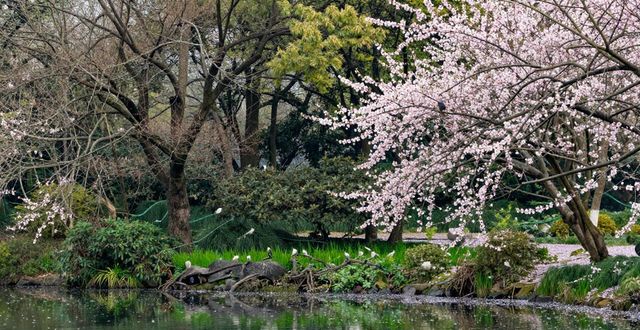
Unlike standardized urban city parks across many Asian metropolises, Hangzhou protective forest policies have let native trees, lake flora and wild bird habitats grow naturally with very little over-manicured landscaping. Throughout peak spring between late March and mid-April,wild peach blossom petals fall onto lake waters while nearby unfarmed wetland reeds move softly by the light breeze that shifts temperature gently you hardly break into heavy sweat walking through long distance loops. These nature spots did not grow they way they appear with artificially reshaped lawns over major construction work the landscapes look very similar to descriptions recorded here by Song dynasty travelers almost a thousand years ago.
When to visit Hangzhou natural beauty
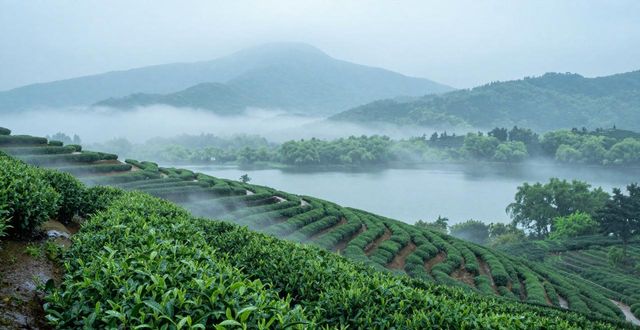
Many locals agree the best season is first two weeks after start of the summer rainy monsoon, when light thin mist hangs low across lakes surfaces green tones sharpen and faint cool steam rise down hills surrounding terraced Longjing tea gardens that visitors smell from 100meters away. Avoid the first seven days of May and first seven days of the October national public holidays of China large volumes of tourists crowd every lakeside corridor blocks most quiet nature walking experiences for several hours. Even weekdays outside these times of festivals you will more than often enough whole sections peaceful you can stop and listen birds chirp for more then 10 minutes at an uninterrupted passage.
Before you book your trip make sure save extra three extra days for slow ramble outside your arranged city sightseeing itinerary. What small unadvertised natural spots in East Asian cities make the deepest impression when you already visited ones in major Asian tourist routes?