
Guiyang often gets dismissed as a transit hub on the way to Zhangjiajie or Huangguoshu Waterfall, but spending actual time here reveals a city far more alive than its reputation suggests. Nestled in Guizhou Province, this southwestern Chinese metropolis carries centuries of Miao and Dong ethnic customs alongside its own distinct urban traditions. The locals don’t dress up for visitors — they live their culture openly on street corners, in market squares, and around steaming bowls of sour soup.
What Are the Signature Food Traditions of Guiyang?
You won’t understand Guiyang without tasting its food. Sourness defines the entire culinary philosophy here, a tradition born from the humid climate that needed a way to preserve ingredients before refrigeration existed. Sour soup rice noodles, known locally as suan tang mifen, are the dish every resident claims as their own. The broth ferments for days, developing a complex tang that foreigners sometimes find surprising but gradually grow to crave.

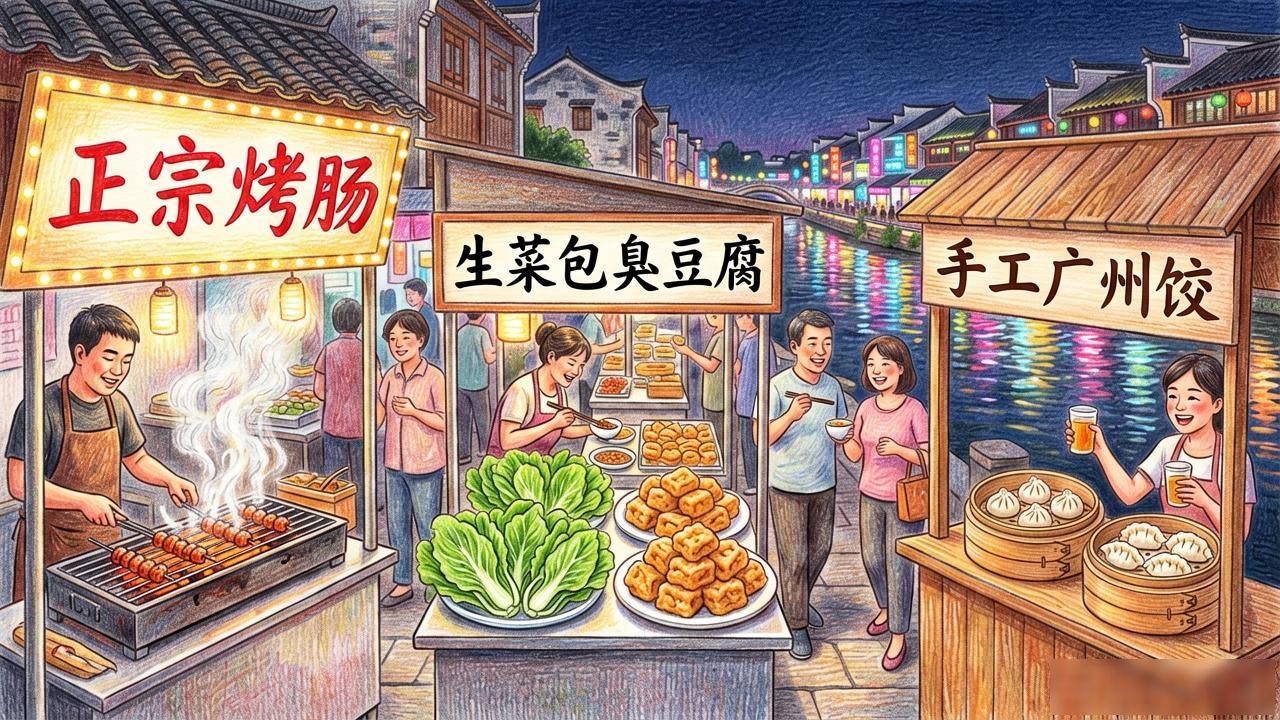
Street food culture runs deep. Head to Qingyan Old Town on any evening and you’ll find vendors selling grilled intestines on skewers, stinky tofu wrapped in lettuce with chili oil, and guang zhou dumplings cooked in bamboo steamers. The night markets around Nanming River come alive after 7 PM, and the noise — sizzling woks, shouting vendors, children running between tables — is part of the experience.
Don’t skip the breakfast scene either. Early risers gather at hole-in-the-wall shops for wang guo — wide rice noodles served in clear broth with minced pork and pickled vegetables. Locals eat standing up at counter-height tables, finishing in fifteen minutes before heading to work. It’s a quiet ritual that ties the city together every single morning.
Where Can You Experience Ethnic Festivals and Customs?
Guiyang sits at the heart of Guizhou, a province home to dozens of ethnic minority groups, and their traditions bleed into the city’s rhythms throughout the year. The Miao and Dong communities maintain festivals that draw thousands of participants, and visitors who time their visit right can witness celebrations far removed from commercialized tourist performances.
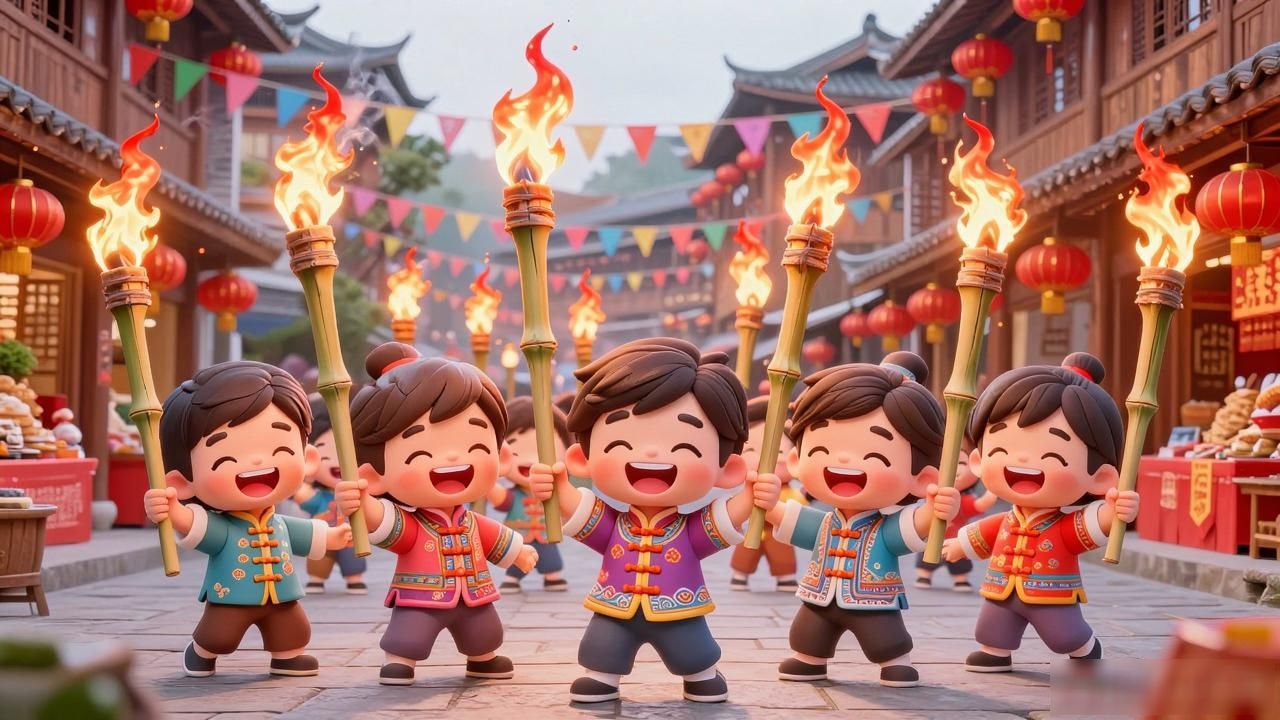
The Torch Festival, typically held in July or August depending on the lunar calendar, transforms neighborhoods across the city. Residents light bamboo torches and parade through streets, a tradition meant to ward off evil spirits and bless the coming harvest. In nearby Qingyan District, you’ll find elderly residents performing traditional folk dances that have been passed down through generations, completely unfazed by cameras pointed at them.
During Miao New Year, which usually falls around late autumn, the city’s Dong and Miao communities organize lusheng (bamboo pipe instrument) concerts and drum dancing in public squares. These events are free, open to everyone, and deeply participatory — locals will literally pull strangers into dance circles without hesitation.
What Everyday Customs Should Visitors Observe?
Guizhou hot spring culture deserves special mention. Beyond being famous for natural thermal pools, the practice of visiting public bathhouses functions as social infrastructure. You’ll see business people holding meetings in saunas, elderly residents spending hours soaking and chatting, and young couples enjoying quiet date nights in private hot spring rooms. Visiting one of the city’s traditional bathhouses offers a window into how locals actually relax after long workdays.
Teahouse culture persists in older neighborhoods despite the spread of bubble tea chains. In districts like Nanan and Wudang,you’ll find multi-generational families gathering in dimly lit rooms to drink cha pai — strong roasted tea served in small thimble-sized cups. The etiquette involves tapping your fingers on the table when someone refills your cup, a subtle gesture of gratitude most visitors miss entirely.
Local dialect, a distinct Guizhou variant of Mandarin, carries melodic patterns quite different from standard Chinese. While most younger residents speak fluent standard Mandarin, listening to older shopkeepers negotiate prices or tell stories reveals a musicality that English speakers often compare to singing. Learning even basic greeting phrases in this dialect earns genuine warmth from locals.
Guiyang rewards the curious traveler who steps beyond hotel corridors and guidebook recommendations. The traditions here aren’t packaged for consumption — they’re lived daily by millions of people who simply share their city with whoever shows up with respect and an open appetite.